The rupture between Donald Trump and Giorgia Meloni marks more than a fleeting diplomatic quarrel; it signals a deeper reordering of transatlantic political loyalties at a moment of unusual strain. Once regarded as one of Trump’s most dependable partners in Europe, Meloni has now publicly rebuked him—an extraordinary shift shaped as much by domestic pressures as by moral positioning.
At the center of the dispute stands Pope Leo XIV, whose calls for peace during escalating tensions in the Middle East placed him at odds with Trump’s rhetoric. When the American president criticized the pontiff in stark terms, Meloni responded cautiously at first, then with unmistakable clarity: Trump’s remarks, she said, were “unacceptable.”
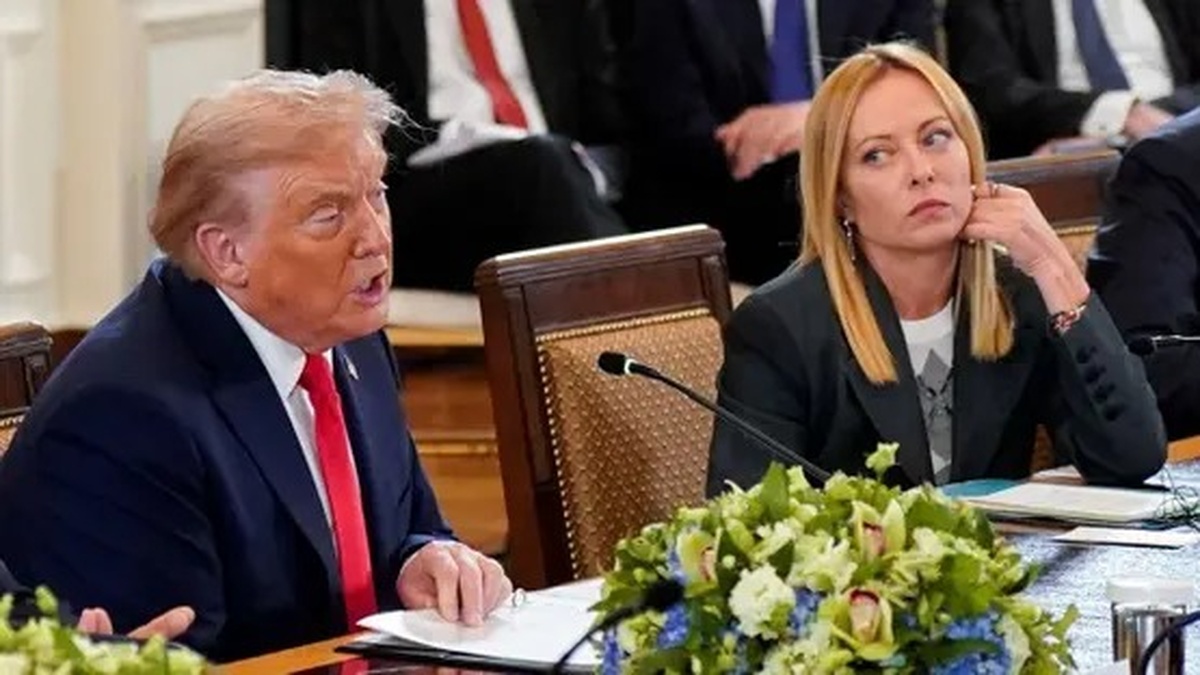
Such language is rare in diplomatic exchanges, particularly between leaders who had, until recently, emphasized ideological alignment. Meloni was the only European head of government to attend Trump’s 2025 inauguration, and as recently as March, Trump had described her as “a great leader.” The speed of the reversal underscores the fragility of alliances built on personal affinity rather than institutional grounding.
Trump’s response was swift and characteristically combative. In remarks to the Italian press, he accused Meloni of failing to support American strategic interests, particularly regarding Iran and energy security. He turned her criticism back on her, declaring that she herself was “unacceptable”—a rhetorical escalation that effectively severed any remaining pretense of partnership.
Yet the more revealing dynamics lie within Italy itself. Public opinion has shifted sharply: a significant majority of Italians now view Trump unfavorably, and Meloni’s association with him has become politically costly. Her recent referendum defeat on judicial reform, widely interpreted as a setback for her government, has intensified scrutiny of her international alignments.
Italy’s economic vulnerabilities amplify these pressures. Heavily dependent on imported energy, the country has been acutely affected by rising prices linked to geopolitical instability. Trump’s calls for European nations to take a more active role in securing critical shipping routes, including the Strait of Hormuz, resonate poorly with voters already burdened by inflation and wary of military entanglement.

In this context, Meloni’s defense of the pope appears less as a sudden moral awakening than as a calculated political necessity. Pope Leo XIV commands broad respect across Italy, a predominantly Catholic nation where religious authority still carries cultural weight. By aligning herself with the pontiff’s message of peace, Meloni positioned her government closer to public sentiment—and further from Washington.
The timing of these developments is also significant. Across Europe, leaders associated with Trump have faced mounting challenges. Viktor Orbán, long seen as a fellow traveler in nationalist politics, recently lost power, removing a key pillar of Trump’s informal European network. Meanwhile, other conservative figures have grown more cautious, emphasizing institutional alliances over personal ties.
This pattern reflects a broader recalibration within Europe. While formal commitments to NATO and transatlantic cooperation remain intact, there is increasing reluctance to align too closely with the unpredictable dynamics of Trump’s leadership style. His tendency to frame alliances in transactional terms—rewarding loyalty and punishing dissent—has introduced volatility into relationships that traditionally relied on stability and mutual respect.
For European politicians, the calculus is becoming clearer. Domestic electorates, not foreign leaders, determine political survival. When alignment with Washington carries electoral risks, distance becomes not only prudent but necessary. Meloni’s shift, therefore, may prove less an exception than a preview of what lies ahead.
The symbolic dimension of this episode should not be overlooked. By forcing a choice—implicitly or explicitly—between himself and Pope Leo XIV, Trump entered terrain where political influence yields to moral authority. In much of Europe, particularly in Catholic-majority countries, that is a contest he is unlikely to win.
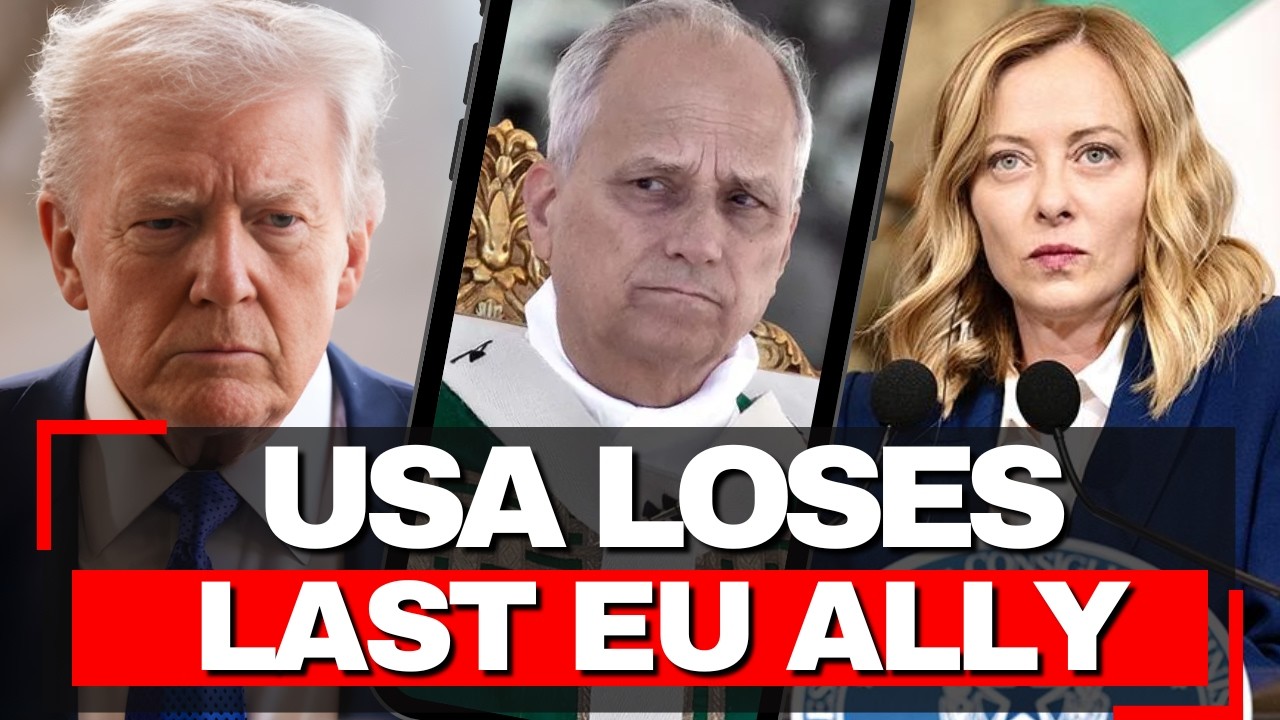
What emerges from this episode is not merely the loss of a single ally but the erosion of an entire approach to international partnership. Trump’s model, predicated on personal loyalty and immediate reciprocity, struggles in environments where political legitimacy depends on broader consensus and institutional continuity.
Meloni’s break, then, is both a personal and structural turning point. It reflects the limits of affinity-based diplomacy in a complex, interdependent world—and the enduring primacy of domestic accountability in democratic systems.
Whether Trump can rebuild bridges in Europe remains uncertain. What is clear, however, is that the terms of engagement have shifted. Allies are watching, voters are निर्णing, and the space for unilateral demands is narrowing.
In that sense, the episode offers a concise lesson in modern geopolitics: power may command attention, but legitimacy sustains alliances.






