Labour Faces Fresh Brexit Tensions as Andy Burnham Emerges at Centre of Makerfield Contest
The political temperature inside the Labour Party has risen sharply following renewed debate over Brexit, party leadership, and the increasingly high-profile Makerfield by-election. What initially appeared to be a routine local contest is now being treated by commentators and party insiders as a potential referendum on the future direction of Labour under Prime Minister Keir Starmer.
The discussion intensified after political broadcaster Patrick Christys described the Makerfield race as “the most important by-election in British history,” arguing that the result could have consequences far beyond a single parliamentary seat. The constituency, where a majority of voters backed Brexit in 2016, has become a symbolic battleground over Labour’s position on Europe and its relationship with working-class voters in northern England.
At the centre of the debate is Andy Burnham, whose previous comments supporting closer ties with the European Union have resurfaced during the campaign. Burnham, long associated with the Labour Party’s soft pro-European wing, has faced growing scrutiny over whether he represents a broader ideological shift within Labour.
Good evening Brexit has once again become a defining issue in British politics, despite repeated assurances from senior ministers that the matter had been settled after the referendum and subsequent withdrawal process. Critics now argue that Labour’s language surrounding a “Brexit reset” has reopened divisions many believed were politically dormant.
The Makerfield contest has also highlighted the rise of Nigel Farage’s Reform UK movement in traditionally Labour-held areas. Reform candidate Robert Kenyon, described as a British Army veteran and former NHS worker turned plumber, has attracted considerable attention after strong performances in recent local elections. His supporters argue that Labour has lost touch with communities that once formed the backbone of the party’s electoral coalition.
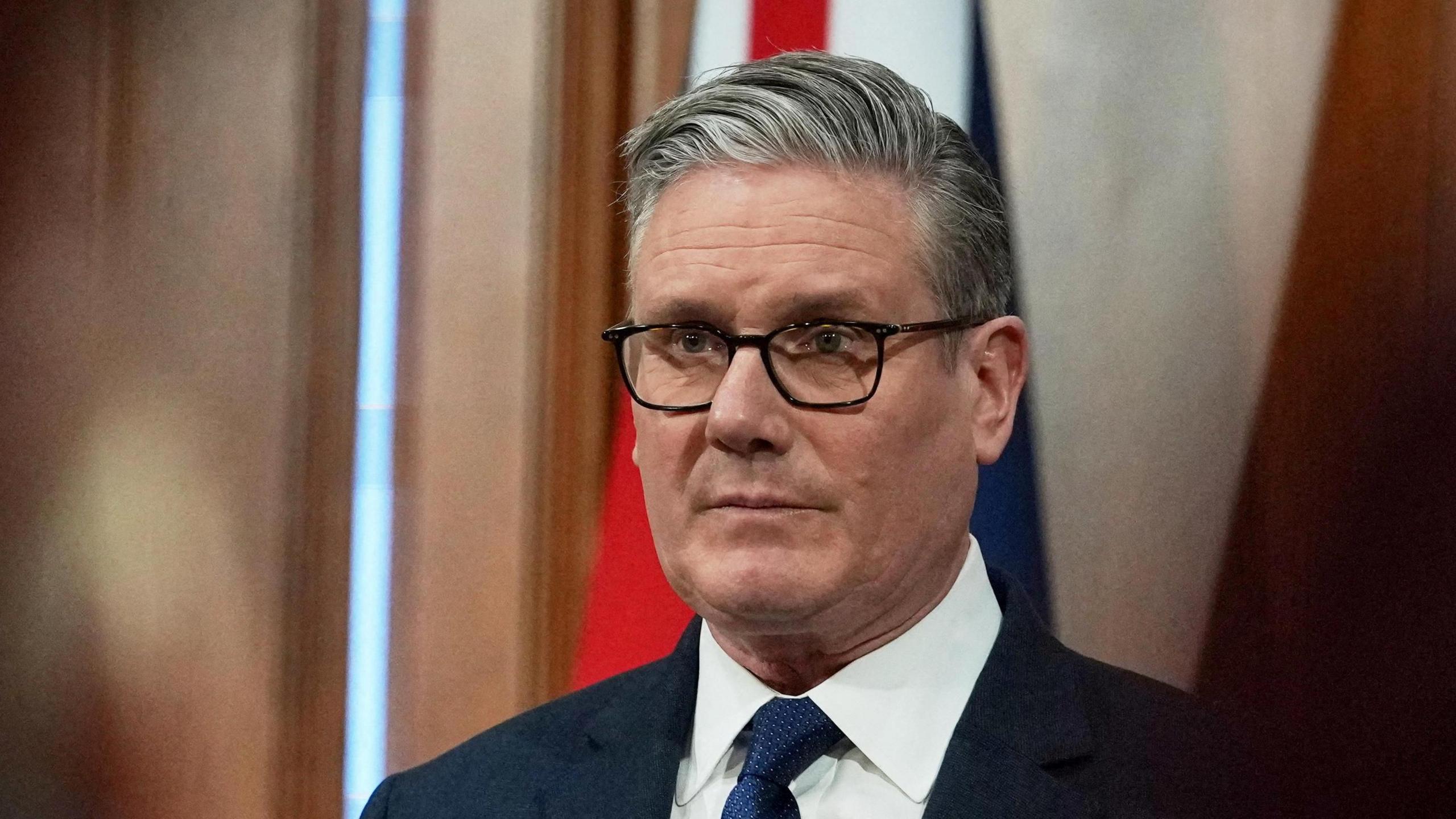
Kenyon reportedly secured significant local support in previous contests and has since been elected as a local councillor, defeating Labour rivals in the area. Analysts believe that Reform UK’s growing momentum in northern constituencies may present one of the most serious electoral threats Labour has faced outside Conservative competition in recent decades.
Complicating matters further is the refusal of smaller parties to step aside in Makerfield. The Green Party is expected to contest the seat, while the emerging Restore Britain movement has reportedly selected local businesswoman Rebecca Shepard as its candidate. The crowded political field risks fragmenting anti-Reform votes while simultaneously exposing fractures inside Labour itself.
Despite mounting speculation that pressure was building internally for leadership changes, Starmer publicly rejected suggestions that he could step down if Labour underperformed. Speaking to reporters, the prime minister insisted the by-election represented an important contest between Labour and Reform UK and stated he would support the eventual Labour candidate “100%.”
Starmer also called for unity within Labour, urging members to put aside disagreements over the party’s ideological direction during the campaign. His comments appeared designed to calm growing rumours of factional tensions involving senior Labour figures with differing views on Europe, taxation, and electoral strategy.
However, the Brexit issue quickly returned to the forefront after remarks by senior Labour figures, including Wes Streeting, were interpreted by critics as signalling openness to renewed European integration. Streeting’s comments reportedly revived concerns among Leave-supporting voters that parts of Labour’s leadership remain fundamentally aligned with reversing aspects of Brexit over the long term.
Burnham’s own historical statements have further fuelled the controversy. In previous interviews, he openly stated that he hoped to see Britain rejoin the European Union during his lifetime. While supporters argue such comments merely reflected personal political beliefs, opponents claim they reveal Labour’s long-term ambitions despite public assurances to the contrary.
Facing growing pressure, Burnham later clarified that he was not proposing immediate efforts for Britain to rejoin the European Union. He stated that while he believed Brexit had caused economic damage, reopening the referendum debate would undermine democratic trust. Burnham emphasized that he respected the outcome of the 2016 vote and did not support rerunning those arguments at present.
Even so, commentators across conservative and Reform-aligned media outlets accused him of political inconsistency. Critics argued that his earlier remarks reflected his genuine position, while his more recent comments were crafted specifically to avoid alienating pro-Brexit voters in Makerfield and surrounding constituencies.
The debate has exposed broader questions surrounding Labour’s electoral strategy under Starmer. Several panelists and commentators suggested that Labour’s metropolitan leadership risks appearing disconnected from northern communities that voted heavily for Brexit and later shifted away from the party in successive elections.
Political commentator Jake Berry argued during the discussion that Labour lacked any democratic mandate to pursue renewed EU integration. He claimed that if Labour leaders wished to fundamentally alter Britain’s post-Brexit relationship with Europe, they should first seek explicit approval through a future general election manifesto rather than gradual policy adjustments.
Long-term political tensions surrounding Brexit remain deeply embedded in British politics, despite efforts from both major parties to move the national conversation toward economic growth, immigration control, and public services. For many Leave voters, concerns persist that Westminster elites never fully accepted the referendum outcome.
Some commentators also rejected claims that Britain’s post-Brexit difficulties were caused solely by leaving the European Union. They pointed instead to domestic policy failures, particularly on immigration and economic management, arguing that successive governments had mismanaged opportunities created by Brexit rather than Brexit itself being inherently flawed.
Criticism of Burnham extended beyond European policy. Former ministers and political analysts revisited his earlier record in government, including controversies during his tenure as Health Secretary. Opponents argued that Labour MPs romanticising Burnham as a potential successor to Starmer were overlooking past policy failures and ideological divisions that could resurface under his leadership.
As the Makerfield campaign continues, the constituency is increasingly being viewed as a test of Labour’s ability to maintain unity while balancing competing voter blocs. On one side are traditional working-class Brexit supporters demanding clarity on sovereignty and immigration; on the other are urban progressive voters seeking closer European cooperation and economic integration.
For Starmer, the stakes are especially high. The prime minister already faces pressure following difficult local election results and criticism over Labour’s policy direction. A poor performance in Makerfield would likely intensify speculation over leadership succession and embolden internal critics who believe Labour requires a sharper ideological identity.
The outcome of the by-election may ultimately say less about one individual candidate and more about the unresolved identity crisis within modern Labour politics. Questions over Brexit, national identity, economic priorities, and political trust continue to shape Britain’s post-referendum landscape in ways neither major party has fully resolved.
Whether Makerfield becomes merely another difficult by-election or the beginning of a larger political realignment remains uncertain. What is already clear, however, is that Brexit continues to exert a powerful influence over British political debate nearly a decade after the referendum itself — and Labour’s struggle to navigate that legacy is far from over.






