Labour Faces Fresh Scrutiny After Commons Debate on Halal and Kosher Meat Labelling
Westminster was expected to focus heavily on another Treasury statement concerning council tax pressures, yet a separate development inside the House of Commons quickly drew political attention. During a relatively quiet parliamentary session, Conservative MP Esther McVey introduced a Ten Minute Rule Bill calling for compulsory labelling of halal and kosher meat products where animals had not been stunned before slaughter. Although the proposal received limited immediate media coverage, the debate rapidly became a point of wider political discussion.
The bill itself was narrow in scope. Rather than proposing restrictions on religious slaughter practices, McVey argued that consumers should simply be informed when meat products originated from animals slaughtered without stunning. According to her remarks in the Commons, the measure aimed to provide transparency for shoppers rather than prohibit halal or kosher products from sale in Britain.
What shocked Westminster was not solely the content of the proposal, but the reaction from Labour MPs during the debate. McVey presented government statistics and referenced previous consultations suggesting overwhelming public support for clearer food labelling. Yet despite Labour’s commanding Commons majority, ministers did not aggressively oppose the motion during its first reading, allowing the bill to proceed without a formal division.
McVey cited figures connected to a 2022 government consultation on animal welfare labelling, claiming that 99 per cent of respondents supported clearer identification of meat from non-stunned slaughter. She also referred to industry research suggesting that many halal consumers themselves favoured transparent certification standards so shoppers could make informed purchasing decisions.
The Conservative MP further argued that large supermarket chains and food outlets had, over many years, sold halal or kosher meat products without always clearly informing consumers. Retailers mentioned during the speech included Tesco, Sainsbury’s, Marks & Spencer, Asda, Domino’s, Pizza Hut and KFC. McVey contended that the absence of visible labelling had gradually allowed non-stunned meat products to enter the broader food supply chain beyond strictly religious markets.
According to parliamentary claims, concerns extended beyond supermarkets. During the debate, references were made to local councils, schools, hospitals and public-sector catering services allegedly using non-stunned meat products without specific disclosure to parents, patients or consumers. Critics argued that this raised wider ethical questions about transparency and informed choice in publicly funded institutions.
A major focus of the speech centred on economics rather than religion. McVey claimed that bypassing the stunning process reduced costs for suppliers, encouraging wider commercial distribution of such meat products. She argued that a regulatory exemption originally intended to accommodate religious communities had increasingly become integrated into mainstream food production for financial reasons.
The debate also revisited statistics concerning the scale of halal meat production in Britain. McVey stated that government data indicated approximately 214 million animals were slaughtered for halal meat production in 2024 across England and Wales. Critics of the current framework argued this figure appeared significantly larger than the proportion of the population requiring religious slaughter products, raising questions about whether the exemption was operating beyond its original purpose.
Another politically sensitive issue emerged when McVey criticised Labour’s broader animal welfare strategy published in late 2025. She noted that the government’s lengthy policy document included proposals on lobster boiling, pig stunning methods and fish welfare, yet made no direct reference to labelling requirements for halal or kosher meat products. Opponents argued that such an omission appeared increasingly difficult to justify given the scale of public debate surrounding the subject.
The absence of clear government engagement on the issue became one of the most discussed aspects of the Commons exchange. Rather than mounting a detailed defence of current policy, Labour ministers largely maintained a restrained position during the debate. That silence itself became politically significant, particularly as opposition figures framed the issue as one of transparency rather than religious freedom.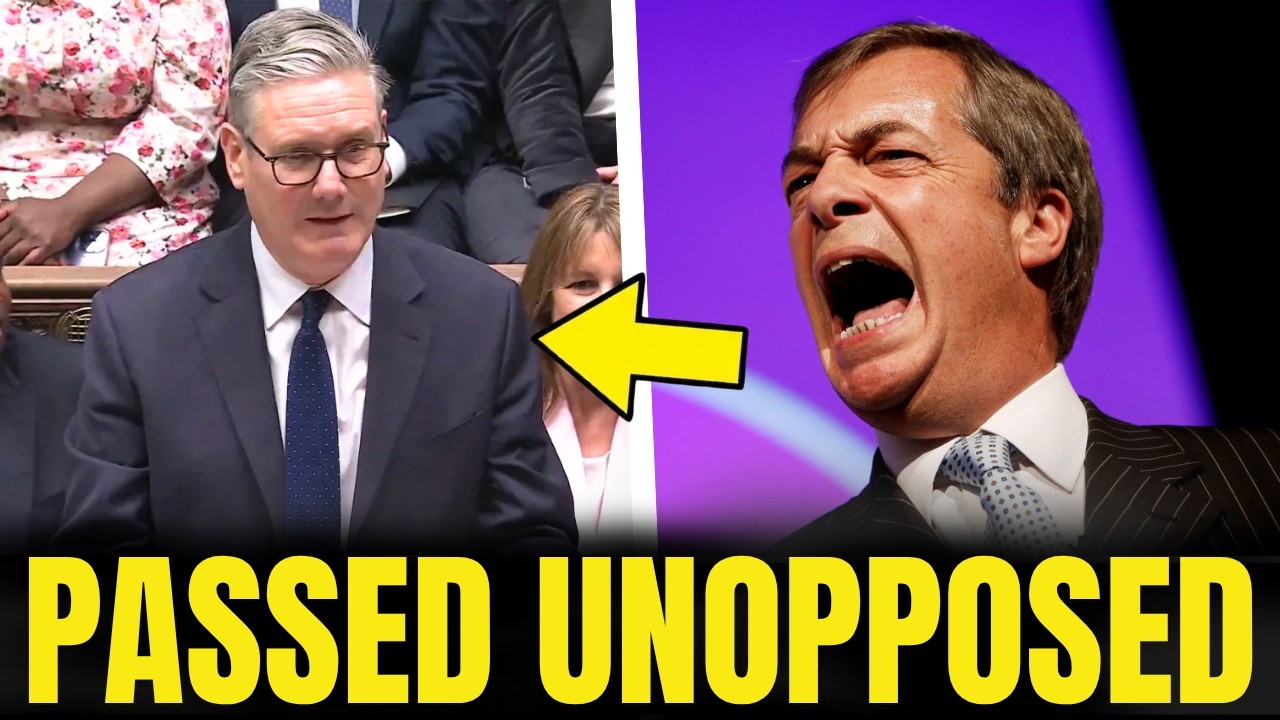
Cross-party comments added further complexity to the discussion. Labour MP Yasmin Qureshi had previously indicated support for meat labelling transparency during earlier parliamentary debates, while Liberal Democrat representatives also expressed concerns regarding non-stunned slaughter practices. As a result, support for labelling measures could not easily be dismissed as belonging exclusively to one political faction.
The broader political backdrop intensified attention on the debate. Polling trends throughout late 2025 and early 2026 suggested increasing fragmentation across British politics, with parties including Reform UK attempting to capitalise on contentious cultural and institutional issues. In that environment, Labour appeared cautious about engaging in debates that risked alienating different parts of its electoral coalition.
The Commons atmosphere itself became a central feature of media coverage afterwards. As the Deputy Speaker put the question to the chamber, supporters of the bill responded audibly, while opposition voices were comparatively muted. The absence of a strong organised challenge from government benches was widely interpreted by commentators as evidence of Labour’s discomfort over the issue.
McVey’s coalition of supporters also attracted notice because it crossed traditional political lines. Backers included senior Conservatives, representatives from Reform UK, DUP figures and independent MPs. The unusual alliance reflected how debates concerning national identity, religious accommodation and consumer transparency increasingly cut across conventional party divisions.
At the centre of the argument lies Britain’s long-standing legal exemption for religious slaughter. Current regulations trace back to legislation introduced decades ago, originally designed to accommodate relatively small Jewish and Muslim populations in Britain. Critics now argue that demographic and commercial changes have transformed the scale of the exemption far beyond what lawmakers historically envisaged.
Defenders of existing arrangements, however, maintain that Britain must continue balancing animal welfare standards with religious liberty protections. Government departments have repeatedly stated that current rules seek to preserve that balance while respecting both faith communities and consumer interests. Ministers have also indicated that broader consultations on food labelling remain under consideration.
Critics of Labour’s approach nevertheless argue that repeated delays in responding to consultations have fuelled suspicion that ministers wish to avoid confronting the issue directly. By the time McVey introduced her bill, earlier government promises to revisit animal welfare labelling policies had already faced months of postponement.
The debate has also exposed deeper tensions inside British politics regarding how sensitive cultural questions should be addressed publicly. Some MPs argue that transparency measures strengthen public trust without undermining religious freedom. Others fear that such debates risk inflaming social division or unfairly targeting minority communities despite assurances that the proposals are purely consumer-focused.
Media coverage following the Commons exchange reflected those competing interpretations. Conservative-leaning outlets framed the moment as evidence of government weakness and avoidance, while other commentators warned against sensationalising a highly sensitive subject involving religion, food standards and multicultural Britain.
For Labour ministers now, the challenge may be less about the specific bill itself and more about the political symbolism surrounding it. A government with a large parliamentary majority appeared reluctant to take a firm public stance during a debate that combined animal welfare concerns, consumer rights and broader questions of cultural accommodation.
Whether McVey’s proposal ultimately progresses into law remains uncertain. However, the Commons debate has already ensured that questions surrounding halal and kosher meat labelling, religious exemptions and consumer transparency will remain politically contentious issues. For now, the matter continues to provoke strong reactions across Westminster while exposing divisions that neither side appears fully prepared to settle.






