LABOUR GOVERNMENT FACES SCRUTINY OVER PROPOSED ISLAMOPHOBIA DEFINITION: MUSLIM MP DEMANDS SANCTIONS FOR CRITICISM IN PARLIAMENT
A Parliamentary Debate That Has Sparked National Attention
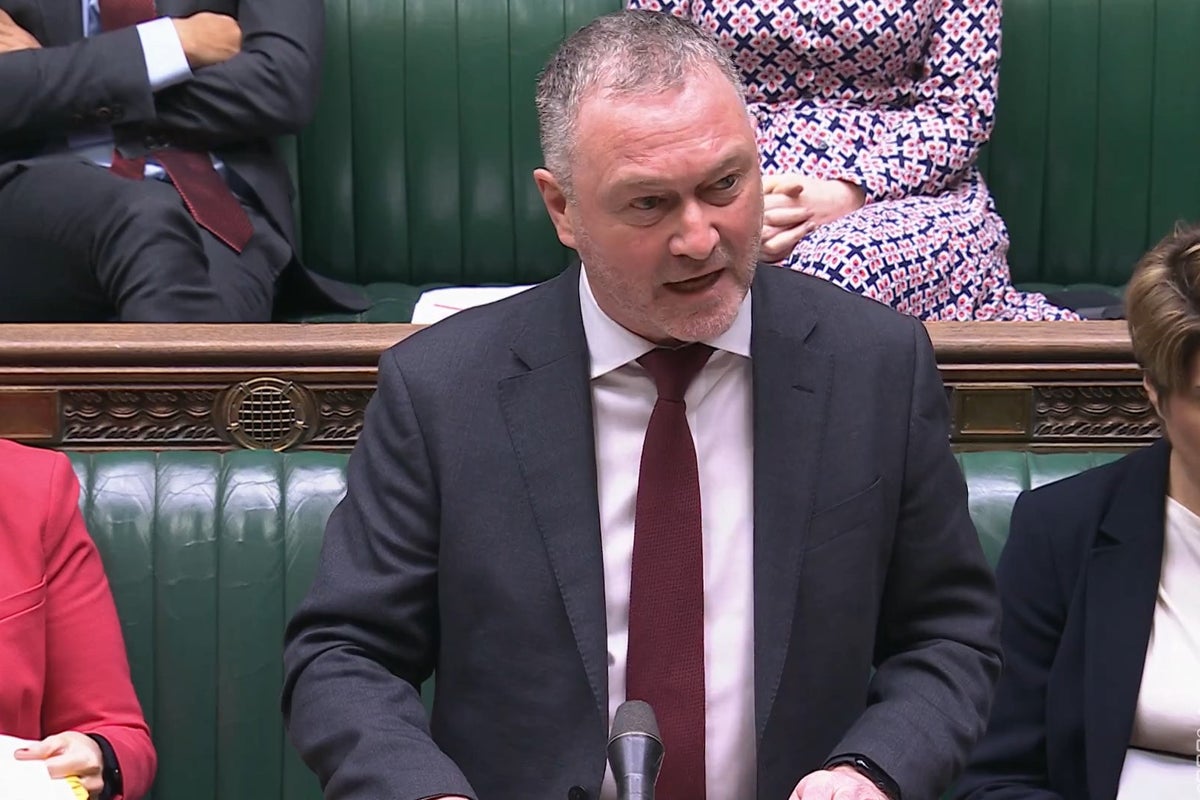
A heated debate inside the UK Parliament has placed the Labour government under intense scrutiny following proposals to introduce a formal definition of Islamophobia across public institutions. The issue escalated after a Muslim Member of Parliament raised questions during a parliamentary session about whether the proposed definition would also lead to sanctions for MPs who make remarks perceived as critical of Islam within the House of Commons or the House of Lords.
The exchange, which took place during a parliamentary discussion on discrimination and public safety, has quickly drawn attention from political observers, journalists, and policy experts. At the centre of the controversy is the government’s plan to establish a clearer framework addressing anti-Muslim hostility in Britain, a move officials argue is necessary due to rising incidents targeting Muslim communities.
However, critics warn that the proposal could have wider implications for political debate, parliamentary speech, and the boundaries between combating discrimination and preserving open discussion in a democratic system.
Muslim MP Raises Questions About Enforcement in Parliament
During the parliamentary session, the Muslim MP highlighted what he described as increasing levels of Islamophobic incidents across the United Kingdom. According to data referenced in the discussion, thousands of cases of anti-Muslim hostility are reported annually, with many incidents believed to go unreported.
The MP argued that discrimination against Muslims has increasingly become normalised in public discourse, including across social media, traditional media platforms, and sometimes even within political debates. He asked government officials how the new definition would be integrated into parliamentary standards and whether sanctions would apply to members of Parliament who breach those guidelines.
Specifically, he raised questions about how the definition might align with the Nolan Principles, the ethical standards governing conduct for public office holders in the United Kingdom. These principles emphasise integrity, accountability, and transparency in public service.
His remarks triggered immediate reaction across Westminster, with several MPs and political commentators questioning whether such enforcement measures could affect parliamentary freedom of speech.
Government Response and Institutional Authority
Responding to the questions, a government minister acknowledged the seriousness of rising hostility toward Muslim communities but clarified that disciplinary matters concerning members of Parliament would ultimately fall under the authority of parliamentary institutions themselves.
Officials stressed that existing frameworks already exist to address discrimination and abusive conduct, but they maintained that further measures may be necessary to ensure stronger protection against hate-driven behaviour.
Government representatives also pointed out that many hate crimes remain underreported, suggesting that official statistics may not fully capture the scale of the problem. As a result, ministers argue that clearer definitions and monitoring mechanisms could help law enforcement agencies and public institutions better identify and respond to incidents targeting minority communities.
Nevertheless, the debate has raised complex questions about how such a definition might interact with Britain’s long-standing traditions of open political debate.
Critics Warn of Impact on Public Discussion
Outside Parliament, critics from across the political spectrum have voiced concern about the potential consequences of implementing an official Islamophobia definition within public institutions.
Some commentators argue that while discrimination must be addressed, legislation or regulatory frameworks that are too broad could unintentionally restrict legitimate discussions about sensitive topics such as immigration policy, extremism, or cultural integration.
Political figures and analysts have also noted that similar debates have emerged in other Western democracies, where governments have struggled to balance efforts to combat hate speech with the protection of free expression.
Several policy experts have suggested that the real challenge lies in ensuring that any new framework clearly distinguishes between targeted hostility toward individuals and critical debate surrounding political, cultural, or religious ideas.
Wider Debate on Migration, Social Cohesion, and Security
The parliamentary exchange comes at a time when Britain is already engaged in an intense national conversation about immigration levels, social cohesion, and public safety.
Recent policy papers discussing migration pressures and community integration have acknowledged that rapid demographic changes have placed strain on housing, public services, and local infrastructure in certain regions of the country. These reports also highlight concerns about communities living increasingly segregated social lives, which some analysts believe can deepen cultural misunderstandings and tensions.
At the same time, security agencies continue to monitor threats linked to extremist networks, with officials emphasising the importance of maintaining vigilance against radicalisation while also protecting civil liberties.
The proposed Islamophobia definition has therefore entered an already complex policy environment, where debates about migration, integration, and national identity remain politically sensitive.
Political Implications for the Labour Government
For the Labour government, the controversy arrives at a delicate political moment. Party leaders have repeatedly emphasised their commitment to tackling hate crime and protecting minority communities from discrimination.
However, they now face growing pressure from critics who argue that the government must also safeguard democratic debate and avoid measures that could be perceived as limiting discussion inside Parliament.
Insiders familiar with internal discussions say the issue is already generating debate within political circles, as policymakers attempt to determine how any definition might be implemented without undermining parliamentary independence.
As discussions continue, the debate surrounding the proposed Islamophobia definition is expected to remain a major topic within Westminster and across the broader UK political landscape. The outcome could influence not only how discrimination is addressed in Britain but also how democratic institutions navigate the increasingly complex intersection between free speech, public safety, and social cohesion.






