Labour mounts strong criticism of Government’s Budget as political debate intensifies
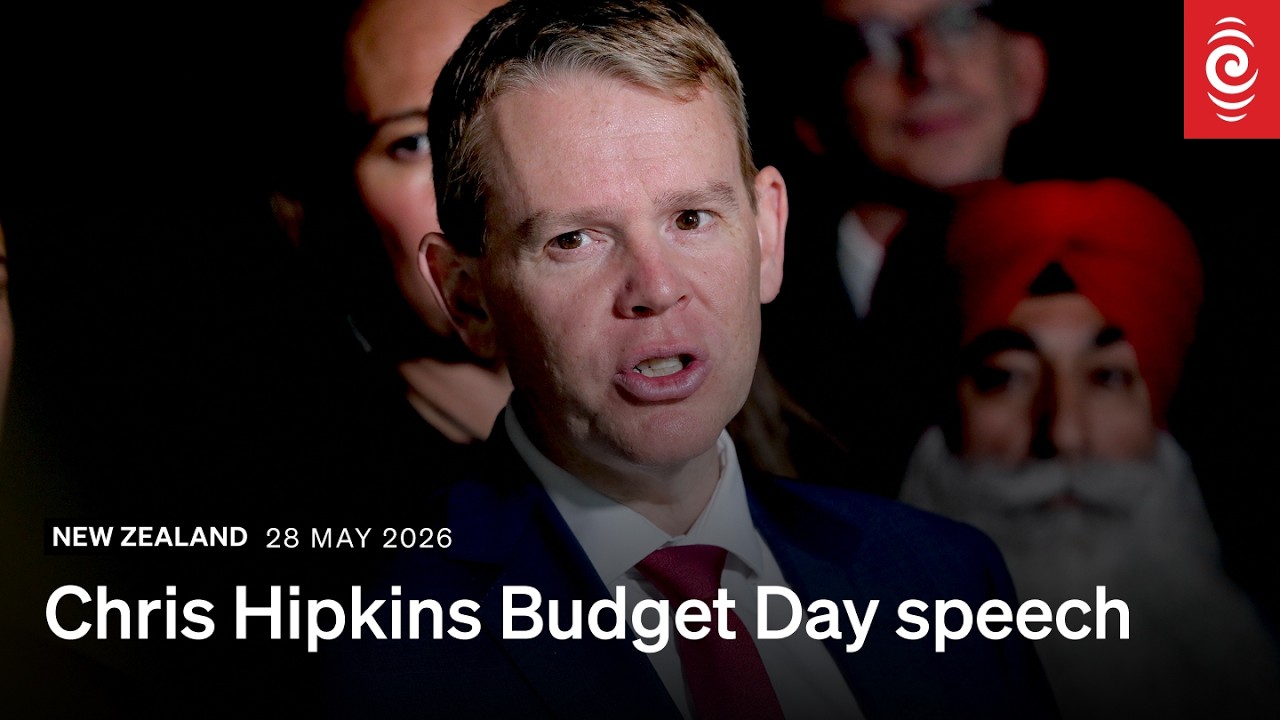
The Labour Party has launched a comprehensive and increasingly forceful critique of the Government’s latest Budget, arguing that the package falls short of addressing many of the most pressing challenges facing New Zealand households, public services, and major sectors of the economy. The criticism has intensified political debate both inside and outside Parliament, with opposition MPs questioning whether the Government’s spending priorities align with the needs of ordinary New Zealanders during a period of ongoing economic uncertainty.
Labour leader Chris Hipkins said the Budget raises significant concerns about the adequacy of investment in critical areas such as healthcare, housing, education, and support for families struggling with rising living costs. According to Labour, many communities across the country continue to face growing pressures from high housing expenses, increasing household bills, and stretched public services. Opposition MPs argued that while the Government has presented the Budget as balanced and responsible, some of the announced measures may provide only limited immediate relief for people dealing with financial hardship.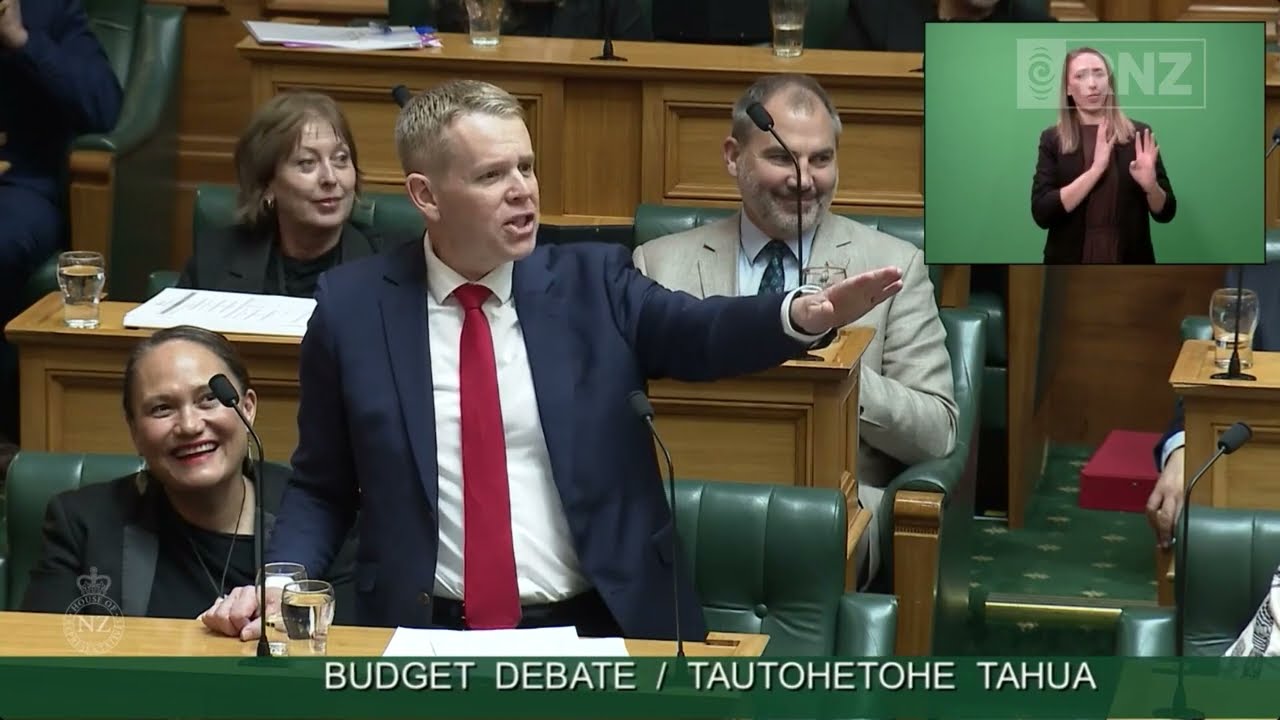
Labour representatives also questioned whether the Government has done enough to address long-term structural issues affecting the economy. They argued that stronger public investment could help improve infrastructure, strengthen public services, and support economic growth in a way that benefits a broader range of New Zealanders. Several opposition MPs suggested that without additional spending in key sectors, existing challenges in healthcare access, educational outcomes, and housing affordability could persist or even worsen in the years ahead.
The Government, led by Prime Minister Christopher Luxon, firmly rejected those criticisms and defended the Budget as a fiscally responsible package designed to support economic stability while continuing targeted investment in priority areas. Government ministers argued that difficult spending decisions are necessary in order to balance public expectations with the realities of the country’s financial position. They maintained that the Budget seeks to promote sustainable growth while avoiding excessive borrowing and protecting the long-term health of public finances.
Finance Minister Nicola Willis said the Government’s approach is focused on encouraging economic growth, maintaining responsible spending practices, and improving outcomes in essential services. She argued that careful management of public finances is necessary to ensure that future governments are not burdened by unsustainable levels of debt.
Government MPs emphasized that while demands for additional spending are understandable, every Budget requires difficult trade-offs, and resources must be allocated in a way that delivers the greatest long-term benefit.
Supporters of the Government argued that fiscal discipline is particularly important during a period of global economic uncertainty. They said that maintaining confidence among businesses, investors, and international markets can help support job creation and economic resilience. Government representatives also pointed to targeted investments included in the Budget as evidence that key services remain a priority despite broader efforts to control expenditure.


Political analysts noted that Budget debates often become defining moments in parliamentary politics because they provide voters with a clear comparison between competing visions for the country’s economic future.
The latest debate has highlighted fundamental differences between the Government and the Opposition regarding the role of public spending, economic management, and the balance between fiscal restraint and social investment.
Supporters of the Budget described it as disciplined, pragmatic, and focused on long-term sustainability. Critics, however, argued that some of the country’s most urgent challenges require a more ambitious response. They contended that stronger government investment could help accelerate improvements in public services, infrastructure, and social outcomes, particularly for vulnerable communities.
Outside Parliament, reactions from business groups and industry representatives were mixed. Some organizations welcomed the Government’s emphasis on fiscal stability, policy certainty, and responsible financial management. Business leaders who supported the Budget argued that predictable economic conditions can encourage investment and provide confidence for companies planning future expansion.
At the same time, other industry groups called for additional measures to boost productivity, improve infrastructure, and address workforce shortages affecting several sectors of the economy. Some business representatives expressed concern that insufficient investment in transport, housing, and skills development could limit future economic growth.
Others argued that stronger partnerships between government and industry will be necessary to address long-term challenges and improve New Zealand’s competitiveness.
Public reaction was similarly divided, reflecting the diverse priorities and concerns of voters across the country. While some New Zealanders welcomed the Government’s focus on controlling spending and maintaining fiscal discipline, others expressed disappointment that more substantial support was not provided in areas such as healthcare, housing affordability, and cost-of-living relief.
Public discussions across communities and media platforms suggested that many voters will be closely watching how the Budget’s measures are implemented and whether they deliver tangible benefits over time.
The political significance of the Budget is likely to extend well beyond the immediate parliamentary debate. Both the Government and the Opposition are seeking to convince voters that their respective approaches offer the most effective path forward during a period marked by economic challenges and uncertainty.
As scrutiny of the Budget continues in Parliament, analysts expect debates over spending priorities, economic growth, public services, and fiscal responsibility to remain central themes in New Zealand politics.
Ultimately, the success or failure of the Budget may depend not only on the policies announced but also on their real-world impact on households, businesses, and communities. With economic conditions remaining a key concern for many New Zealanders, the effectiveness of the Government’s measures will likely remain under close examination in the months ahead, shaping both public opinion and the broader political landscape as the country looks toward future elections.






