Labour reaffirms support for New Zealand’s nuclear-free policy amid political debate
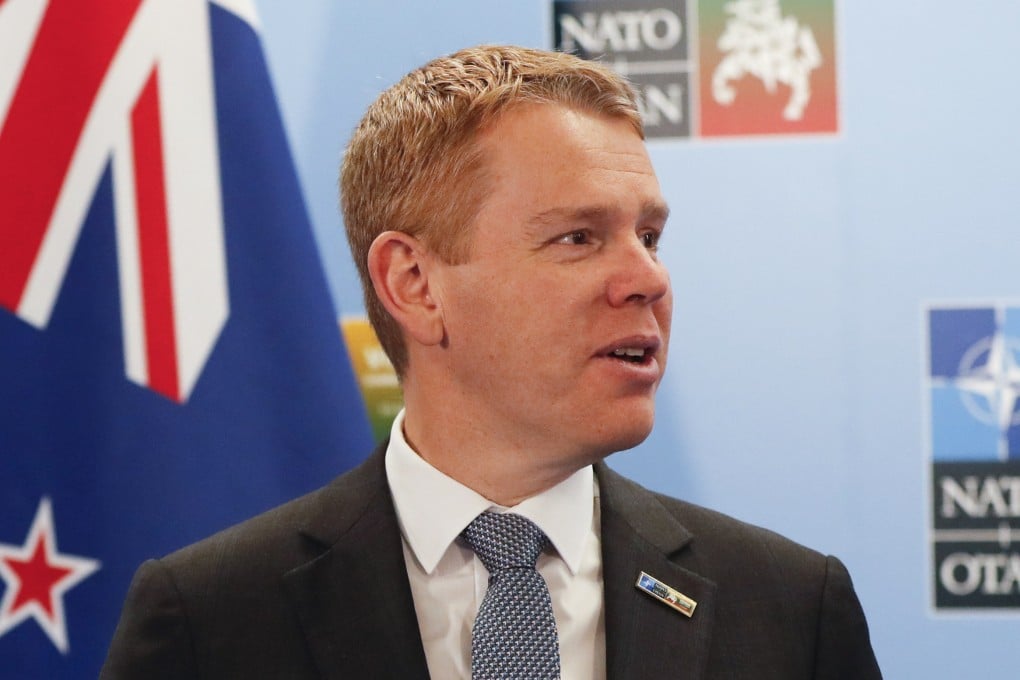
Opposition leader Chris Hipkins says Labour remains firmly committed to New Zealand’s long-standing nuclear-free policy following renewed political discussion about defence cooperation, foreign policy priorities, and regional security issues. Hipkins stated that the nuclear-free position continues to hold broad public support and remains an important part of New Zealand’s international identity.
The comments come amid wider debate regarding defence partnerships and strategic relationships in the Asia-Pacific region. Labour representatives argued that any suggestion of movement away from New Zealand’s nuclear-free stance would likely attract strong public scrutiny and political attention across Parliament and wider society.


Prime Minister Christopher Luxon and coalition ministers have repeatedly stated that the Government remains committed to New Zealand’s nuclear-free legislation. Ministers argue that recent defence and foreign policy discussions have focused on broader security cooperation rather than any proposal to alter the country’s existing nuclear-free framework.
Political analysts note that nuclear-free policy continues to hold symbolic and political importance in New Zealand decades after the legislation was introduced. Analysts say the issue often reflects broader debates about national identity, foreign policy independence, and the country’s role within international security relationships.
Labour said New Zealand’s nuclear-free position has historically attracted bipartisan support and remains one of the country’s most recognisable foreign policy principles internationally. Hipkins argued that maintaining clarity on the issue is important for public confidence and diplomatic consistency.
The Government rejected suggestions that its approach to international security discussions conflicts with New Zealand’s nuclear-free commitments. Coalition representatives said New Zealand can maintain strong defence partnerships while continuing to uphold existing legislation and long-established policy principles.
Foreign policy experts note that many democratic countries are reassessing defence and security priorities in response to changing geopolitical conditions. However, analysts say New Zealand’s nuclear-free position remains deeply embedded within the country’s political culture and legal framework.
Debate over defence policy has also drawn attention to questions regarding military capability, regional security cooperation, and international alliances. Some commentators argue that strategic tensions in the region are increasing pressure on governments to strengthen security planning and defence preparedness.
Labour representatives said stronger international cooperation does not require abandoning New Zealand’s independent foreign policy traditions. Hipkins argued that the country can continue engaging constructively with international partners while preserving its established nuclear-free stance.
The Government maintains that no policy change regarding nuclear-free legislation is under consideration. Ministers said public discussion should distinguish between broader defence cooperation and New Zealand’s legally defined nuclear-free position, which remains unchanged under the coalition Government.
Political commentators observe that foreign policy disputes often become politically significant because they involve questions of sovereignty, identity, and national values rather than only technical policy details. Analysts say symbolic issues can therefore attract substantial public interest even when bipartisan agreement exists on core legislation.
Media coverage has focused on comments from both Government and Opposition figures regarding defence priorities and international relationships. Journalists continue examining how New Zealand balances strategic partnerships with its independent foreign policy traditions amid changing regional dynamics.
Public reaction has generally reflected continued support for the nuclear-free framework, although views differ regarding how New Zealand should approach regional security cooperation and defence investment. Polling and historical political trends suggest the policy remains broadly popular among voters.
Business and trade groups have largely focused on maintaining stable international relationships and economic confidence while avoiding unnecessary geopolitical tension. Industry representatives continue emphasising the importance of constructive diplomacy alongside national security considerations.
Questions remain regarding whether defence and foreign policy issues will become more prominent during the next election campaign. Political analysts suggest affordability and economic concerns are still likely to dominate most voter priorities, although international security issues may influence broader perceptions of leadership.
The Government continues arguing that its foreign policy approach balances independent decision-making with practical engagement alongside international partners. Ministers say New Zealand remains committed to protecting national interests while maintaining strong diplomatic and economic relationships globally.
Labour indicated it would continue scrutinising Government messaging on foreign policy and defence cooperation to ensure consistency with longstanding national principles. Hipkins argued that clarity and transparency are particularly important when discussing issues connected to New Zealand’s international reputation.
Political scientists note that nuclear-free policy has become one of the most enduring areas of consensus within New Zealand politics. While disagreements may arise regarding defence strategy and diplomatic positioning, major political parties generally continue supporting the underlying legislative framework.
For Luxon and the coalition, the challenge is maintaining confidence that New Zealand’s international engagement remains consistent with established national principles. For Hipkins, the debate provides an opportunity to reinforce Labour’s support for policies closely associated with New Zealand’s modern political identity.
Ultimately, the latest political exchange highlights the continuing significance of nuclear-free policy within New Zealand’s public and political culture. As international security discussions evolve, both Government and Opposition appear likely to continue emphasising their commitment to preserving the country’s longstanding nuclear-free position.






