Labour signals further policy announcements as election preparations continue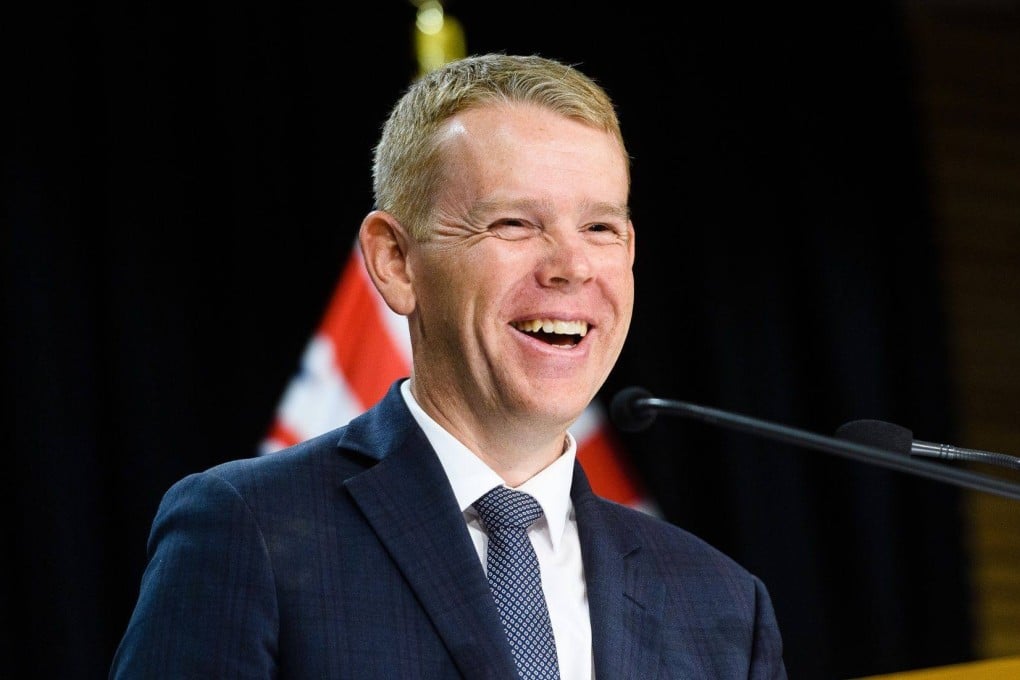
Labour leader Chris Hipkins has indicated that the party will continue developing and releasing policy proposals as preparations for the next election gather pace. As political parties refine their strategies and priorities, attention is increasingly turning to the policies they intend to present to voters in the lead-up to the campaign period.
Labour has spent much of its time in opposition focusing on issues including affordability, healthcare, housing, education, and public services. Hipkins has argued that many New Zealanders continue facing challenges related to living costs and access to essential services. The party says its policy programme will be designed to address those concerns while outlining its vision for the country’s future.


Political analysts note that opposition parties often use the period before an election to introduce new policies, test public reaction, and sharpen distinctions with the Government. Labour’s approach is expected to focus on areas where it believes voters remain concerned about current conditions and future opportunities. Specific proposals may continue emerging over an extended period rather than being released simultaneously.
The Government has argued that opposition parties should present detailed and fully costed alternatives when proposing policy changes. Prime Minister Christopher Luxon and coalition ministers maintain that voters deserve clear information about how competing proposals would be funded and implemented. Government representatives frequently emphasise fiscal discipline and economic sustainability when responding to opposition proposals.
Affordability is expected to remain one of Labour’s central themes. The party has repeatedly argued that many households continue experiencing pressure from housing costs, food prices, insurance expenses, and other household bills. Labour believes policy responses in these areas will be important to many voters. The Government responds that broader economic improvements and responsible financial management remain the most effective long-term solutions.
Healthcare is also likely to remain a significant area of policy focus. Labour has criticised aspects of the Government’s approach and argues that additional measures may be required to address workforce shortages and service pressures. Government ministers point to ongoing investments and reforms aimed at improving outcomes. Health sector organisations continue providing varied feedback regarding priorities and implementation challenges.
Housing affordability remains another issue receiving considerable attention. Labour has argued that access to affordable housing continues to be a challenge for many New Zealanders. The Government maintains that planning reforms, infrastructure investment, and broader economic stability will support improvements over time. Analysts note that housing policy is likely to remain an important area of debate throughout the election cycle.
Political commentators suggest that opposition parties face a dual challenge when preparing for elections. They must continue scrutinising government performance while simultaneously presenting credible alternative policies. Labour’s success may depend on its ability to convince voters that its proposals are both practical and achievable. Analysts note that detailed implementation plans often become increasingly important as elections approach.
Economic management will remain a key area of political competition. Labour is expected to outline how its policy priorities would be funded and implemented. The Government argues that maintaining economic stability and controlling public expenditure remain essential. Differences regarding spending priorities and fiscal strategy are likely to become more prominent as campaign preparations continue.
Public opinion polling has suggested that New Zealand’s political environment remains competitive. Analysts caution that polls can fluctuate and should be viewed alongside broader trends rather than in isolation. Nevertheless, parties often use polling data to help assess which issues resonate most strongly with voters and where additional policy development may be required.
Business groups and industry organisations are likely to examine any future policy announcements closely. Many stakeholders place significant emphasis on economic certainty, infrastructure investment, workforce development, and regulatory stability. Their responses may influence public debate regarding the practicality and potential impact of proposed measures.
Political scientists note that election campaigns are often shaped by a relatively small number of major issues. Affordability, healthcare, housing, education, and economic growth are frequently identified as topics likely to influence voter decisions. Parties therefore devote significant attention to developing messages and policies in these areas.
The Government continues highlighting its own policy agenda while challenging opposition proposals. Ministers argue that reforms currently underway require time to produce results and should be evaluated according to long-term outcomes. Coalition representatives maintain that continuity and stability are important considerations for voters assessing competing political platforms.
Media coverage of policy development is expected to intensify as the election draws closer. Journalists will continue examining the details, costs, and likely effects of proposals from all major parties. Analysts note that scrutiny typically increases as parties move from broad principles to specific commitments.
Questions remain regarding which policy areas will ultimately dominate the election campaign. Economic conditions, public service performance, international developments, and unforeseen events all have the potential to influence political priorities. Consequently, parties often retain flexibility while refining their election strategies.
For Labour, presenting a coherent and persuasive policy programme will be essential to convincing voters that it offers a credible alternative government. For National and its coalition partners, the challenge is defending their record while persuading voters that current policies should continue. Both sides are preparing for an increasingly competitive political contest.
Observers note that voter expectations remain high across a range of issues. Many New Zealanders continue seeking improvements in affordability, healthcare access, housing availability, educational outcomes, and economic opportunity. Political parties are therefore under pressure to demonstrate how their policies would address these concerns.
As preparations continue, both Government and Opposition are expected to increase engagement with communities, stakeholders, and voters. Policy announcements, public meetings, and parliamentary debates will likely play important roles in shaping perceptions ahead of the election. The effectiveness of these efforts may influence political momentum.
Ultimately, Labour’s ongoing policy development reflects the normal process of election preparation undertaken by major political parties. While the content and impact of future announcements remain to be seen, they are likely to contribute significantly to public debate regarding New Zealand’s future direction and political priorities.
Labour leader Chris Hipkins has indicated that the party will continue developing and releasing policy proposals as preparations for the next election gather pace. As political parties refine their strategies and priorities, attention is increasingly turning to the policies they intend to present to voters in the lead-up to the campaign period.
Labour has spent much of its time in opposition focusing on issues including affordability, healthcare, housing, education, and public services. Hipkins has argued that many New Zealanders continue facing challenges related to living costs and access to essential services. The party says its policy programme will be designed to address those concerns while outlining its vision for the country’s future.
Political analysts note that opposition parties often use the period before an election to introduce new policies, test public reaction, and sharpen distinctions with the Government. Labour’s approach is expected to focus on areas where it believes voters remain concerned about current conditions and future opportunities. Specific proposals may continue emerging over an extended period rather than being released simultaneously.
The Government has argued that opposition parties should present detailed and fully costed alternatives when proposing policy changes. Prime Minister Christopher Luxon and coalition ministers maintain that voters deserve clear information about how competing proposals would be funded and implemented. Government representatives frequently emphasise fiscal discipline and economic sustainability when responding to opposition proposals.
Affordability is expected to remain one of Labour’s central themes. The party has repeatedly argued that many households continue experiencing pressure from housing costs, food prices, insurance expenses, and other household bills. Labour believes policy responses in these areas will be important to many voters. The Government responds that broader economic improvements and responsible financial management remain the most effective long-term solutions.
Healthcare is also likely to remain a significant area of policy focus. Labour has criticised aspects of the Government’s approach and argues that additional measures may be required to address workforce shortages and service pressures. Government ministers point to ongoing investments and reforms aimed at improving outcomes. Health sector organisations continue providing varied feedback regarding priorities and implementation challenges.
Housing affordability remains another issue receiving considerable attention. Labour has argued that access to affordable housing continues to be a challenge for many New Zealanders. The Government maintains that planning reforms, infrastructure investment, and broader economic stability will support improvements over time. Analysts note that housing policy is likely to remain an important area of debate throughout the election cycle.
Political commentators suggest that opposition parties face a dual challenge when preparing for elections. They must continue scrutinising government performance while simultaneously presenting credible alternative policies. Labour’s success may depend on its ability to convince voters that its proposals are both practical and achievable. Analysts note that detailed implementation plans often become increasingly important as elections approach.
Economic management will remain a key area of political competition. Labour is expected to outline how its policy priorities would be funded and implemented. The Government argues that maintaining economic stability and controlling public expenditure remain essential. Differences regarding spending priorities and fiscal strategy are likely to become more prominent as campaign preparations continue.
Public opinion polling has suggested that New Zealand’s political environment remains competitive. Analysts caution that polls can fluctuate and should be viewed alongside broader trends rather than in isolation. Nevertheless, parties often use polling data to help assess which issues resonate most strongly with voters and where additional policy development may be required.
Business groups and industry organisations are likely to examine any future policy announcements closely. Many stakeholders place significant emphasis on economic certainty, infrastructure investment, workforce development, and regulatory stability. Their responses may influence public debate regarding the practicality and potential impact of proposed measures.
Political scientists note that election campaigns are often shaped by a relatively small number of major issues. Affordability, healthcare, housing, education, and economic growth are frequently identified as topics likely to influence voter decisions. Parties therefore devote significant attention to developing messages and policies in these areas.
The Government continues highlighting its own policy agenda while challenging opposition proposals. Ministers argue that reforms currently underway require time to produce results and should be evaluated according to long-term outcomes. Coalition representatives maintain that continuity and stability are important considerations for voters assessing competing political platforms.
Media coverage of policy development is expected to intensify as the election draws closer. Journalists will continue examining the details, costs, and likely effects of proposals from all major parties. Analysts note that scrutiny typically increases as parties move from broad principles to specific commitments.
Questions remain regarding which policy areas will ultimately dominate the election campaign. Economic conditions, public service performance, international developments, and unforeseen events all have the potential to influence political priorities. Consequently, parties often retain flexibility while refining their election strategies.
For Labour, presenting a coherent and persuasive policy programme will be essential to convincing voters that it offers a credible alternative government. For National and its coalition partners, the challenge is defending their record while persuading voters that current policies should continue. Both sides are preparing for an increasingly competitive political contest.
Observers note that voter expectations remain high across a range of issues. Many New Zealanders continue seeking improvements in affordability, healthcare access, housing availability, educational outcomes, and economic opportunity. Political parties are therefore under pressure to demonstrate how their policies would address these concerns.
As preparations continue, both Government and Opposition are expected to increase engagement with communities, stakeholders, and voters. Policy announcements, public meetings, and parliamentary debates will likely play important roles in shaping perceptions ahead of the election. The effectiveness of these efforts may influence political momentum.
Ultimately, Labour’s ongoing policy development reflects the normal process of election preparation undertaken by major political parties. While the content and impact of future announcements remain to be seen, they are likely to contribute significantly to public debate regarding New Zealand’s future direction and political priorities.






