Liberals Out Of Excuses After Poverty Reports Released & Carney Hides From Recession Questions
OTTAWA — Four days after Statistics Canada confirmed the country had entered a recession, Prime Minister Mark Carney has yet to address the development publicly or in Parliament.
Canada is now the only Group of Seven nation in recession, a distinction that has fueled sharp criticism of the Liberal government’s economic management.
Opposition Pressure Mounts
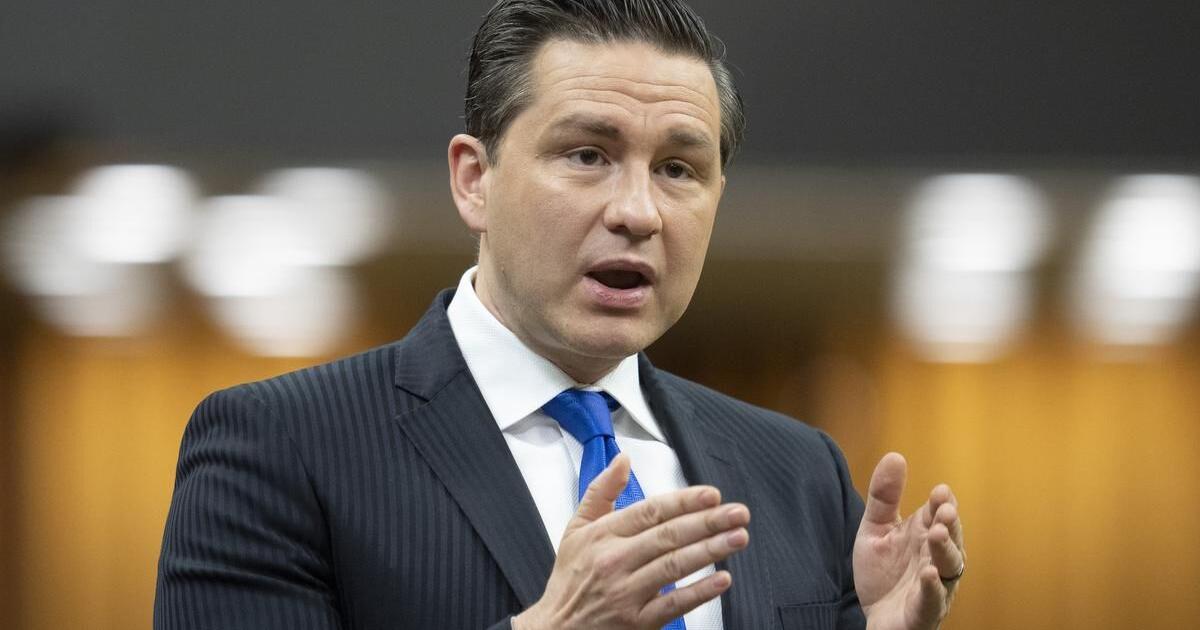
In the House of Commons, Conservative Leader Pierre Poilievre repeatedly pressed the government on why Canada alone among G7 countries slipped into recession despite global tariff pressures affecting all members.
Mr. Poilievre noted that Japan, the United States, Britain, France, Germany and Italy are not in recession. He questioned the government’s handling of trade relations with the United States and broader economic policy under Mr. Carney.
Government Defense
Liberal ministers responded by highlighting integration with the American economy and ongoing trade tensions. They pointed to new mining projects, pipeline developments and shipbuilding contracts as evidence of long-term investment in Canadian industry.
One minister urged the opposition to focus on building the country rather than criticizing it.
Carney’s Absence
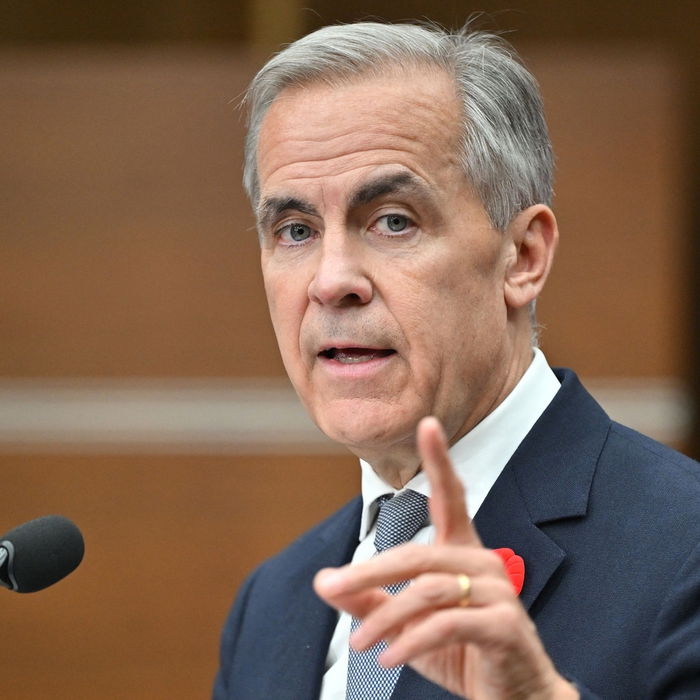
Mr. Carney, a former Bank of Canada and Bank of England governor who campaigned on his economic expertise, has not answered questions about the recession. Critics say his silence is notable given his central role in the government.
The prime minister had previously described Canada’s trade deal with the United States as the best in the world and said it was being improved.
Poverty Report Highlights Strain
A separate report from Campaign 2000 on child and family poverty painted a concerning picture. Child poverty rose for the third consecutive year, with nearly 30,000 additional children falling below the poverty line.
Using Canada’s official measure, 10.7 percent of children — about 820,000 — live in poverty. Broader measures put the figure near 1.4 million. Food insecurity has also worsened, affecting 2.5 million children.
Declining Affordability
The report noted that families with children are living on average more than $15,000 below the poverty line. Government supports like the Canada Child Benefit have helped but are losing impact amid rising housing and food costs.
Food Bank Canada issued a failing grade on food insecurity trends, noting severe cases have doubled since 2019.
Economic Indicators Worsen
Recent data shows Canada has lost 46,000 jobs since Mr. Carney took office, including 112,000 in the last three months. Unemployment stands as the second highest in the G7.
The economy has contracted in three of the last four quarters. Net investment outflows have reached more than $20 billion, with five straight quarters of decline. Mortgage delinquencies are at a 17-year high.
Past Warnings Resurface
Critics have recalled warnings from Desiree Fixler, a former insider in global financial circles who once worked with Mr. Carney’s associates. She predicted that Mr. Carney’s leadership would shrink the economy and worsen affordability.
Ms. Fixler cited concerns over policy direction, including climate initiatives and central bank approaches, arguing they could reduce productivity and innovation.
Carney’s Campaign Promises
During the election, Mr. Carney positioned himself as the leader needed for a time of crisis. He emphasized his central banking experience as a strength for navigating economic challenges.
Opponents now argue the recession represents a failure to deliver on those promises, especially given Canada’s unique vulnerabilities.
Trade War Context
The government attributes much of the pressure to U.S. tariffs and trade disputes. Ministers maintain that Canada is responding by expanding resource development and critical minerals production.
However, the opposition insists that stronger negotiations with Washington could have mitigated the impact, noting that Mexico, which shares a similar level of integration with the U.S., is not in recession.
Public Perception
Canadians are feeling the strain through higher costs, job losses and financial insecurity. Many families report difficulty covering basic needs despite government messaging about improving affordability.
Mr. Carney’s earlier claim that affordability was the best it had been in over a decade has drawn particular scrutiny.
Political Fallout
The combination of recession data and rising poverty figures has left the Liberals defending their record on multiple fronts. Mr. Carney’s decision to avoid direct questions has intensified calls for accountability.
Broader Implications
Economists say prolonged recession could further damage consumer confidence and investment. The government’s focus on long-term projects may eventually yield results, but short-term pain is evident.
Looking Ahead
As Parliament continues to debate economic policy, the coming weeks will test whether the government can present a credible plan to exit recession and address poverty trends.
For now, the absence of direct answers from the prime minister has become a central point of contention in Canadian politics.






