Canada’s Leverage Rises as U.S. Strategy Falters in a Shifting Global Order
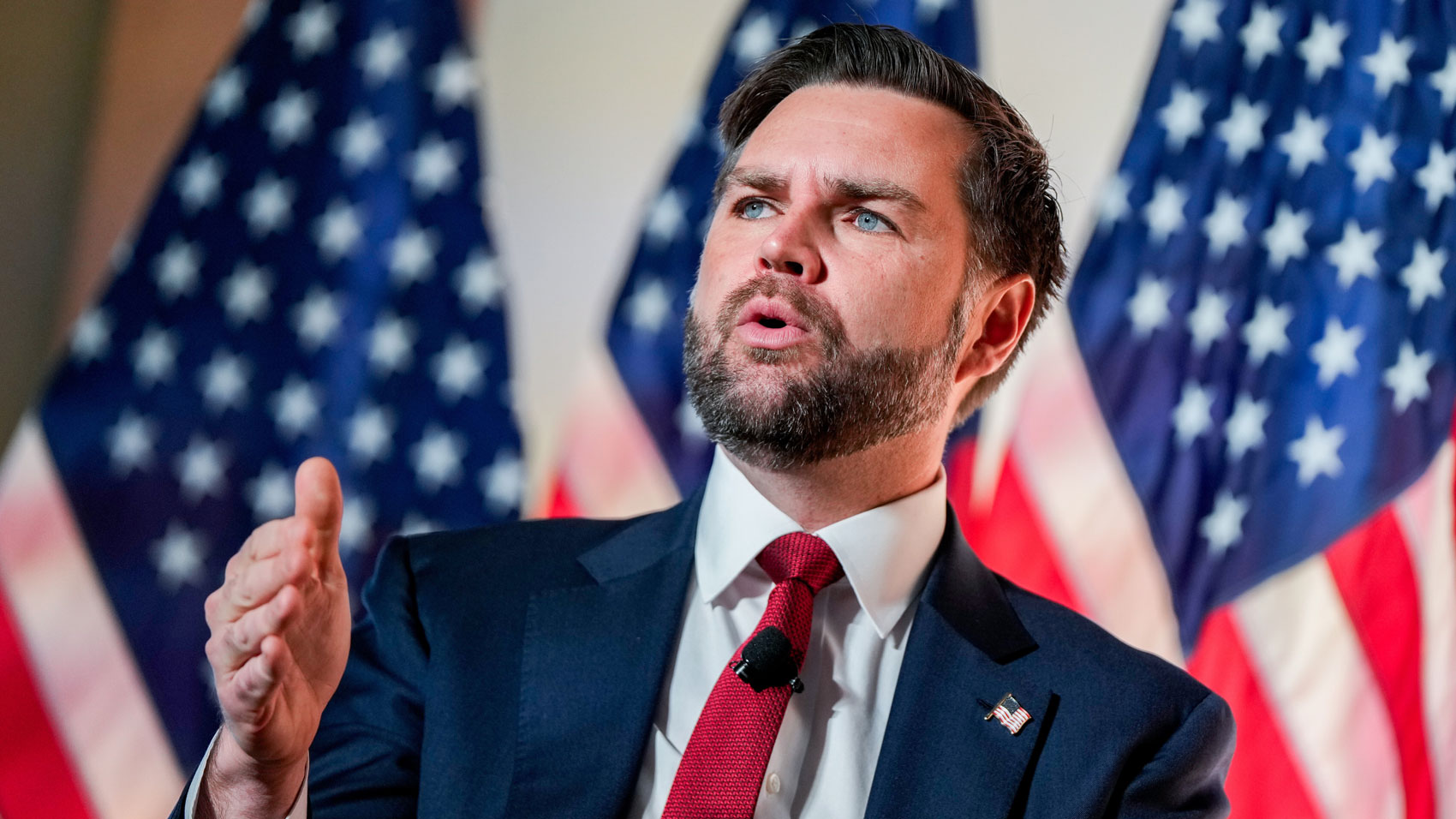
The latest remarks from J. D. Vance accusing Canada of “taking advantage” of the United States might, at first glance, appear to be a familiar refrain in Washington’s political rhetoric. For years, similar language has been used by Donald Trump to frame trade relationships in zero-sum terms. But the timing of these comments suggests something more consequential: a quiet acknowledgment that the United States’ pressure-based strategy toward Canada has not delivered the intended results.
The Trump administration’s approach was built on a straightforward assumption — that economic pressure would force Canada into concessions. Tariffs, threats to dismantle existing agreements like USMCA, and repeated suggestions that Washington could walk away from the partnership entirely were meant to create urgency on the Canadian side. The expectation was that Canada, given its deep economic ties to the United States, would have little choice but to comply.
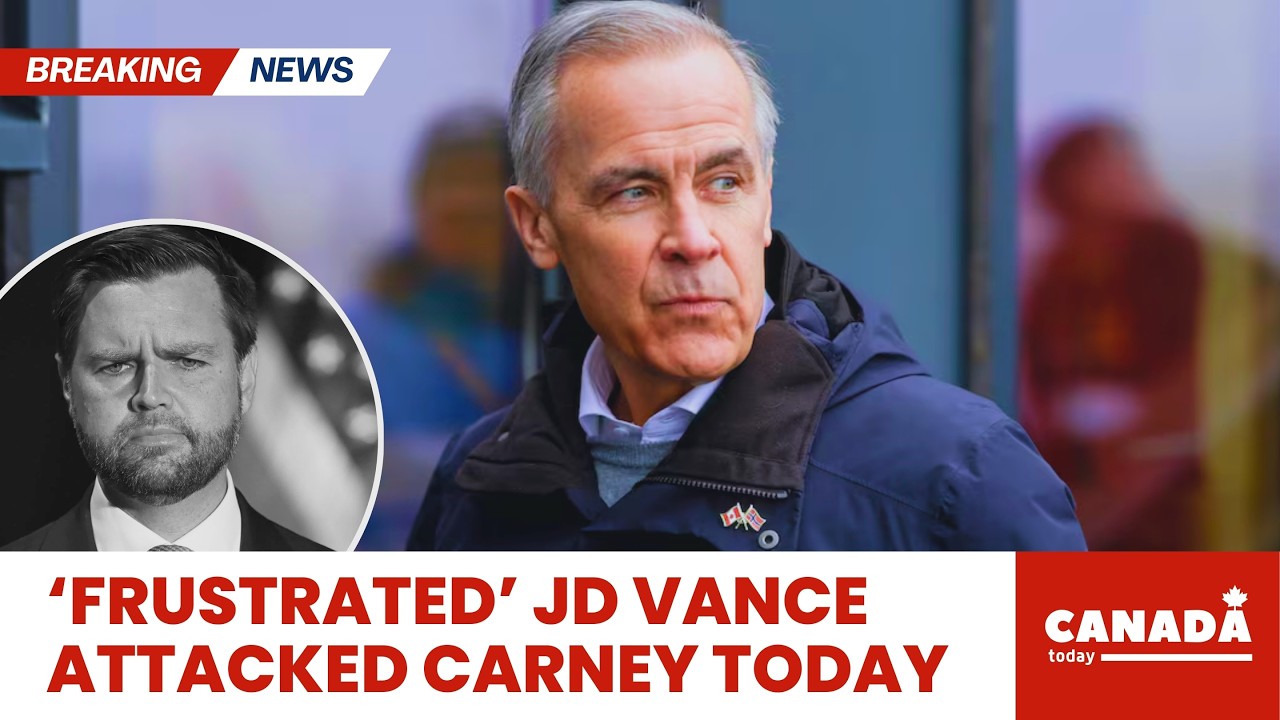
Instead, Canada resisted.
Under the leadership of Mark Carney, the country declined to rush into negotiations or accept unfavorable terms. Rather than reacting to Washington’s escalation, Canada adopted a strategy of patience and diversification — strengthening ties with Europe and Asia while reinforcing its position as a stable supplier of critical resources. This approach, once seen as cautious, now appears prescient.
The turning point came not from North American trade talks, but from a broader geopolitical shock. Rising tensions involving Strait of Hormuz disrupted a vital artery of global energy supply. Nearly a fifth of the world’s oil flows through that narrow passage. When that flow is threatened, the consequences ripple quickly: higher energy prices, strained supply chains, and mounting costs across industries from transportation to agriculture.
For the United States, the timing could hardly be worse. The same strategy that aimed to project strength abroad has introduced new vulnerabilities at home. As energy markets tighten and global supply chains grow more fragile, the importance of reliable partners has increased — and Canada, with its abundant natural resources and geographic proximity, has become more valuable than ever.
This shift has altered the balance of power in subtle but significant ways. The United States can still exert influence, but it can no longer do so without cost. Walking away from trade arrangements or escalating tensions with Canada now carries tangible economic risks, including higher energy prices and supply disruptions that would reverberate domestically.
In this context, Mr. Vance’s remarks take on a different meaning. Rather than signaling confidence, they may reflect an effort to preserve the appearance of leverage in a relationship that is evolving. Political messaging often lags behind economic reality, and when it does, it can reveal underlying uncertainty.
Canada’s position, meanwhile, has strengthened not only because of its resources, but because of its strategy. By expanding its network of trading partners and reducing dependence on a single market, Canada has gained flexibility. In a world where supply chains are increasingly shaped by geopolitical tensions, that flexibility translates into power.
European and Asian markets, both grappling with energy shortages and supply instability, are actively seeking dependable sources of commodities. Canada, with its reserves of oil, natural gas, and agricultural inputs, is well positioned to meet that demand. More importantly, it is perceived as stable — a critical attribute in an era defined by disruption.

None of this suggests that the United States has lost its influence or that the bilateral relationship is fundamentally weakened. The economic ties between the two countries remain among the deepest in the world. But it does indicate that the assumptions underpinning that relationship are changing.
Leverage, as recent events have shown, is not fixed. It shifts with circumstances — with markets, with geopolitics, and with strategic choices. For years, the prevailing view in Washington was that Canada needed the United States more than the reverse. Today, that calculation is less certain.
As negotiations over trade frameworks continue, both countries will need to adjust to this new reality. For the United States, that may mean recognizing that cooperation, rather than coercion, is the more effective path forward. For Canada, it means navigating its newfound leverage carefully, balancing opportunity with the risks that come from an increasingly volatile global landscape.
What is unfolding is not simply a trade dispute, but a recalibration — one shaped as much by events far beyond North America as by decisions within it. And in that recalibration, Canada has emerged not as a junior partner under pressure, but as a country with options, and increasingly, with influence.