Luxon criticises Labour’s economic approach as parties sharpen policy differences
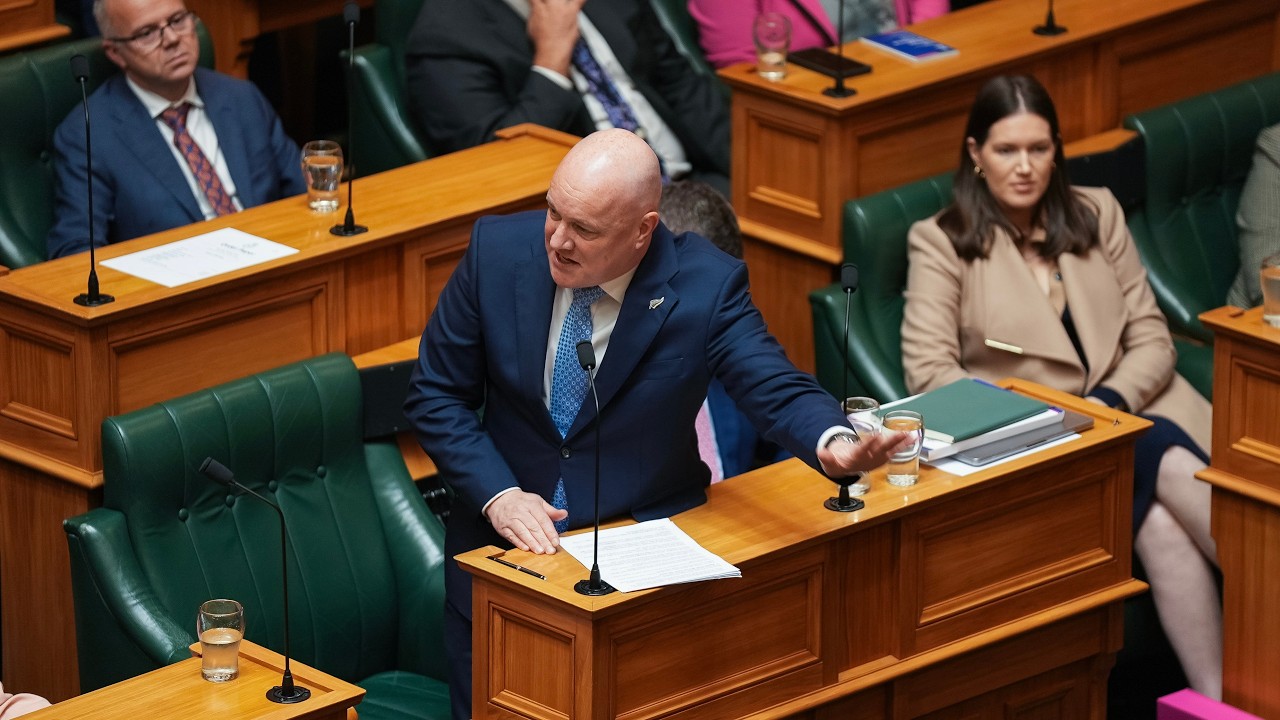
Prime Minister Christopher Luxon has intensified criticism of the Labour Party’s economic approach, arguing that previous policies relied too heavily on government spending, taxation, and borrowing. His remarks came during a broader discussion about economic management, public finances, and competing visions for New Zealand’s future, highlighting the growing political divide over fiscal policy as parties position themselves ahead of future electoral contests.
The comments form part of an ongoing debate between the Government and Opposition regarding how best to manage economic growth, public services, and fiscal sustainability. Coalition ministers have repeatedly argued that tighter control of government expenditure is necessary to maintain economic stability, while Labour maintains that strategic public investment remains important for supporting households and strengthening essential services.


Luxon’s criticism centred on what he described as a pattern of higher spending and borrowing under previous governments. Government representatives argue that excessive expenditure can contribute to inflationary pressures and place long-term strain on public finances. Ministers say their approach is focused on maintaining fiscal discipline while continuing targeted investment in priority sectors such as healthcare, education, transport, and law and order.
Government ministers have argued that economic stability requires careful management of spending and debt levels. Coalition MPs contend that sustainable growth is best achieved through a combination of fiscal restraint, business confidence, and productivity improvements. They maintain that responsible budgeting helps create conditions for investment and long-term economic resilience, particularly during periods of international uncertainty and slowing global growth.
Labour has rejected many of the Government’s criticisms, arguing that public investment is essential for addressing challenges such as housing affordability, healthcare capacity, infrastructure pressures, and educational outcomes. Opposition leader Chris Hipkins has previously argued that government spending should be assessed according to outcomes delivered rather than overall expenditure levels alone. Labour MPs say targeted investment can strengthen economic performance and social wellbeing simultaneously.
Political analysts note that debates over spending and taxation are among the most enduring divisions in New Zealand politics. Centre-right parties often emphasise fiscal restraint and debt management, while centre-left parties generally place greater emphasis on public investment and social programmes. These contrasting approaches frequently become central themes during election campaigns and parliamentary debates.
The Government maintains that controlling expenditure remains necessary following years of economic disruption, inflationary pressures, and increased public borrowing. Ministers argue that stronger fiscal discipline will help support lower inflation, encourage investment, and improve confidence among businesses and consumers. Coalition representatives say this approach is intended to create more sustainable long-term growth rather than focusing on short-term political gains.
At the same time, opposition parties argue that excessive focus on spending reductions can place pressure on public services and vulnerable communities. Labour representatives contend that investment in healthcare, education, and infrastructure contributes to both economic and social outcomes. They argue that fiscal discipline should be balanced with measures designed to address long-term structural challenges facing the country.
Political commentators have noted that economic messaging remains one of the Government’s strongest political themes. Luxon and coalition ministers frequently frame policy debates around questions of spending, borrowing, and fiscal responsibility. Analysts suggest this strategy is designed to reinforce perceptions of economic competence while drawing clear distinctions between the Government and Opposition.
Business organisations have generally welcomed efforts to promote fiscal stability, although views differ regarding the pace and scale of expenditure restraint. Some industry groups argue that predictable fiscal policy supports investment confidence and economic planning. Others caution that underinvestment in infrastructure and workforce development could create challenges for productivity and future growth. These perspectives illustrate the complexity of balancing economic priorities.
Public reaction to the debate has been mixed. Some voters support tighter control of government spending and express concern about public debt levels. Others argue that strong public services require sustained investment and that fiscal policy should focus on outcomes rather than expenditure targets alone. Polling and political commentary suggest economic management remains one of the most important issues influencing voter sentiment.
The debate has also raised questions about how governments should respond to future economic shocks. Supporters of higher public investment argue that governments require flexibility to support households and businesses during periods of crisis. Advocates of fiscal restraint counter that maintaining stronger financial positions before crises emerge provides greater room for intervention when necessary. This discussion remains under ongoing consideration among economists and policymakers.
Recent parliamentary exchanges have reflected these competing perspectives, with ministers highlighting fiscal discipline and opposition MPs emphasising investment needs. Political analysts suggest that these debates are likely to intensify as parties continue refining policy platforms. Economic performance, inflation trends, employment conditions, and public service outcomes are expected to remain central topics throughout the political cycle.
Opposition MPs have responded by arguing that Government criticism often overlooks the context in which previous spending decisions were made. They note that major investments were undertaken during periods of significant economic disruption and public health challenges. Labour representatives maintain that many programmes delivered benefits that continue to support communities and economic recovery. The Government disputes this assessment and argues greater efficiency is required.
Questions remain regarding the optimal balance between taxation, spending, borrowing, and investment in a modern economy. Economists continue debating the most effective approaches to promoting growth while maintaining fiscal sustainability. Different schools of thought offer varying conclusions regarding the role of government intervention and public expenditure. As a result, political disagreement over these issues is unlikely to diminish in the near future.
Media coverage of Luxon’s comments has focused on the broader economic narrative rather than any single policy proposal. Journalists have examined how fiscal arguments are being used by both sides to frame economic performance and future priorities. Analysts suggest that messaging around spending and debt remains particularly influential because it connects directly with household concerns about living costs and economic security.
Several analysts suggest that economic credibility may become a decisive factor in future electoral contests. Governments and opposition parties alike face pressure to demonstrate how their policies will support growth, maintain public services, and manage public finances responsibly. As economic conditions evolve, voters are likely to assess both competing visions and practical outcomes. This creates ongoing incentives for parties to sharpen distinctions regarding fiscal policy.
For the Government, the challenge is demonstrating that expenditure restraint can coexist with effective public services and economic growth. Ministers argue that their approach delivers exactly that balance. Opposition parties remain unconvinced, maintaining that some services require greater investment to meet public expectations and address long-term challenges. This disagreement continues to shape much of New Zealand’s political and economic debate.
Ultimately, Luxon’s criticism of Labour’s economic approach reflects a broader contest over fiscal philosophy and government priorities. The debate touches on fundamental questions about taxation, spending, borrowing, and the role of the state in supporting economic development. As political parties continue presenting competing visions, economic management is likely to remain one of the defining issues in New Zealand politics.






