Luxon faces renewed political scrutiny as leadership speculation continues
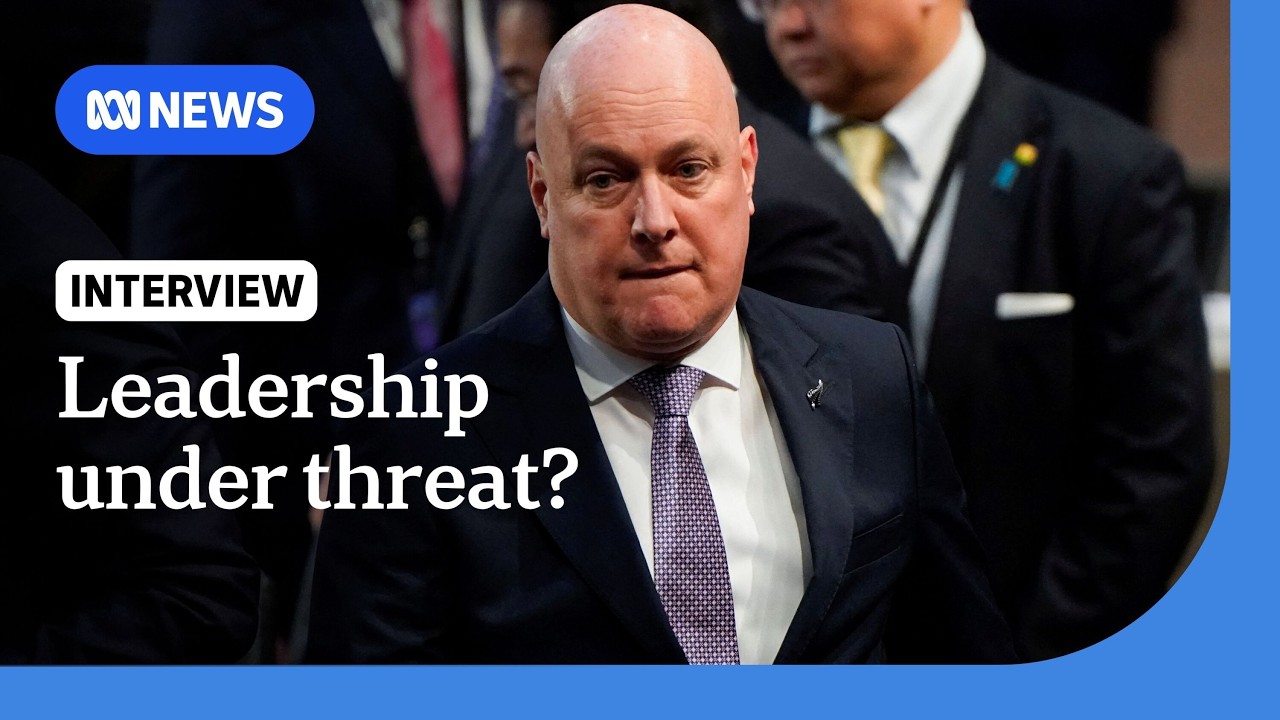
Prime Minister Christopher Luxon is facing renewed political scrutiny following commentary suggesting he may be in a “difficult position” amid ongoing speculation about leadership stability within the governing coalition. The discussion has emerged alongside broader debate about Government performance, political messaging, and public confidence in leadership at a time when cost-of-living pressures and policy delivery remain central to national political discourse.
The remarks have circulated in political commentary and media analysis rather than through any formal parliamentary process. While no official challenge to leadership has been confirmed, the narrative has attracted attention because it reflects broader questions about political momentum, coalition cohesion, and the pressures facing governments in mid-term cycles. Political observers note that such speculation often intensifies when public opinion is mixed or when governments are managing multiple policy challenges simultaneously.


The Government has not indicated any change in leadership arrangements and continues to emphasise policy delivery across economic management, infrastructure, and public services. Ministers have repeatedly stated that the coalition remains focused on implementation rather than internal political debate. However, analysts note that leadership speculation can persist in public discussion even in the absence of formal developments, particularly when media commentary highlights possible vulnerabilities.
Government ministers have argued that attention should remain on policy outcomes rather than political commentary. They maintain that the coalition’s agenda is centred on stabilising the economy, improving public services, and supporting long-term growth. Supporters of the Prime Minister argue that speculation about leadership can distract from governance priorities and may not reflect the reality of decision-making within Cabinet or the wider coalition arrangement.
Opposition parties have responded cautiously, with some MPs highlighting what they describe as ongoing concerns about Government performance in key areas such as housing affordability, healthcare access, and public sector delivery. While opposition figures have not confirmed any formal move regarding leadership matters, they have suggested that public dissatisfaction with certain policies may be influencing political narratives around stability and direction.
Political analysts say leadership speculation is a common feature of parliamentary systems, particularly when governments face sustained scrutiny or when polling indicates shifting public sentiment. Analysts note that such narratives can be amplified by media commentary and political debate, even when there is no immediate prospect of leadership change. They also emphasise that coalition governments can sometimes generate additional speculation due to the complexity of multi-party arrangements.
Within the governing coalition, ministers have continued to publicly support existing leadership structures. Coalition representatives argue that stability is important for delivering policy commitments and maintaining confidence among voters and stakeholders. However, analysts note that differing political priorities among coalition partners can occasionally fuel external perceptions of tension, even when formal cooperation remains intact.
Public reaction to the leadership discussion has been mixed. Some voters view the speculation as a routine aspect of political coverage, while others express concern that ongoing debate about leadership may distract from pressing issues affecting households. Cost-of-living pressures, healthcare performance, and housing remain dominant concerns in public opinion, with many voters prioritising policy outcomes over political narratives.
The discussion has also spurred debate about the role of political commentary in shaping perceptions of leadership strength. Analysts suggest that repeated framing of a leader as being in a “difficult position” can influence public perception over time, even in the absence of formal political developments. This highlights the interaction between media analysis and political reality in shaping public understanding.
Political commentators have noted that leadership speculation often becomes more visible during periods when governments are balancing multiple competing priorities. Economic conditions, international uncertainty, and domestic policy challenges can all contribute to heightened scrutiny. In such environments, even routine political developments may be interpreted through a leadership-focused lens.
Opposition MPs have continued to emphasise alternative policy approaches, arguing that different economic and social strategies could deliver improved outcomes. While not directly confirming any leadership challenge scenario, opposition representatives have highlighted what they see as areas where Government performance could be strengthened. These comments contribute to broader political narratives that can feed into speculation about leadership stability.
Media coverage of the issue has focused on both the substance of political commentary and the broader implications for Government stability. Journalists have examined how leadership narratives emerge and whether they reflect underlying political conditions or are primarily driven by commentary cycles. Analysts note that such coverage can sometimes amplify perceptions of uncertainty even when institutional arrangements remain unchanged.
The Government continues to argue that its focus remains on delivering policy commitments and maintaining economic stability. Ministers say that attention to speculation is less important than progress on areas affecting households and businesses. Coalition leaders maintain that governance requires sustained focus on implementation rather than responding to commentary-driven narratives.
Business groups and economic stakeholders have largely focused on policy consistency and stability rather than leadership speculation. Many organisations emphasise the importance of predictable decision-making and long-term planning for investment confidence. Analysts note that while political leadership matters, business communities often prioritise policy direction and regulatory certainty.
Questions remain about how leadership narratives may evolve as political cycles progress. Analysts suggest that speculation can persist without concrete developments and may rise or fall depending on political events, policy announcements, or shifts in public sentiment. In coalition systems, these narratives can be further influenced by the dynamics between governing parties and opposition strategies.
Within Parliament, attention continues to be divided between policy debates and broader political messaging. Government MPs are focused on legislative priorities and implementation, while opposition parties continue scrutinising policy outcomes and performance. Leadership speculation exists alongside these ongoing parliamentary functions but does not currently appear to reflect any formal procedural change.
Political observers say that the durability of leadership speculation often depends on whether it is reinforced by future events. Without confirmation or institutional developments, such narratives may gradually diminish, though they can also re-emerge if new political pressures arise. Analysts therefore caution against treating commentary as evidence of structural change within government arrangements.
Ultimately, the current discussion reflects the broader nature of modern political communication, where leadership perceptions are shaped by a combination of media framing, political debate, and public sentiment. While speculation about Christopher Luxon continues to circulate, no formal leadership challenge has been indicated, and the Government maintains that its focus remains on policy delivery and governance priorities.






