Luxon delivers ANZAC Day message reflecting on service, sacrifice and national identity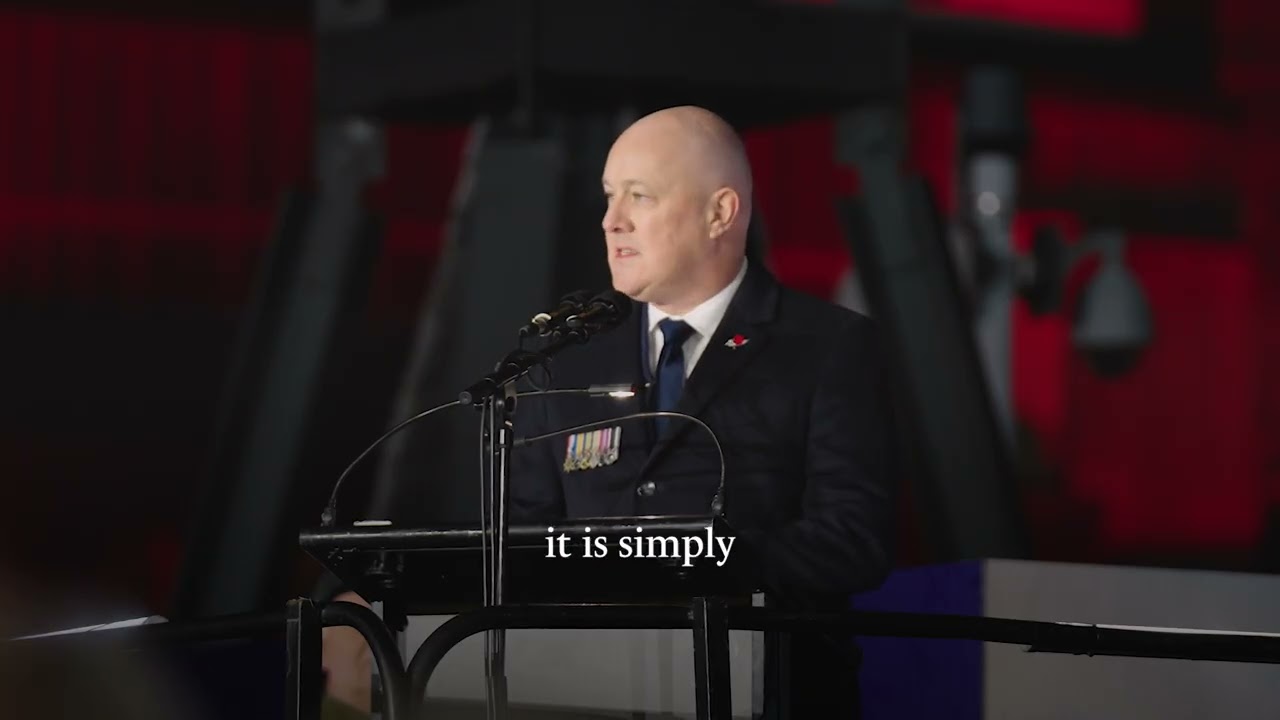
Prime Minister Christopher Luxon has delivered his ANZAC Day 2026 message, commemorating New Zealand service personnel and reflecting on the continuing significance of remembrance within national life. The statement marked one of the country’s most prominent annual occasions of public reflection, with ceremonies taking place across New Zealand and overseas. Government leaders, opposition representatives, veterans’ organisations, and community groups participated in commemorations recognising those who served during wartime and in subsequent military operations. ANZAC Day continues to hold a central place in New Zealand’s civic identity, bringing together historical remembrance, national reflection, and public discussion about sacrifice, service, and shared responsibility.
In his message, Luxon acknowledged the contribution of New Zealanders who served in conflicts across different generations and highlighted the role of remembrance in connecting contemporary society with historical experience. He said ANZAC Day remains an opportunity to reflect not only on military history but also on values associated with service, resilience, and collective responsibility.

ANZAC Day commemorations traditionally begin with dawn services attended by veterans, families, military personnel, and members of the public. Ceremonies are held in cities, towns, and rural communities throughout New Zealand, reflecting the broad national significance of the occasion. Analysts note that public participation has remained strong in recent decades, particularly as younger generations increasingly engage with family histories and national commemorative traditions. The continued prominence of ANZAC Day demonstrates the enduring role remembrance plays within New Zealand society.
Government representatives emphasised the importance of preserving historical memory and supporting veterans and their families. Ministers stated that remembrance ceremonies provide opportunities for national unity and reflection regardless of political differences. Officials also highlighted ongoing support services for veterans, including healthcare, welfare programmes, and commemorative initiatives. While ANZAC Day is primarily ceremonial, it often prompts wider discussion about how governments support those affected by military service and conflict.
Opposition parties also issued commemorative statements recognising the significance of the day. Labour MPs, Green Party representatives, and Te Pāti Māori members participated in events across the country and acknowledged the contribution of service personnel and communities affected by war. Political leaders from multiple parties stressed the importance of remembrance while also recognising the evolving nature of national identity and historical understanding in modern New Zealand.
Veterans’ organisations welcomed continued public engagement with ANZAC commemorations. Representatives noted that ceremonies provide opportunities for intergenerational connection and public education regarding military history and the experiences of service personnel. Many organisations also emphasised the importance of supporting living veterans and ensuring adequate recognition of both historical and contemporary service. Discussions regarding veteran welfare frequently accompany commemorative events and remain under ongoing policy consideration.
The Prime Minister’s message also reflected broader themes relating to unity and national resilience. Political observers note that leaders often use ANZAC Day speeches to connect historical remembrance with contemporary social values. Luxon’s remarks emphasised themes of shared responsibility, sacrifice, and public service, while avoiding overtly partisan political themes. Analysts suggest that commemorative occasions typically encourage more restrained political language and greater emphasis on collective national identity.
Public participation in ANZAC Day events remained significant across the country despite changing demographics and evolving public attitudes toward military history. Ceremonies included traditional wreath-laying, military parades, moments of silence, and readings honouring those who served. Schools, community organisations, and local councils also participated in commemorative activities, reinforcing the educational and civic dimensions of the occasion.
Historians and political commentators noted that ANZAC Day continues to evolve as both a commemorative and cultural event. Earlier generations often focused primarily on battlefield sacrifice and military service, while contemporary commemorations increasingly include broader reflection on the human consequences of conflict, the experiences of indigenous service personnel, and the importance of peace and diplomacy. This evolution has spurred discussion about how national remembrance traditions should adapt over time.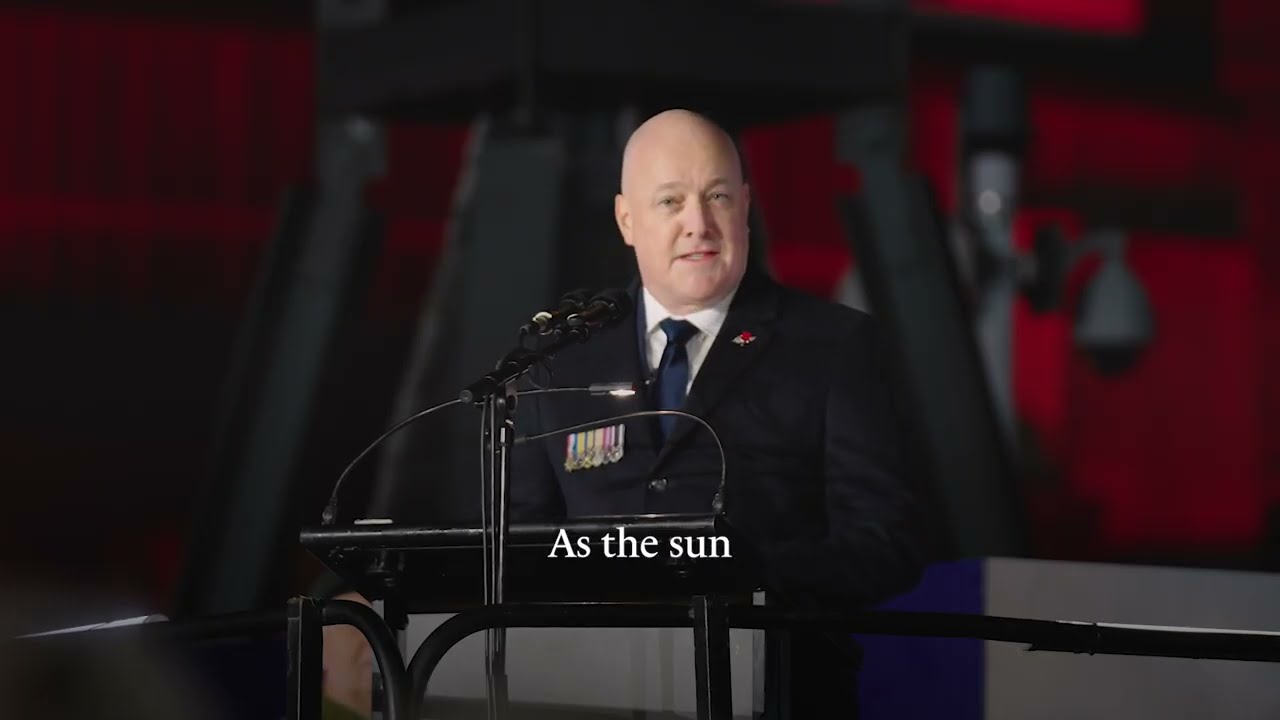
The role of Māori service personnel and communities also received attention during commemorations. Speakers at several ceremonies acknowledged the contributions of Māori soldiers and the impact of war on Māori communities across different historical periods. These acknowledgements reflect broader efforts to present more inclusive understandings of New Zealand’s military and social history. Historians argue that recognition of diverse experiences strengthens public understanding of national history.
International relationships connected to ANZAC traditions remain an important part of the commemorative landscape. Ceremonies were held not only in New Zealand but also in Australia, Türkiye, Europe, and other locations associated with wartime service. Diplomatic representatives and defence personnel participated in events overseas, reinforcing historical ties and ongoing international relationships. Such commemorations often attract strong interest from New Zealanders travelling or living abroad.
Political analysts observed that commemorative events can temporarily soften partisan divisions by focusing attention on shared history and collective remembrance. However, they also noted that discussions regarding defence policy, veteran support, and national identity sometimes emerge alongside ceremonial observances. While ANZAC Day itself remains largely non-partisan, related policy debates continue within Parliament and public discussion throughout the year.
Veterans groups continued calling for sustained attention to healthcare, mental health support, and long-term services for former service personnel. Representatives argued that public expressions of gratitude should be accompanied by practical commitments to veteran wellbeing. Government ministers stated that support systems remain under review and that officials continue working with veterans’ organisations on service delivery and policy development. These discussions are expected to continue beyond commemorative events themselves.
Media coverage of ANZAC Day focused heavily on ceremonies, personal stories, and reflections from political and community leaders. Journalists highlighted accounts from veterans, military families, and younger New Zealanders attending commemorations. Coverage also examined how ANZAC traditions continue adapting to changing social attitudes and historical scholarship. Analysts suggest that media storytelling plays an important role in sustaining public engagement with remembrance culture.
Educational institutions across the country incorporated commemorative activities into school programmes surrounding ANZAC Day. Teachers and historians argue that these initiatives help younger generations understand the historical context of conflict and the significance of remembrance traditions. Students participated in assemblies, research projects, and community ceremonies, contributing to ongoing public awareness and historical education.
Public responses to the Prime Minister’s message were generally measured and respectful. Many commentators welcomed the focus on remembrance and unity, while some also emphasised the importance of acknowledging the broader human costs of war. Community discussion reflected differing interpretations of military history and national identity, though most participants agreed on the importance of honouring those who served and sacrificed.
Questions remain about how ANZAC commemorations will continue evolving in future decades as living connections to earlier conflicts become more distant. Historians suggest that remembrance traditions may increasingly focus on education, reflection, and civic identity rather than direct personal memory. Governments, schools, veterans’ organisations, and communities are therefore likely to continue shaping how these traditions are maintained and adapted over time.
The Government indicated that support for commemorative activities and veterans’ services will remain part of broader national policy commitments. Ministers argue that remembrance is an important aspect of New Zealand’s civic culture and national identity. Opposition parties broadly agreed on the significance of maintaining commemorative traditions while continuing discussions regarding practical support for veterans and military families.
International observers often view ANZAC Day as one of New Zealand’s most distinctive civic commemorations, reflecting both historical experience and cultural identity. The scale of participation each year demonstrates the continuing importance of remembrance within public life. Analysts note that the occasion remains one of the few national events capable of generating widespread participation across political, regional, and generational lines.
Ultimately, Luxon’s ANZAC Day message reflected the continuing role of remembrance within New Zealand society and political culture. While commemorations remain grounded in historical events, they also encourage reflection on contemporary values, national identity, and collective responsibility. As ceremonies concluded across the country and overseas, public attention remained focused on honouring service and preserving historical memory for future generations.






