Luxon outlines priorities for the year ahead in wide-ranging NBR podcast discussion

Prime Minister Christopher Luxon has used a recent interview to discuss the Government’s priorities for the year ahead, offering insight into how ministers intend to approach economic management, public services, infrastructure, and broader policy challenges. The conversation has attracted attention because it comes at a time when the coalition government is continuing to implement its programme while facing ongoing scrutiny from opposition parties, businesses, and community groups. Political observers say such interviews often provide an opportunity for leaders to explain both immediate priorities and longer-term objectives.
During the discussion on the podcast produced by National Business Review, Luxon outlined areas where the Government believes progress can be made over the coming year. He argued that maintaining economic stability and improving confidence remain important goals as New Zealand continues to navigate domestic and international challenges.


The interview covered a range of topics that have featured prominently in public debate. These included economic growth, government spending, productivity, infrastructure investment, and the performance of public services. Luxon indicated that ministers remain focused on delivering outcomes promised during the election campaign while responding to emerging issues. Analysts note that balancing long-term ambitions with short-term pressures remains a significant challenge for any government. The discussion therefore provided an opportunity for the Prime Minister to explain how the administration intends to manage competing priorities in the months ahead.
Speaking about the economy, Luxon emphasised the importance of creating conditions that encourage investment, business activity, and employment growth. Government ministers have repeatedly argued that stronger economic performance is necessary to support public services and improve living standards. The Prime Minister suggested that policy decisions would continue to be assessed against their contribution to economic development and fiscal sustainability. While supporters view that approach as necessary, critics have questioned whether economic objectives are being balanced appropriately against social and environmental considerations.
The Government’s position is that careful management of public finances remains essential. Ministers have argued that maintaining discipline in expenditure decisions can help support long-term stability while ensuring resources are directed toward priority areas. During the discussion, Luxon highlighted the need to focus spending on programmes that deliver measurable results. Political observers note that fiscal policy is likely to remain under scrutiny as ministers continue making decisions about investment, savings, and public sector performance.
Opposition parties have responded to the Government’s broader economic agenda with a mixture of criticism and alternative proposals. Some opposition MPs argue that current policies do not adequately address cost-of-living pressures experienced by households. Others contend that public services require additional investment. The interview has therefore contributed to an ongoing debate regarding the balance between economic growth, fiscal restraint, and public expenditure. Such disagreements are expected to remain central to parliamentary discussion throughout the year.
Infrastructure was another topic highlighted during the conversation. Successive governments have faced pressure to improve transport networks, public facilities, and resilience planning. Luxon suggested that infrastructure development remains a key component of the Government’s strategy for supporting growth and productivity. Industry representatives generally support greater certainty regarding major projects, although questions often arise regarding funding arrangements, delivery timelines, and implementation capacity. These issues are expected to remain under consideration as future projects progress.
Political analysts noted that the interview served not only as a policy discussion but also as a broader communication exercise. Prime ministers frequently use media appearances to explain priorities, address criticism, and provide context for government decisions. Analysts suggest that maintaining public confidence often depends on clear communication as well as policy delivery. The ability to articulate goals and demonstrate progress can therefore play an important role in shaping public perceptions of government performance.
The discussion also touched on the challenges facing businesses. Business leaders have expressed interest in regulatory certainty, workforce development, and productivity improvements. Luxon indicated that the Government intends to continue engaging with the private sector while pursuing reforms designed to support economic activity. Some industry groups have welcomed aspects of the Government’s approach, while others have called for additional detail regarding implementation. Stakeholder feedback is likely to influence future policy development in several areas.
Public services remain an important area of political debate. Healthcare, education, policing, and other services continue to attract significant public attention. During the interview, Luxon argued that improving performance and accountability remains a priority. The Government has stated that reforms should focus on outcomes rather than simply increasing expenditure. Critics, however, argue that some sectors require greater investment to address existing pressures. These competing perspectives are likely to continue shaping public discussion.
Questions regarding housing affordability and cost-of-living pressures were also raised. These issues remain significant concerns for many New Zealanders. Luxon acknowledged the importance of supporting economic conditions that improve opportunities for households while maintaining broader fiscal objectives. Analysts note that housing policy often involves complex interactions between regulation, supply, infrastructure, and market conditions. As a result, progress in this area is frequently measured over extended periods rather than through immediate outcomes.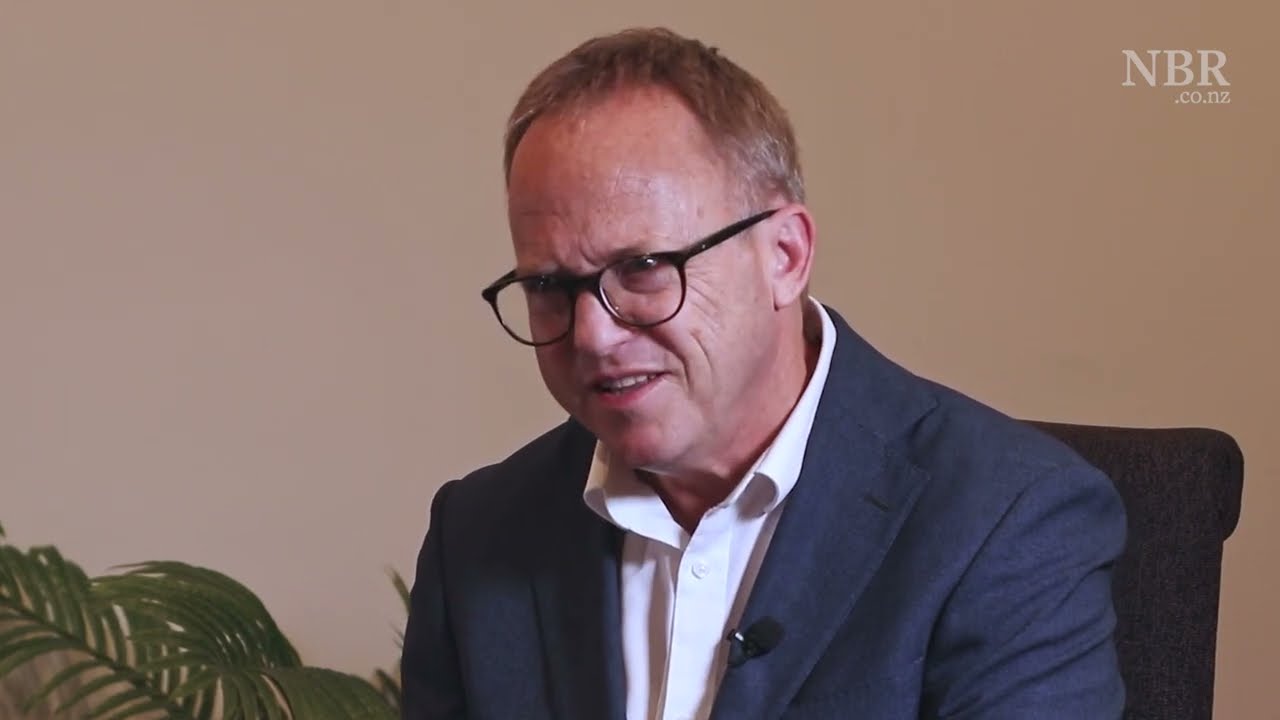
Government ministers have argued that many policy challenges require long-term planning rather than short-term solutions. The Prime Minister reiterated the importance of consistency and continuity in decision-making. Supporters say this approach provides greater certainty for businesses and investors. Opponents, however, have questioned whether current policies will deliver sufficient improvements in areas that remain under scrutiny. The effectiveness of long-term strategies is therefore likely to be assessed against practical outcomes achieved over time.
International developments were also referenced during the conversation. New Zealand’s economy remains connected to global markets, making international conditions relevant to domestic decision-making. Luxon suggested that external economic trends, geopolitical developments, and trade relationships would continue influencing government priorities. Analysts note that managing these external factors requires flexibility and responsiveness, particularly during periods of uncertainty. The Government has indicated that maintaining strong international relationships remains an important objective.
The interview provided insight into how the Government views the relationship between economic policy and public confidence. Ministers argue that predictable policy settings can support investment and planning. Business organisations have frequently highlighted the value of stability when making long-term decisions. At the same time, public expectations regarding service delivery and affordability remain high. Balancing these considerations continues to be one of the central challenges facing policymakers.
Local government leaders have also been watching national policy discussions closely. Councils often play a role in implementing initiatives related to infrastructure, housing, and community services. Some local authorities have called for stronger coordination with central government, particularly where major projects are involved. The interview’s focus on delivery and investment therefore carries relevance beyond Wellington. Cooperation between different levels of government may influence the success of future initiatives.
Industry representatives generally welcomed the opportunity to hear directly from the Prime Minister regarding future priorities. However, many continue to seek additional detail regarding specific programmes and timelines. Businesses often emphasise the importance of certainty when planning investment and employment decisions. While broad policy objectives may be clear, implementation details frequently determine how initiatives are received. Stakeholders are expected to continue engaging with ministers as policies develop further.
Political implications of the discussion are likely to extend beyond immediate policy questions. Media appearances can contribute to broader perceptions of leadership and government direction. As attention gradually shifts toward future electoral contests, public understanding of government priorities may become increasingly important. Analysts note that sustained communication efforts often form part of a wider political strategy designed to reinforce key messages and objectives.
The year ahead is expected to present both opportunities and challenges for the coalition government. Economic conditions, public expectations, and international developments will all influence policy decisions. Ministers have indicated that delivery remains a central focus, with progress expected across a range of areas. Whether those goals are achieved will continue to be monitored by opposition parties, stakeholders, and the wider public.
As the interview concluded, Luxon reiterated themes that have featured prominently throughout his leadership: economic growth, accountability, delivery, and long-term planning. While many questions remain regarding specific policies, the discussion provided a clearer indication of the Government’s priorities for the months ahead. Observers note that future assessments will depend not only on stated objectives but also on measurable outcomes.
The conversation highlighted the complexity of governing during a period characterised by competing demands and expectations. Economic management, public services, infrastructure investment, and social policy all remain under scrutiny. The Government argues that its approach is designed to deliver sustainable results, while critics continue to challenge aspects of its strategy. Such debate is likely to remain a defining feature of New Zealand politics throughout the year.
Ultimately, the interview offered a broad overview of how the Prime Minister views the challenges and opportunities facing New Zealand. While many policy details remain subject to further development, the themes discussed are expected to shape political debate in the coming months. As the Government advances its agenda, attention will remain focused on implementation, accountability, and the extent to which stated priorities translate into tangible outcomes for New Zealanders.






