Luxon strengthens trans-Tasman ties during Australia visit
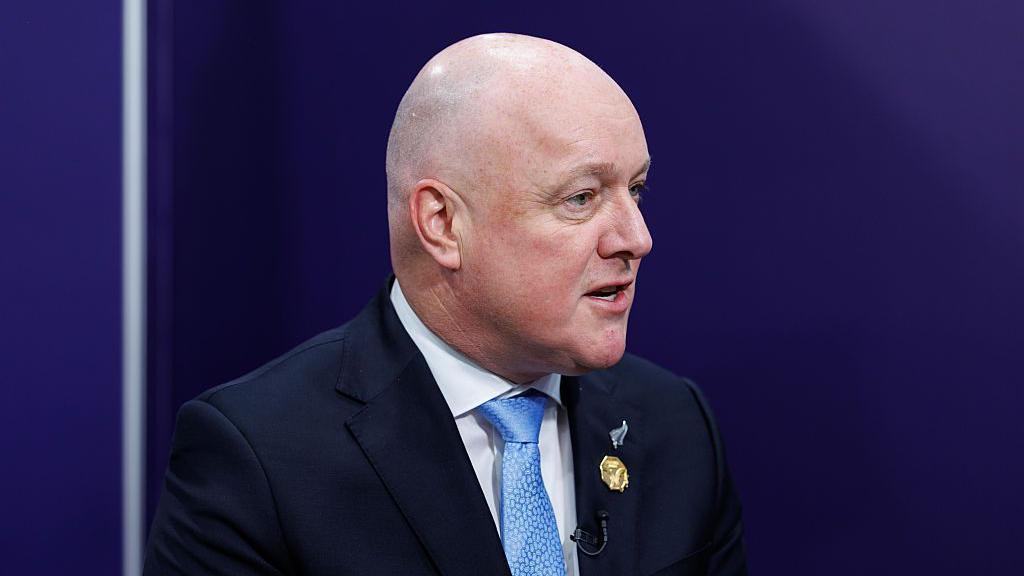
Prime Minister Christopher Luxon has used meetings in Australia to highlight New Zealand’s priorities on economic cooperation, regional security, trade, and investment as both countries seek closer coordination amid global uncertainty. Government representatives say the discussions focused on strengthening long-term trans-Tasman ties and expanding collaboration across several policy areas.
Officials from both governments described the meetings as part of broader efforts to reinforce the close political and economic relationship between New Zealand and Australia. Ministers said the two countries continue sharing common interests involving regional stability, trade resilience, infrastructure development, and workforce mobility.


Luxon said Australia remains one of New Zealand’s most important international partners and emphasised the importance of stable economic and diplomatic relationships during a period of changing global conditions. Government representatives argued that stronger trans-Tasman coordination may support long-term economic growth and regional cooperation.
Australian officials also highlighted the significance of the relationship, noting that both countries maintain longstanding ties through trade, investment, education, tourism, and security cooperation. Political analysts say trans-Tasman relations remain central to New Zealand’s broader foreign and economic policy strategy.
The Government indicated that discussions covered areas including economic growth, productivity, infrastructure investment, business confidence, and regional security challenges. Ministers said closer coordination may help improve economic resilience and strengthen opportunities for businesses operating across both countries.
Opposition leader Chris Hipkins said strong relations with Australia have historically received bipartisan support in New Zealand politics. Labour representatives indicated they would continue monitoring details connected to any future agreements or policy announcements resulting from the visit.
Business organisations welcomed continued engagement between the two governments and emphasised the importance of maintaining stable economic relationships across the Tasman region. Industry groups said regulatory cooperation and workforce mobility remain important priorities for businesses and exporters.
Regional security cooperation has become increasingly significant within trans-Tasman discussions in recent years. Political commentators note that governments across the Asia-Pacific region are responding to broader geopolitical uncertainty, cybersecurity concerns, and evolving strategic conditions.
The Government maintains that New Zealand’s independent foreign policy remains consistent with stronger regional partnerships and diplomatic cooperation. Ministers argue that collaboration with Australia can strengthen economic and strategic resilience without limiting independent decision-making.
Political analysts suggest the Australia visit may also support the Government’s broader leadership messaging ahead of the next general election. International engagement is often presented by governments as evidence of diplomatic credibility and active economic management.
Questions remain regarding how specific proposals discussed during the visit may be implemented in practice. Officials indicated that further policy coordination and technical discussions are expected to continue between agencies and ministers from both countries.
Media coverage surrounding the visit has focused heavily on trade opportunities, labour mobility, infrastructure cooperation, and broader regional diplomacy. Political commentators say Australia continues to represent one of New Zealand’s most strategically important international relationships.
Economists note that stronger cooperation with Australia may help support economic resilience during periods of global uncertainty. However, analysts also caution that international conditions involving inflation, trade patterns, and geopolitical tension continue affecting both economies.
Public reaction has generally reflected support for maintaining close trans-Tasman ties, although some observers continue raising questions regarding migration patterns, workforce competition, and long-term economic integration between the two countries.
The coalition Government continues arguing that international partnerships are important for supporting investment confidence and long-term prosperity. Ministers say constructive relationships with key regional partners remain essential for trade, security, and economic growth.
Labour and other opposition parties broadly support maintaining strong diplomatic and economic ties with Australia while continuing scrutiny of policy detail and implementation. Political analysts note that bipartisan agreement often exists regarding major trans-Tasman priorities despite broader political competition.
Foreign policy specialists say the visit reflects wider efforts by both governments to strengthen coordination during a period of economic and geopolitical uncertainty. Regional cooperation, supply chain resilience, and investment stability remain increasingly important strategic considerations.
Political scientists note that international visits can also shape domestic perceptions regarding leadership and diplomatic capability. Luxon’s Government is likely to continue emphasising economic cooperation and regional engagement as part of its broader political messaging ahead of the election.
Ultimately, Luxon’s visit to Australia highlights the continuing importance of the trans-Tasman relationship across economic, diplomatic, and strategic policy areas. As further discussions and agreements develop, attention is likely to remain focused on how closer cooperation may influence trade, investment, regional security, and economic opportunity for both countries.






