New poll points to increasingly competitive political environment
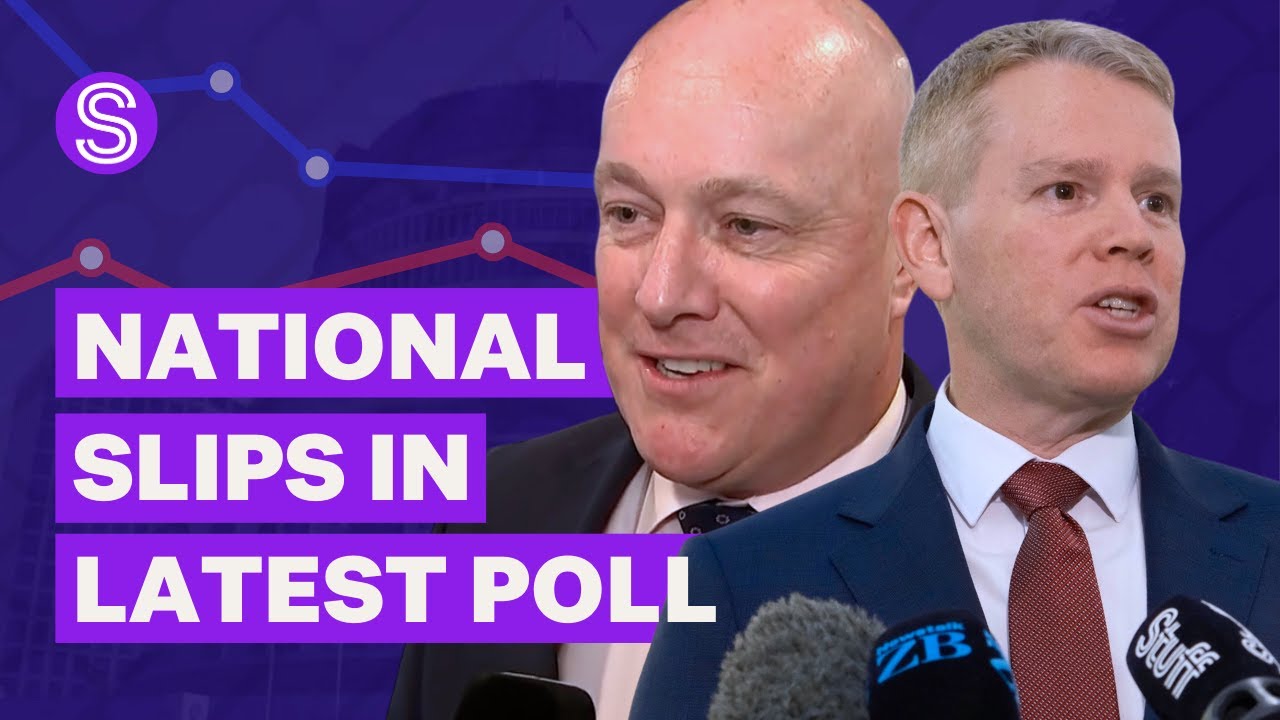
A new political poll has highlighted the increasingly competitive and unpredictable nature of New Zealand politics, with support levels across major parties suggesting that future government formation scenarios remain far from settled. The results have generated significant discussion among politicians, analysts, and voters as parties continue positioning themselves ahead of the next election.
The survey indicated that neither the governing coalition nor the opposition bloc can assume a clear advantage, reinforcing the importance of smaller parties and coalition negotiations under New Zealand’s Mixed Member Proportional electoral system. Political observers say the findings reflect a fluid electorate that remains willing to shift support between parties in response to economic conditions, policy performance, and leadership perceptions.


Prime Minister Christopher Luxon and coalition ministers have continued emphasising economic management, public service delivery, and infrastructure investment as key priorities. Government representatives argue that voters will ultimately judge the administration on practical outcomes rather than individual polling snapshots. Ministers noted that polls can fluctuate considerably throughout a parliamentary term and should be interpreted cautiously.
Opposition parties, including Labour under Chris Hipkins, pointed to aspects of the survey that they believe demonstrate public concern about cost-of-living pressures, healthcare services, housing affordability, and economic direction. Opposition MPs argued that polling trends suggest many voters remain open to alternative policy approaches and leadership options.
Political analysts have described the latest results as another indication that New Zealand’s political environment remains highly competitive. Analysts note that relatively small movements in party support can have significant implications under MMP, particularly when coalition arithmetic becomes closely balanced. As a result, polling outcomes often attract considerable attention despite representing only a snapshot of public opinion at a particular moment.
The role of smaller parties continues to attract scrutiny. Parties outside the two largest political groupings may again play a decisive role in determining who forms the next government. Analysts argue that support for smaller parties often increases when voters seek alternatives to the major parties or wish to influence coalition outcomes more directly.
Coalition dynamics remain an important factor in interpreting poll results. The current Government includes parties with distinct political priorities, while opposition parties continue exploring areas of policy alignment. Political commentators suggest that voters are increasingly considering not only individual parties but also the potential coalition arrangements that could emerge after an election.
Public opinion appears influenced by a range of issues, including inflation, interest rates, healthcare performance, public spending, and economic growth. While some voters express support for the Government’s emphasis on fiscal discipline, others continue calling for greater investment in public services and social programmes. These competing priorities contribute to the volatility reflected in recent polling.
The poll has also spurred discussion about leadership perceptions. Both Government and Opposition leaders remain under regular scrutiny regarding communication, policy delivery, and overall political effectiveness. Analysts note that leadership ratings can influence broader party support, particularly during periods of economic uncertainty or heightened political debate.
Government MPs have argued that long-term policy outcomes matter more than short-term polling movements. Ministers say reforms in areas such as infrastructure, education, and public services require time to deliver measurable results. They maintain that judging government performance solely through polling data can overlook the complexity of policy implementation and economic conditions.
Opposition representatives counter that polls provide an important indicator of public sentiment and can reveal whether voters feel their concerns are being addressed. Labour, the Greens, and other opposition parties argue that shifts in support levels may reflect dissatisfaction with aspects of Government performance. However, they also acknowledge that polling does not guarantee electoral outcomes.
Business groups and economic commentators continue monitoring political trends closely. Stable governance and policy certainty remain important considerations for investors and employers. Analysts suggest that closely contested polling can increase political attention on economic management, taxation, regulation, and infrastructure planning as parties seek to reassure both voters and markets.
The influence of polling extends beyond political parties themselves. Media organisations frequently use surveys to assess public sentiment and frame political narratives. Critics argue that excessive focus on polling can sometimes distract from substantive policy debate, while supporters contend that surveys provide valuable insight into changing voter priorities and concerns.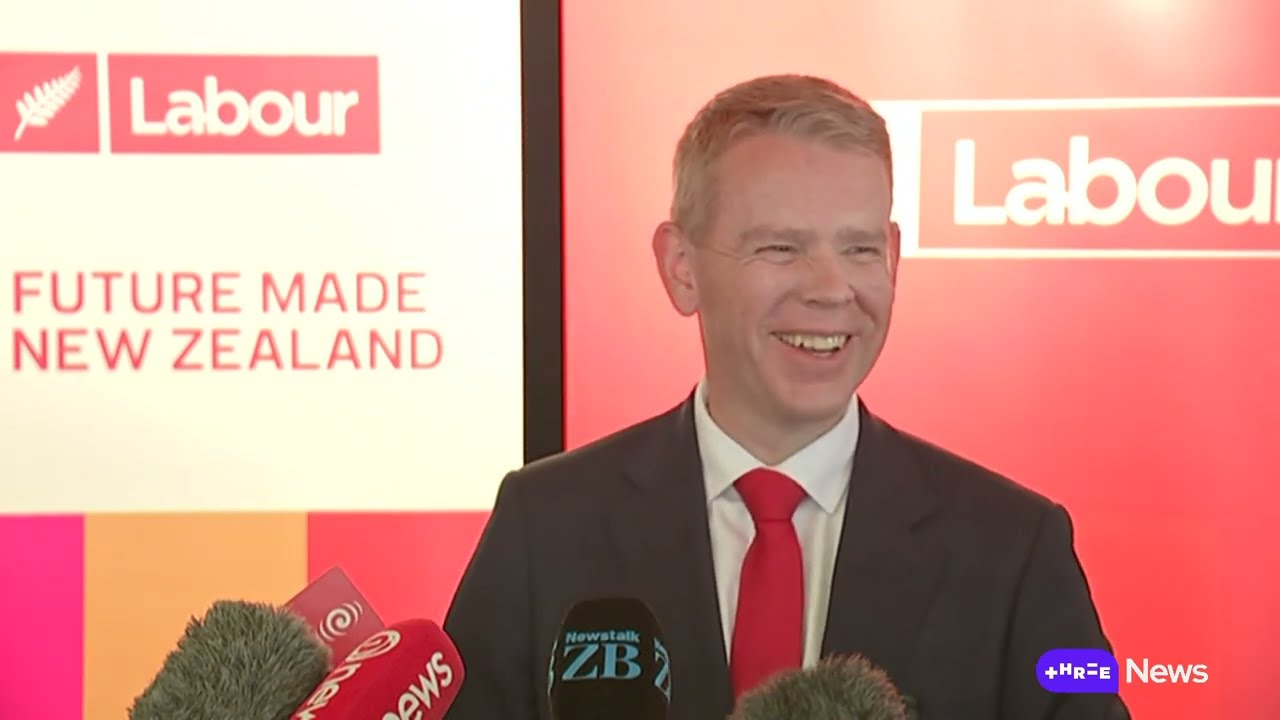
Several commentators noted that unpredictable polling environments can encourage political parties to refine their messaging and broaden their appeal. Parties may seek to strengthen support among undecided voters while retaining their core constituencies. This dynamic often results in greater policy competition and more intensive campaigning as elections approach.
Questions remain regarding whether current polling trends represent temporary fluctuations or longer-term changes in voter behaviour. Political scientists note that modern electorates often display greater volatility than in previous decades, with voters more willing to change allegiances between elections. This trend can make forecasting electoral outcomes increasingly difficult.
The poll also highlights the continuing importance of turnout and voter engagement. Analysts stress that election results depend not only on party support levels but also on whether supporters ultimately participate on election day. Campaign strategy, policy announcements, and major political events may therefore have significant effects in the months ahead.
Opposition and coalition parties alike are expected to study the findings closely as they prepare future policy announcements and communication strategies. Polling can influence political priorities, campaign planning, and resource allocation, even when parties publicly downplay its significance. As a result, surveys often shape political behaviour behind the scenes as much as they influence public debate.
For voters, the latest results reinforce the reality that New Zealand’s political landscape remains highly competitive. No party or bloc appears able to assume electoral success, and coalition negotiations could once again prove decisive. This uncertainty contributes to the perception of an increasingly open and dynamic political environment.
Political observers suggest that future polls will be watched closely for signs of emerging trends. However, they caution against drawing broad conclusions from any single survey. Economic developments, policy outcomes, international events, and campaign performance are all likely to influence public sentiment before the next election.
Ultimately, the latest polling underscores the fluid nature of New Zealand politics. With support distributed across multiple parties and coalition possibilities remaining open, the path to forming the next government remains uncertain. As parties continue competing for voter support, unpredictability may remain one of the defining characteristics of the political landscape.






