New Zealand Signals Tight Budget as Government Unveils Major Gas Transition Loan Scheme
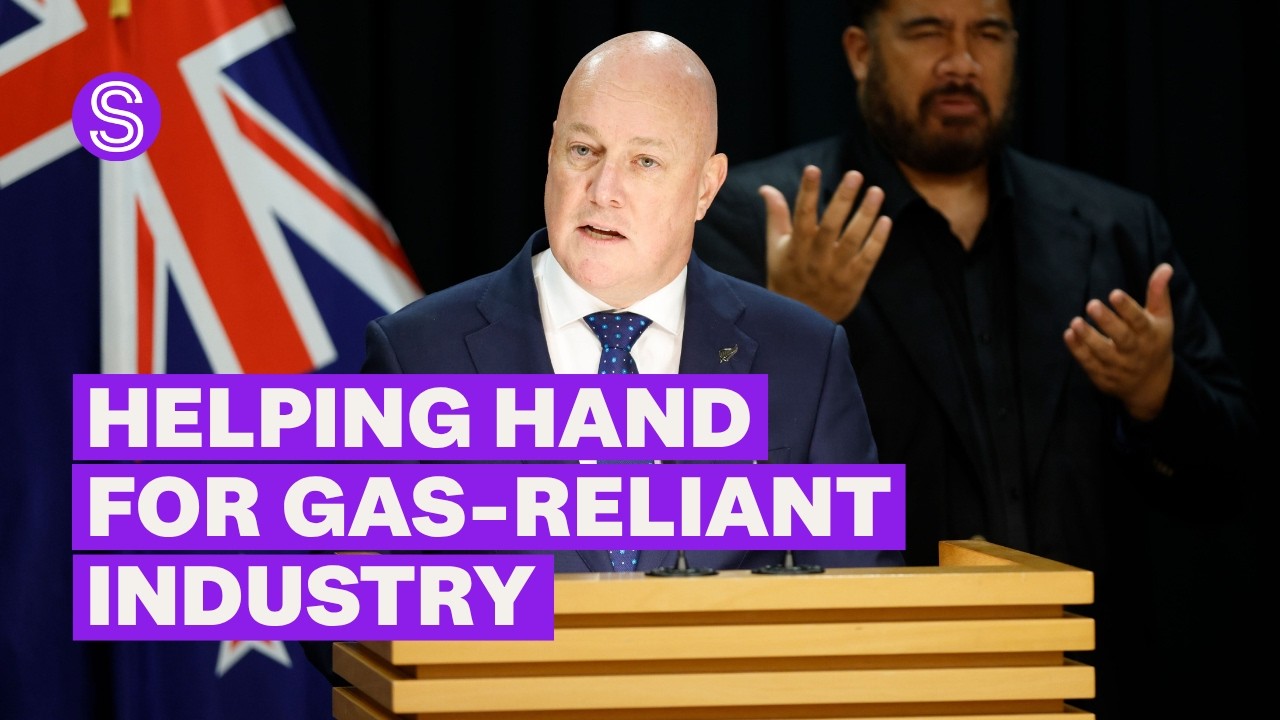
The New Zealand Government has moved to reassure businesses facing mounting energy pressures by announcing a new government-guaranteed loan scheme aimed at helping industries transition away from gas dependence. The initiative, revealed ahead of Budget 2026, arrives at a politically sensitive moment as manufacturers continue grappling with rising energy costs, uncertain supply conditions, and growing concern about the future of heavy industry across regional New Zealand.
Prime Minister Christopher Luxon signalled that this year’s Budget would remain fiscally restrained while still attempting to address what ministers describe as a long-term structural issue in the country’s energy market. The announcement follows increasing concern over the vulnerability of energy-intensive industries, particularly those operating in provincial regions already experiencing economic pressure.
The debate intensified following uncertainty surrounding two timber mills in Kaitaia, where approximately 200 jobs could be lost if a buyer is not secured. The Japanese owners of the mills cited weakening export demand alongside elevated energy costs as contributing factors behind the looming closures, placing additional political attention on the affordability and reliability of industrial power supply.
Government ministers argued that declining domestic gas supply has become a key driver behind increasing electricity prices and broader instability within the manufacturing sector. Officials framed the new lending initiative as both an economic support mechanism and part of a longer-term strategy to preserve remaining gas reserves for essential users.
Under the proposal, the Government will guarantee up to 80 percent of bank loans provided to businesses seeking to move away from gas-powered operations. Ministers said the arrangement is designed to encourage banks to offer lower interest rates while reducing the financial risk associated with large-scale industrial energy transitions.
The scheme is expected to support up to NZ$1.2 billion in lending, with individual businesses able to access loans of up to NZ$50 million. Budget documents indicate that NZ$48 million has been allocated to cover potential losses arising from the programme, although commercial banks will retain responsibility for assessing creditworthiness and setting final lending conditions.
The Government presented the initiative as a practical response to an increasingly constrained energy environment. Ministers argued that helping businesses electrify their operations would reduce exposure to fluctuating gas prices while supporting long-term economic resilience.
Opposition parties questioned whether the proposal could create additional pressure on New Zealand’s electricity infrastructure. Labour raised concerns that large industrial conversions may require significant upgrades to local grid connections, potentially transferring costs elsewhere in the energy system.
Labour MPs pointed specifically to businesses seeking to replace gas furnaces with electric alternatives. In some regions, they argued, the existing grid may not currently be capable of supplying the additional electricity demand required for large industrial sites without substantial investment.
Questions were also raised about whether those infrastructure costs could eventually contribute to higher electricity prices for households and smaller businesses. Government ministers rejected that suggestion, insisting that electricity prices would not rise as a direct result of the scheme.
The Prime Minister maintained that substantial electricity generation projects already underway would support future demand growth and help stabilise long-term supply. Ministers argued that the country’s energy transition would require coordinated investment across both generation and industrial infrastructure.
At the centre of the political dispute remains the longstanding argument over New Zealand’s gas supply constraints. Coalition ministers again criticised the previous Labour Government’s 2018 decision to ban new offshore oil and gas exploration permits, claiming the policy contributed to reduced investment and declining supply over subsequent years.
The issue carries added political complexity because New Zealand First leader Shane Jones was part of the Labour-led coalition government that supported the original policy announcement in 2018. During this week’s event, Jones acknowledged the political history surrounding the matter while defending the Government’s current approach.
Jones remarked that it was not the first time he had stood alongside a major gas-related announcement, highlighting how energy policy continues to dominate economic and regional development discussions across New Zealand. His comments reflected broader tensions inside Parliament over how the country should balance climate objectives with industrial competitiveness.
Political attention briefly shifted during the same media appearance after Labour leader Chris Hipkins responded to controversy surrounding a leaked internal media training recording involving Finance spokesperson Barbara Edmonds. The audio captured Labour MPs joking about whether they would rather fight a horse-sized duck or one hundred duck-sized horses.
The exchange attracted further attention after Edmonds referred to the Finance Minister as a “duck-faced horse” during the discussion. Hipkins acknowledged that the remark had been inappropriate and confirmed that Edmonds had apologised.
Although the incident appeared unrelated to the Budget itself, it added an unusual political distraction at the beginning of one of the Government’s most significant fiscal weeks of the year. Parliamentary observers noted that the controversy briefly diverted attention away from the broader debate surrounding energy policy and economic management.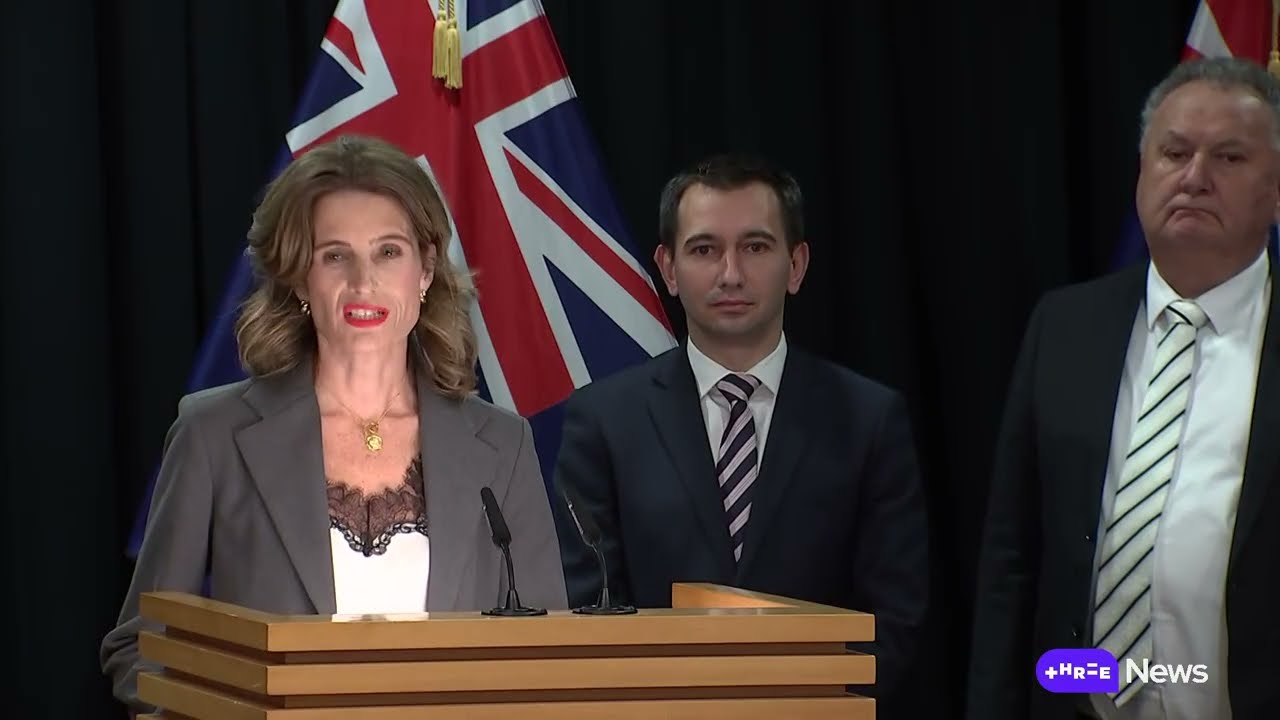
Government officials continued emphasising that Budget 2026 would focus on maintaining fiscal discipline while protecting New Zealand’s economic recovery. Ministers argued that targeted investment, rather than large-scale spending increases, would form the core approach of the Budget strategy.
The wider challenge facing the Government, however, remains balancing economic stability with rising pressure from manufacturers confronting escalating operational costs. For industries dependent on reliable and affordable energy, the debate over gas supply and electrification has become increasingly urgent.
As Budget week unfolds, the Government’s proposed loan scheme is likely to remain at the centre of political and industry discussion. While ministers present the initiative as a measured response to long-term energy pressures, questions surrounding infrastructure capacity, electricity pricing, and the future direction of New Zealand’s energy policy continue to attract close scrutiny from businesses, opposition parties, and economic observers alike.






