
The frustration across Australia has reached a boiling point. What began as a carefully crafted election campaign by Anthony Albanese and the Labor Party has now transformed into widespread public anger and accusations of broken trust. Many voters feel they were deliberately misled, and the calls for an early federal election are growing louder by the day.
Labor campaigned as a cautious, centrist government committed to protecting household budgets and delivering economic stability. Anthony Albanese repeatedly stood before the Australian people and assured voters there would be no major changes to negative gearing or capital gains tax. The message was simple and reassuring: “No surprises.” This promise was repeated across countless interviews, campaign rallies, and official party communications. It was designed to calm fears among investors, small business owners, and everyday Australians worried about further tax burdens during challenging economic times.
Then the election ended.
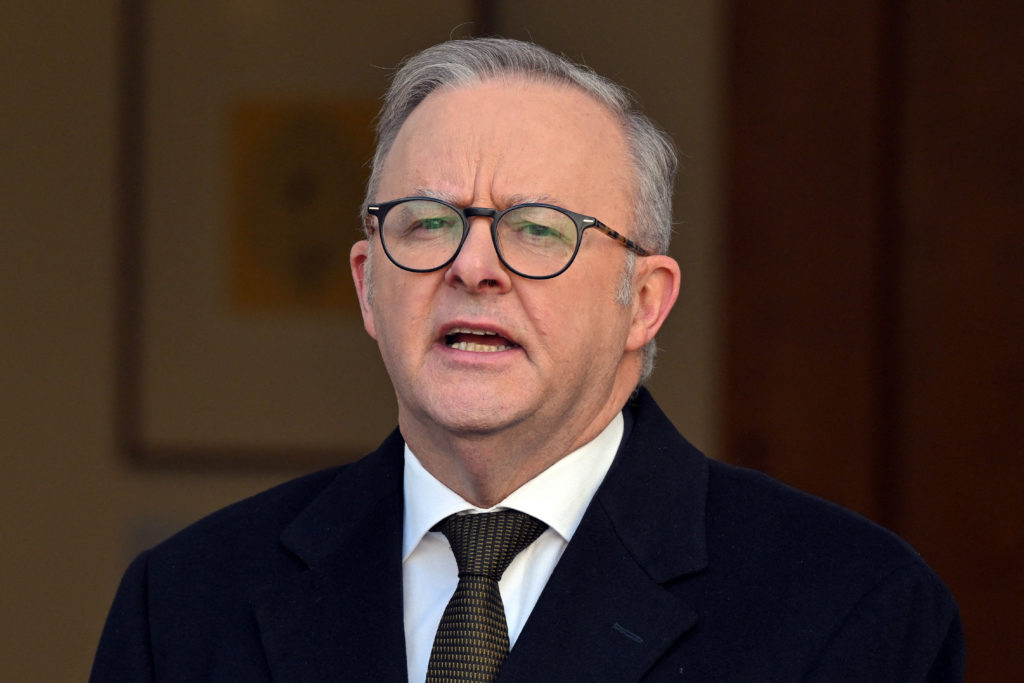
Almost immediately after securing victory, the same government unveiled sweeping tax reforms targeting investors, family trusts, businesses, and wealth creators across the country. The contrast between what was promised and what is now being delivered has left millions of Australians feeling deeply betrayed. The speed and scale of these policy shifts have shocked even some traditional Labor supporters who expected a more measured approach.
The government’s new tax measures go significantly further than many voters anticipated. Changes to negative gearing, adjustments to capital gains tax concessions, and increased scrutiny on family trusts have created uncertainty in the property market, small business sector, and among retirees who rely on investment income. Many Australians who voted Labor believing they would maintain economic stability now feel the ground has shifted beneath them.
This is not merely a policy disagreement. It is a fundamental breach of trust between the government and the people who elected them. When a political party makes clear, unambiguous promises during an election campaign and then reverses course shortly after winning power, it undermines the very foundation of democratic accountability. Australians have every right to ask whether they were deliberately deceived for electoral advantage.
The economic implications of these reforms are far-reaching. Property investors, who form a significant portion of Australia’s middle class, now face reduced returns and increased risk. Small business owners worry about higher compliance costs and reduced incentives for growth. Retirees and self-funded individuals dependent on investment income are concerned about their financial security in retirement. The flow-on effects could impact housing supply, rental markets, and overall economic confidence at a time when many households are already struggling with inflation and cost-of-living pressures.
Political commentators across the spectrum have been highly critical of the government’s approach. Even some within Labor’s own ranks have expressed private discomfort with the rapid shift in policy direction. The opposition has seized on this moment, accusing Albanese of misleading the Australian public and demanding answers about when exactly these tax changes were planned.
What makes this situation particularly damaging is the perception that the government knew these reforms were coming but chose to hide them during the campaign. This has fueled accusations of cynical political calculation — winning power first, then revealing the true agenda. Such tactics erode public faith not just in the current government, but in the political system as a whole.
The Australian public has shown remarkable patience through the challenges of recent years, including the pandemic and its economic aftermath. However, there comes a point when that patience wears thin. Many citizens now believe that point has been reached. The gap between campaign rhetoric and post-election reality has become too wide to ignore.
Calls for an early federal election are growing, not just from opposition parties but from ordinary Australians who feel their vote was obtained under false pretenses. While constitutional processes make an immediate election difficult, the political pressure on the Albanese government is intensifying. Public polling is reportedly shifting, with dissatisfaction over broken promises becoming a dominant theme in voter sentiment.

This controversy also raises deeper questions about trust in Australian politics. When voters can no longer believe what politicians say during election campaigns, the democratic process itself is weakened. Australians deserve honesty and consistency from their leaders, not carefully worded promises that are discarded once power is secured.
The government has attempted to defend its position by arguing that changing economic circumstances required a policy response. However, critics counter that if major tax reforms were always part of the plan, they should have been clearly communicated to voters before the election. Transparency, they argue, is not optional in a healthy democracy.
As the debate continues to rage across talkback radio, social media, and family dinner tables, one thing is becoming increasingly clear: Anthony Albanese and his Labor government are facing a serious crisis of credibility. The phrase “Okay, that’s enough” is being heard more frequently in public conversations, reflecting a growing sense that the current government has lost its mandate to continue without seeking fresh approval from the Australian people.
The coming weeks will be crucial. If the Albanese government cannot restore public trust and address legitimate concerns about its broken promises, the pressure for an early election may become irresistible. Australian democracy works best when governments remember that they serve the people — not the other way around.
The ball is now in Anthony Albanese’s court. Will he listen to the growing discontent, or will he continue down a path that risks further alienating the very voters who gave Labor its mandate? The answer to that question may well determine the political future of Australia for years to come.
One thing is certain: the Australian public is watching closely, and their patience is not unlimited. The longer this government ignores the clear message from voters, the stronger the demand for a federal election will become. Australia deserves better than broken promises and sudden policy reversals. It is time for Albanese to either honor his word or face the Australian people at the ballot box.






