In a move that has sent shockwaves through the European Union, Hungarian Prime Minister Viktor Orbán has signed a significant long-term gas agreement with Russia, securing Hungary’s energy supply for years to come. The bold decision has ignited fierce debate across Europe and highlighted the growing divide between national governments and the central authority in Brussels.
The agreement comes at a critical time when energy security remains one of the most pressing challenges facing the continent. By securing a stable and long-term supply of natural gas from Russia, Orbán has prioritised the immediate needs of Hungarian households and industries over the collective EU position on energy sanctions and diversification away from Russian sources.
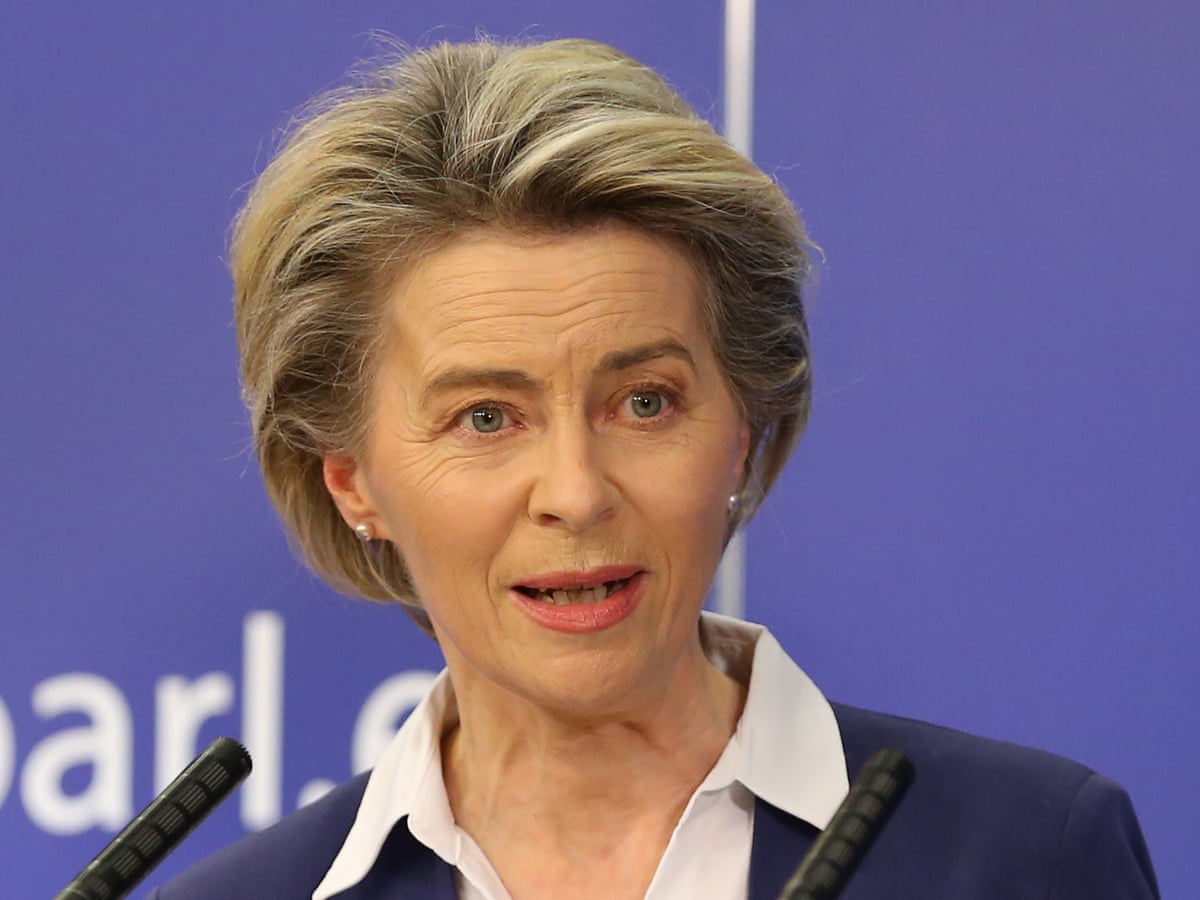
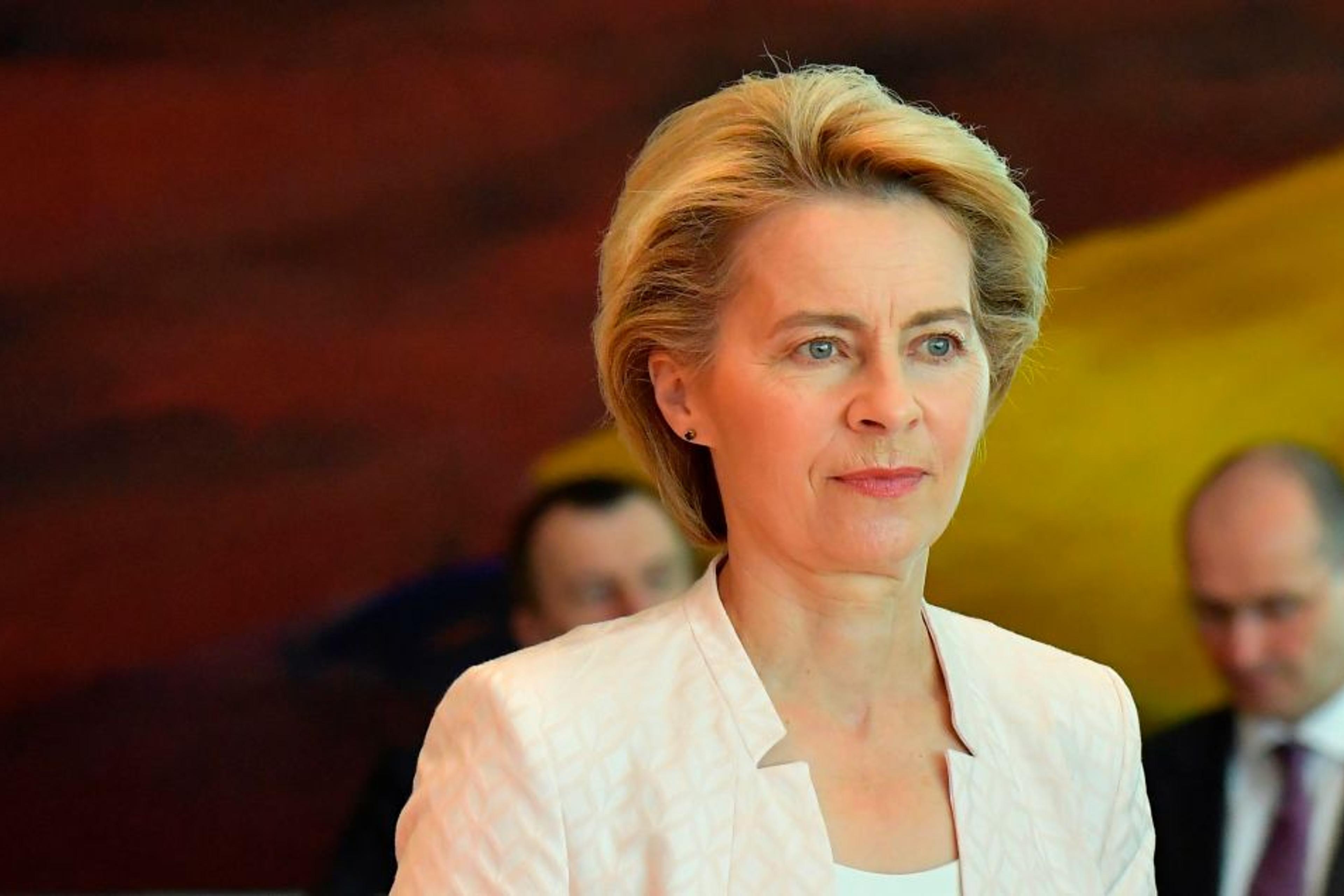
Ursula von der Leyen and senior European Commission officials are reportedly furious with the development. The deal directly challenges the EU’s efforts to present a united front on energy policy and has exposed the limits of Brussels’ influence over member states’ sovereign decisions. Insiders describe the mood in the Commission as one of frustration mixed with concern about the precedent this sets for other nations.
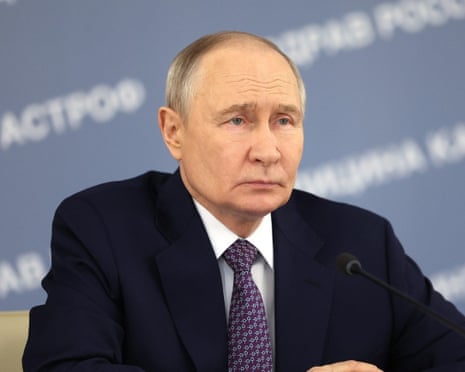
Orbán has defended the agreement as a purely pragmatic decision aimed at protecting Hungarian interests. In public statements, he emphasised that Hungary cannot afford to gamble with the livelihoods of its citizens by relying on uncertain alternative supplies during a period of global energy volatility. He argued that responsible governance requires putting national energy security first rather than following ideological positions from Brussels.
The deal highlights the deepening rift between the principles of national sovereignty and the push for greater EU centralisation. While the European Union was founded on cooperation between member states, critics argue it has increasingly evolved into a structure that seeks to override national interests in key strategic areas such as energy, migration, and foreign policy. Hungary’s latest move is seen by many as a clear assertion of sovereign rights.
Critics within the EU have labelled the agreement as a political provocation that undermines collective European efforts. They accuse Orbán of prioritising short-term gains over long-term European solidarity and weakening the bloc’s leverage in dealings with Russia. Some have called for stronger mechanisms to enforce compliance with EU energy policy across all member states.
However, supporters of Orbán’s decision point to the practical realities facing many European nations. Despite ambitious plans for renewable energy transition, Europe continues to require substantial volumes of natural gas to maintain industrial output and heat homes, especially during winter months. Hungary’s deal ensures price stability and supply security at a time when many other countries are struggling with high energy costs.
The agreement could have far-reaching implications for Europe’s energy politics and overall unity. It demonstrates that individual member states are increasingly willing to pursue independent paths when they believe EU policies do not serve their national interests. This trend could encourage other nations facing similar pressures to follow Hungary’s example in the future.
Energy security has become one of the defining issues of European politics in recent years. The war in Ukraine and subsequent sanctions have dramatically reshaped the continent’s energy landscape. While some countries successfully diversified their supplies, others continue to face challenges in finding reliable and affordable alternatives. Hungary’s deal with Russia reflects a pragmatic approach that acknowledges these difficult realities.
Orbán has long positioned himself as a defender of national sovereignty against what he describes as overreach from Brussels. His government has repeatedly clashed with the European Commission over issues ranging from migration to judicial reforms and now energy policy. This latest confrontation fits into a consistent pattern of resistance against perceived attempts to diminish the authority of national governments.
The European Commission faces a difficult balancing act. On one hand, it must try to maintain some semblance of unity on energy policy. On the other hand, it lacks effective tools to force member states like Hungary to abandon deals that they consider vital for their national security. This powerlessness further fuels criticism of the EU’s current governance structure.
For ordinary Hungarians, the deal brings welcome relief. Stable energy prices and guaranteed supply mean lower heating bills and greater certainty for businesses. In a time of economic uncertainty across Europe, such practical outcomes carry significant weight with voters and help explain Orbán’s enduring political support.
The international reaction has been mixed. Western European leaders have expressed disappointment and concern about the implications for European unity. Meanwhile, countries in Central and Eastern Europe have watched the situation closely, with some quietly expressing understanding for Hungary’s position even if they do not publicly endorse it.
This development also raises important questions about the future of European energy strategy. The ambitious green transition agenda has encountered numerous obstacles, including technological limitations, infrastructure challenges, and public resistance to higher energy costs. Nations like Hungary argue that a more flexible and pragmatic approach is necessary during the transition period.
The gas deal with Russia demonstrates the complex realities of geopolitics and energy interdependence. Despite sanctions and political rhetoric, economic necessities often drive decisions that defy simple narratives. Orbán has shown a willingness to navigate these complexities in pursuit of what he believes serves Hungary best.
As Europe continues to grapple with energy security challenges, Hungary’s decision may serve as a case study in the tension between collective goals and national interests. The coming months will reveal whether other countries follow a similar path or whether Brussels can reassert greater control over member states’ energy policies.
The agreement also carries symbolic importance beyond its immediate economic impact. It represents a clear statement that national governments still possess the sovereign right to make decisions in critical areas affecting their citizens. This assertion of sovereignty resonates strongly with many Europeans who feel increasingly disconnected from decision-making in Brussels.
Political analysts suggest that this episode could accelerate discussions about reforming the EU’s decision-making processes to better accommodate differing national circumstances. Greater flexibility and respect for sovereignty may be necessary to maintain the bloc’s long-term cohesion.
For Viktor Orbán, the deal represents another significant victory in his ongoing battle to protect Hungarian interests against external pressure. His willingness to make controversial decisions has solidified his reputation as a leader who prioritises his country above European consensus when necessary.
The broader implications for Europe’s unity remain to be seen. While some view the deal as damaging to collective solidarity, others see it as a necessary correction that acknowledges the diverse needs and circumstances of different member states. The debate is likely to intensify as more countries face similar energy challenges.
As the dust settles on this latest confrontation between Budapest and Brussels, one thing is clear: the relationship between national sovereignty and EU authority continues to evolve. Hungary’s gas deal with Russia has brought these tensions into sharp focus and forced a much-needed conversation about the future direction of the European project.
The coming years will test whether the European Union can accommodate strong national leaders like Viktor Orbán or whether the push for greater centralisation will lead to further fractures within the bloc. For now, Hungary has chosen a pragmatic path focused on securing its energy future, regardless of the criticism it may face from Brussels.






