In a move that has sent ripples through the corridors of global power, Canada has launched its most audacious geopolitical play in recent memory. By officially nominating General Jenny Carignan for Chair of the NATO Military Committee, Ottawa is signaling a fierce, unexpected departure from its traditional backseat diplomatic strategy.
The sudden announcement, heavily driven behind the diplomatic scenes by key strategic figures like Mark Carney, represents far more than a mere symbolic gesture of international participation. If successful, this bold nomination will inject a Canadian commander directly into the absolute nerve center of Western transatlantic defense and military coordination.
The Chair of the Military Committee stands as the highest professional military authority within the entire thirty-two-nation alliance, serving as the primary adviser to the civilian Secretary General. This individual is responsible for translating complex political decisions into actionable, synchronized military strategy across multiple volatile global theaters.
Should General Carignan secure the position during the upcoming selection process this September, it would mark the first time a Canadian officer has held this prestigious post since 2008. The strategic timing of this specific push is anything but a coincidence, occurring amidst deep structural tectonic shifts.
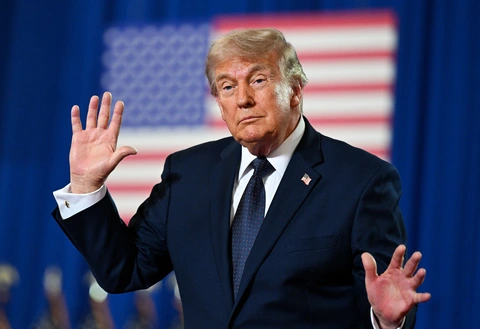
As political polarization intensifies within the United States, European allies are increasingly questioning the long-term sustainability of Washington’s foundational commitment to the collective defense treaty. In this vacuum of absolute certainty, middle powers like Canada are suddenly finding unique opportunities to step forward and assert unexpected leadership.
The underlying message emanating from Ottawa’s foreign policy establishment is remarkably clear: Canada is no longer content to remain on the comfortable sidelines of global security decision-making. Instead, the nation is actively seeking to shape the future architecture of global security at the highest possible levels.
This aggressive institutional play is deliberately designed to insulate Canadian interests from the unpredictable whims of future American administrations, including the transactional foreign policy doctrine favored by Donald Trump. By embedding itself at NATO’s strategic core, Canada secures an influential voice that Washington simply cannot ignore.
The geopolitical leverage gained from holding such a commanding position extends far beyond the confidential confines of military briefing rooms. Leadership within the alliance translates directly into significant economic power, opening lucrative doors for domestic defense contracts and highly advanced global technological partnerships across the continent.
In today’s fractured international landscape, a nation’s standing within military alliances is inextricably linked to its bargaining power in complex multilateral trade and economic negotiations. Ottawa clearly understands that to protect its sovereign interests, it must project hard institutional power where it matters most.
According to senior defense analysts interviewed by The New York Times, this nomination represents a calculated risk for a country historically criticized for underfunding its own domestic defense budget. For years, successive Canadian governments have faced intense scrutiny from allies for failing to meet the mandatory spending targets.
By presenting a highly qualified, battle-tested candidate like General Carignan, Canada is effectively shifting the narrative away from financial balance sheets toward strategic capability and intellectual leadership. It is a sophisticated attempt to purchase diplomatic credibility through high-level institutional service rather than raw defense spending.
General Carignan’s immaculate professional record makes her an incredibly formidable contender on the international stage, having previously commanded complex multinational missions in volatile regions like Iraq. Her reputation for sharp operational brilliance and steady, inclusive leadership has already earned her widespread respect across various European defense ministries.
However, the road to securing the Chairmanship will require a masterclass in delicate, behind-the-scenes diplomatic maneuvering over the coming summer months. Canada must build a broad, diverse coalition of support among European nations who may harbor their own distinct ambitions for the alliance’s top military post.
The traditional European powers, particularly France and Germany, will undoubtedly scrutinize Ottawa’s long-term willingness to increase its material contributions to Eastern European deterrence efforts. To win their crucial votes, Canadian diplomats will need to offer concrete assurances regarding future deployments and robust readiness capabilities.
Meanwhile, political observers in Washington are watching the Canadian campaign with a mix of quiet fascination and understated bureaucratic caution. While official Pentagon channels remain characteristically neutral, political strategists note that a Canadian chair could complicate unilateral American planning within the broader alliance framework.
The prospective independence of a Canadian-led Military Committee could provide a crucial diplomatic buffer for European allies seeking to maintain a unified, rule-based approach to international law. It offers a stabilizing alternative to the potentially disruptive “America First” rhetoric that frequently threatens to fracture Western solidarity.
Mark Carney’s prominent association with this geopolitical maneuver highlights a broader, more ambitious vision for Canada’s future role on the turbulent world stage. It suggests a growing recognition among the nation’s elite that economic prosperity cannot be separated from proactive, sophisticated global security management.
The evolving conflict in Ukraine and expanding security challenges in the Arctic circle have forced Ottawa to radically reassess its traditional defense assumptions. As a nation bordering three oceans, Canada’s vulnerabilities are growing exponentially in an era defined by aggressive, revanchist great power competition.

Securing the NATO Chairmanship would give Canada a direct, unmediated hand in designing the alliance’s specific operational plans for the high north. This region is rapidly becoming a dangerous flashpoint as both Russia and China increase their military footprint and commercial activities in melting polar waters.
The domestic political implications of this move within Canada are equally significant, presenting a rare point of potential consensus across a deeply divided parliamentary landscape. Both liberals and conservatives generally support a stronger, more respected Canadian presence within traditional Western international security institutions.
As the hot summer months progress, the intense lobbying efforts will shift to NATO headquarters in Brussels, where ambassadors will debate the future direction of their shared command. The selection process is notoriously opaque, relying heavily on consensus building and subtle diplomatic quid pro quo arrangements.
Canada’s strategy will likely emphasize its historic role as a reliable bridge-builder between the dominant American superpower and the diverse, multi-layered interests of the European continent. It is a familiar, comfortable diplomatic identity rewritten for a much more dangerous and unpredictable modern operating environment.
Critics, however, warn that Ottawa must be prepared to back up this high-profile bid with substantial, long-term financial investments in its own armed forces. They argue that holding the top chair without addressing systemic domestic procurement delays could ultimately expose Canadian defense policy as hollow.
Yet, the sheer audacity of the move has already altered perceptions of Canadian foreign policy in major capital cities around the globe. It demonstrates a newfound willingness to expend significant political capital and aggressively play the geopolitical chessboard rather than merely reacting to events.
The international community is watching closely to see if this ambitious gamble will pay off or if it will be sidelined by traditional European power blocks. Regardless of the final vote in September, Canada has officially signaled that its period of comfortable geopolitical hibernation is over.
The transformation of global alliances requires bold, decisive actors willing to assume immense responsibility when traditional leaders appear to falter or look inward. By thrusting General Carignan into the international spotlight, Canada is betting that competence and strategic positioning can overcome raw military scale.
The coming weeks will test the absolute limits of Canada’s diplomatic apparatus as it faces off against competing interests within the alliance structure. Every meeting, every casual conversation in Brussels will be a critical opportunity to secure the vital commitments needed for a historic victory.
For General Carignan herself, the nomination represents the pinnacle of an extraordinary military career dedicated to the service of her country and international stability. Her leadership style, forged in the crucible of modern conflict, may be exactly what a fractured NATO needs in these turbulent times.
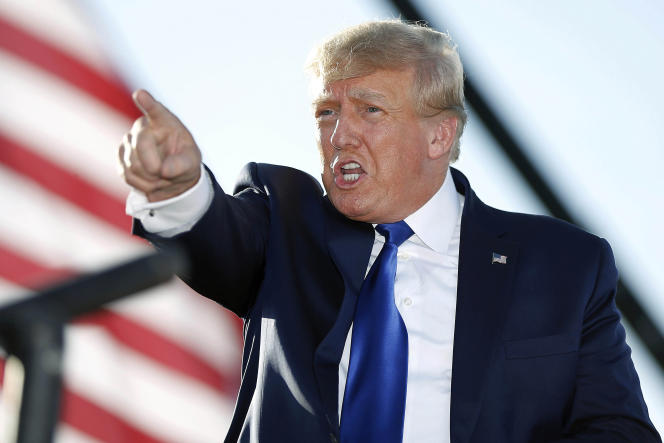
As the world edges closer to a defining historical crossroads, the quiet resolve displayed by Ottawa could serve as an inspiring blueprint for other middle powers. It proves that with clear vision and tactical precision, smaller nations can still exert profound influence over global destiny.
The definitive answer will arrive this September, but the narrative has already shifted irrevocably for the maple leaf on the global stage. Canada has made its high-stakes play, demonstrating that true leadership belongs to those who possess the courage to seize the moment without waiting for permission.






