Standing in a steady downpour north of Montreal, Prime Minister Mark Carney delivered a calculated message about Canada’s sovereign future in a global economy increasingly defined by trade hostilities. Rather than retreating under the latest wave of protectionist pressure from Washington, Carney utilized a critical mineral announcement to sketch an independent path forward.
The backdrop of the address was the groundbreaking of the Matawinie graphite mine in Saint-Michel-des-Saints, Quebec, a massive project fast-tracked by Ottawa’s new Major Projects Office. Expected to generate billions for the economy and scale up natural graphite production eightfold, the facility represents Canada’s aggressive bid to dominate the global green technology supply chain.
The timing of the announcement was highly strategic, arriving just twenty-four hours after the Trump administration abruptly suspended American participation in the Permanent Joint Board on Defense. The 86-year-old bilateral advisory body, established during World War II, was paused by the Pentagon under the pretext of insufficient defense spending by Ottawa.
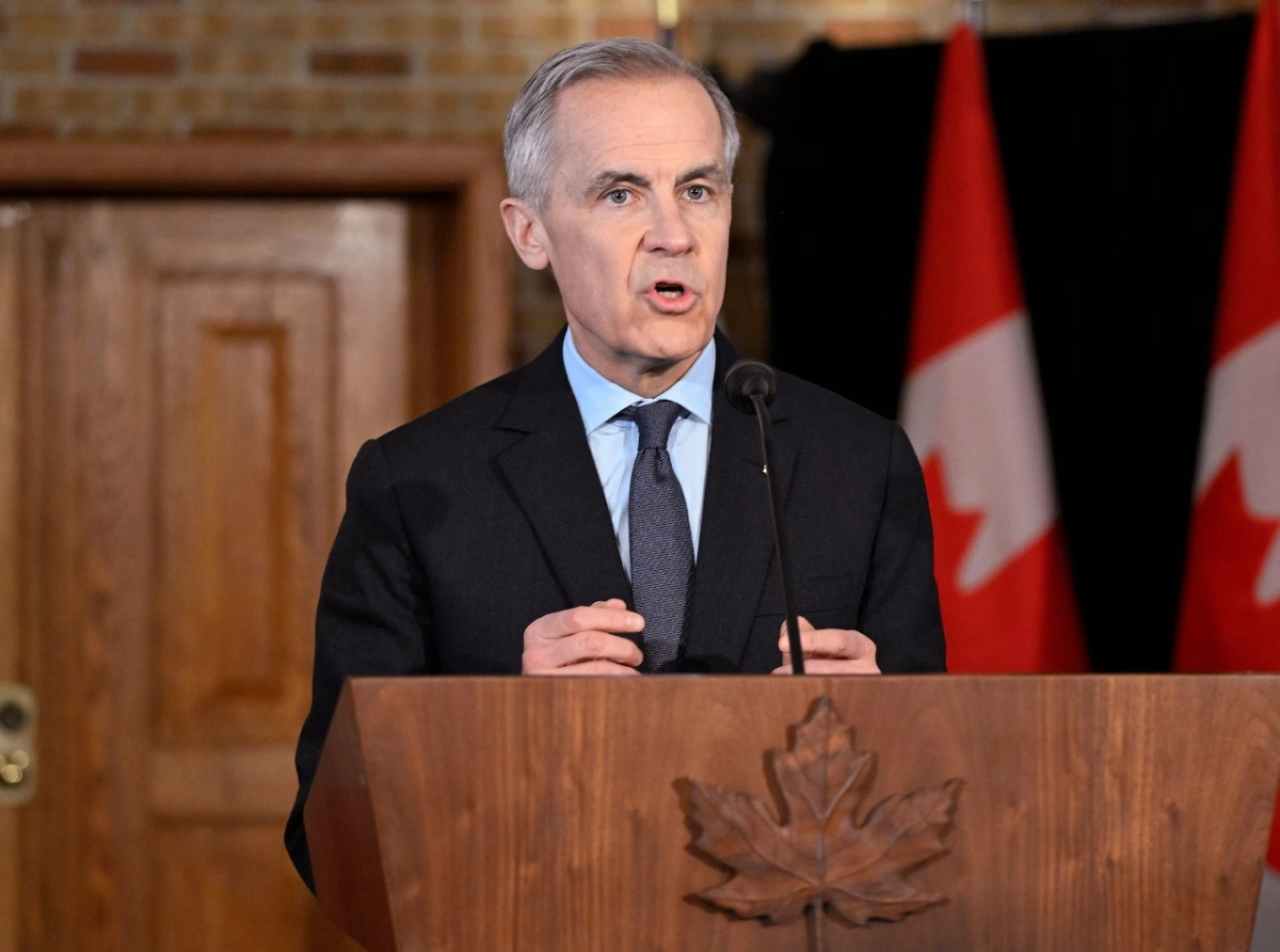
„We are masters of our own house. We can supply the minerals and the energies to countries that are battered by fears for their supply chains, and we are seizing that short window of opportunity today.” — Prime Minister Mark Carney, Saint-Michel-des-Saints
The diplomatic rupture follows months of escalating trade friction, including sweeping sectoral tariffs on Canadian steel, aluminum, and automotive parts, alongside provocative rhetoric from Washington regarding annexing its northern neighbor. The White House has consistently targeted Carney’s internationalist vision, mocking his multilateral approach to global governance.
Instead of matching the theatrical hostility emanating from Washington, the Prime Minister responded with an array of hard defense figures. He highlighted Canada’s massive 10-year, $500 billion defense modernization plan, which includes overhauling continental radar networks, upgrading Arctic outposts, and fulfilling commitments to NATO ahead of traditional schedules.
The ongoing defense dispute underscores a fundamental transformation in Canada-US relations under the current American administration, which has effectively transformed the continent’s landmark free-trade agreement into a highly volatile instrument. Canadian manufacturers now face an era where market access depends heavily on political compliance and economic concessions.
In response, Carney’s administration is executing a deliberate diversification strategy designed to reduce Canada’s overwhelming economic vulnerability to the American consumer market. Government data indicates that non-US exports are rising sharply, with trade officials projecting that commerce with European and Asian partners could double over the coming decade.
International confidence in Canada’s stability appears to be growing despite the continental friction, with foreign direct investment reaching its highest level in twenty years. Driven by global demand for critical resources like lithium, uranium, and graphite, capital inflows into Canada are currently pacing ahead of all other G7 economies.
The Matawinie mine project is the centerpiece of this broader effort to transform Canada into a clean energy and strategic industry superpower. By securing fifty-six international critical mineral agreements within a single year, Ottawa has positioned itself as a secure alternative supplier to an anxious Western alliance.
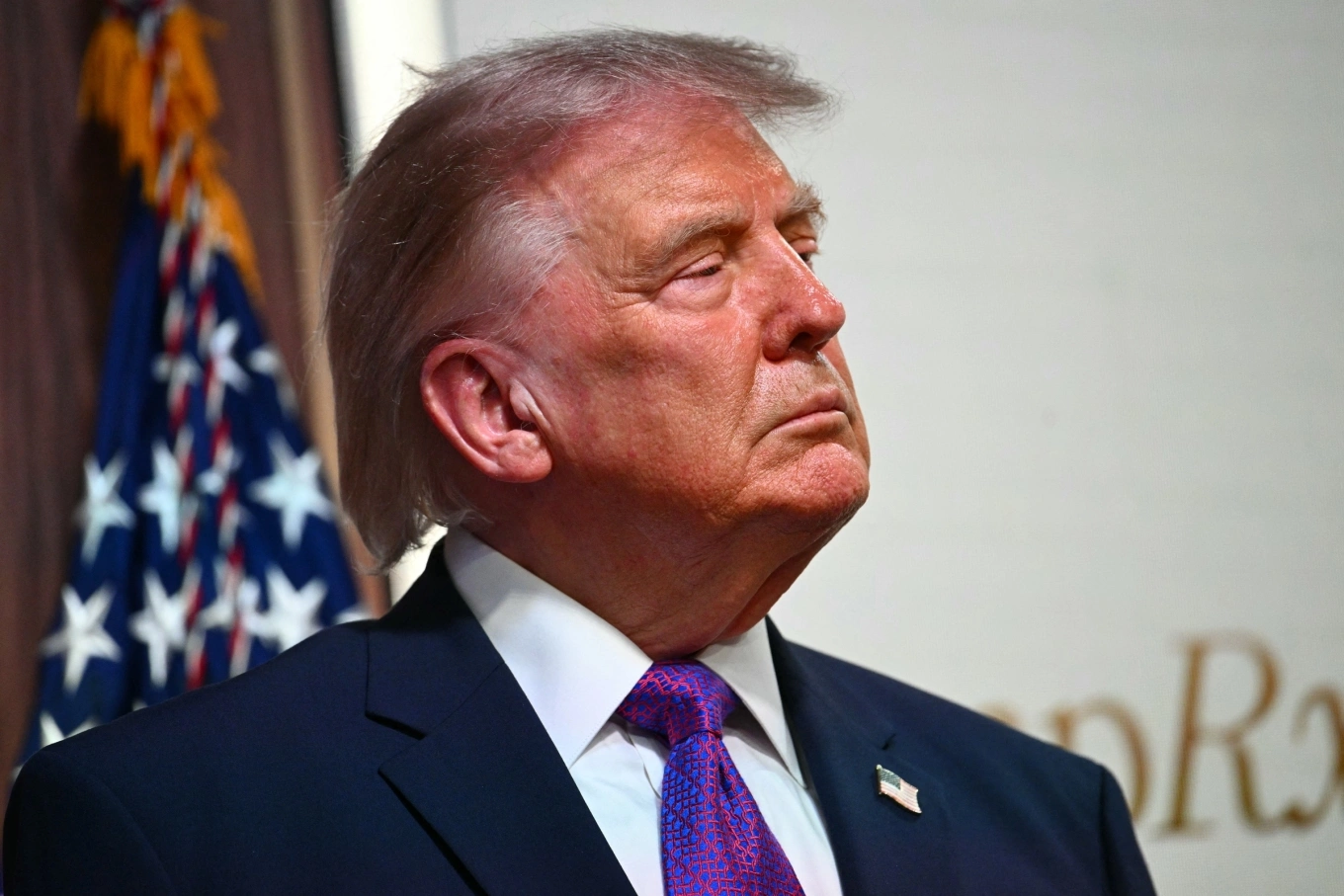
The political contrast between the two capital cities was visually and rhetorically stark during the press conference, which proceeded smoothly despite severe weather disruptions. While Washington relies heavily on unpredictable tariff threats and transactional diplomacy, Carney is projecting an image of long-term planning, infrastructure investment, and institutional resilience.
Domestically, the Prime Minister’s steadfast approach aims to reassure nervous business leaders, particularly in the Ontario automotive corridor and Quebec’s resource sector, who are highly exposed to border disruptions. By expanding state support and streamlining approvals, the federal government seeks to build an internal economic shield.
Independent analysts observe that the ongoing friction represents a permanent systemic shift rather than a temporary diplomatic disagreement between neighbors. The assumption that Canada could permanently rely on the American security umbrella and unrestricted free trade without experiencing severe political interference has effectively been shattered.
The fast-tracking of the industrial project in Quebec demonstrates how Ottawa is attempting to weaponize its regulatory process to match the rapid pace of global economic competition. Bringing four federal departments together to secure financing and permits within six months reflects a wartime-like mobilization of state apparatus.
Furthermore, the integration of indigenous communities, including the Atikamekw of Manawan, into the project’s ownership structure highlights a domestic governance model that stands in sharp contrast to the deregulation trends seen south of the border. Carney framed this collaborative approach as essential for ensuring long-term corporate legal certainty.
Skeptics argue that doubling non-US exports is a monumental task that cannot easily offset the immediate economic pain caused by American border restrictions. The deeply integrated supply chains of North America mean that any persistent friction at the border will inevitably inflict inflationary pain on Canadian consumers.
The administration’s strategic pivot is also testing the limits of Canada’s domestic consensus, as regional leaders debate the appropriate balance between resource extraction and environmental protections. Balancing the rapid development of the critical minerals sector with ambitious climate targets remains an intricate political tightrope for the Liberal government.
International observers suggest that the open division between Washington and Ottawa potentially creates strategic vulnerabilities that hostile foreign actors could exploit. The closure of vital maritime trade routes elsewhere in the world makes continental solidarity more critical than ever, rendering the defense board pause particularly poorly timed.
Carney’s performance in Quebec was widely interpreted by political commentators as an unofficial launch of a more combative stance against American economic bullying. By directly challenging the narrative that Canada is a security freeloador, the Prime Minister is seeking to rally national sentiment ahead of crucial trade reviews.
The strategy hinges on the global race to reduce industrial dependence on supply chains dominated by China, which currently controls nearly eighty percent of the world’s natural graphite. If Canada can successfully position itself as the primary democratic alternative, its geopolitical leverage will expand significantly.
The administrative success of the new Major Projects Office will be critical to determining whether Canada can truly capitalize on its current window of opportunity. Historically, large-scale infrastructure and mining developments in the country have been mired in decades of legal challenges and bureaucratic delays.
The economic stakes are particularly high for Canada’s traditional manufacturing sectors, which are struggling to adapt to the rising era of state capitalism and protectionist trade blocs. Carney’s industrial policy represents a significant departure from laissez-faire economics, embracing heavy government intervention to secure supply chains.
Despite the high-stakes political drama, everyday citizens remain primarily focused on immediate domestic pressures, including housing affordability and the rising cost of living. The challenge for the administration will be translating abstract macroeconomic victories into tangible economic relief for working-class households across the country.
The defense sector modernization plan will require sustained fiscal discipline and public support, especially as resources are diverted from social spending to military procurement. Convincing a historically pacified public of the necessity of half a trillion dollars in defense expenditures remains an uphill battle.
The immediate future of Canada-US relations will likely be characterized by persistent volatility, with minor diplomatic disagreements risking sudden economic retaliation from a highly personalized White House. Canadian trade diplomats are maintaining constant engagement with American state governors to mitigate fallout from Washington’s edicts.
As global instability continues to reshape traditional alliances, Canada’s evolving role as a reliable resource superpower could redefine its position within the Western alliance. The transition from a dependent trading partner to an assertive economic actor is fraught with risk, but federal officials insist there is no alternative.
The rhetoric coming out of the Quebec groundbreaking indicates that Ottawa is prepared for a prolonged period of strategic competition and economic decoupling from its southern neighbor. The coming months will test whether Canada’s institutional strength can withstand the intense pressure of a changing global order.
Ultimately, the wet press conference near Saint-Michel-des-Saints may be remembered as the moment Canada officially abandoned its traditional diplomatic deference. Faced with an unpredictable superpower at its doorstep, the nation is attempting to forge a destiny anchored in global diversification and domestic industrial sovereignty.
The path Carney has charted requires navigating unprecedented geopolitical crosscurrents while maintaining domestic economic cohesion under intense external pressure. Success would validate Canada’s capacity to operate as a truly independent middle power, capable of securing its interests on the global stage without external permission.
For a deeper understanding of how public institutions adapt to changing legal frameworks and localized economic challenges, a comprehensive analysis of international regulatory history offers vital clarity. Examining historical structural reforms reveals how modern public sector administration continues to evolve under pressure.
This framework provides important historical context on how legislative structures adapt during periods of governance transition, mirroring the structural institutional shifts currently facing modern commonwealth administrations worldwide.






