Australian politics has been thrown into heated debate after a senior discrimination official defended workplace protections linked to pregnancy in cases involving individuals who identify as women, triggering confusion and sharp criticism during Senate questioning.
The exchange took place during a Senate Estimates hearing in Canberra involving the Australian Human Rights Commission, where senior officials were pressed on how current laws apply to modern gender identity scenarios.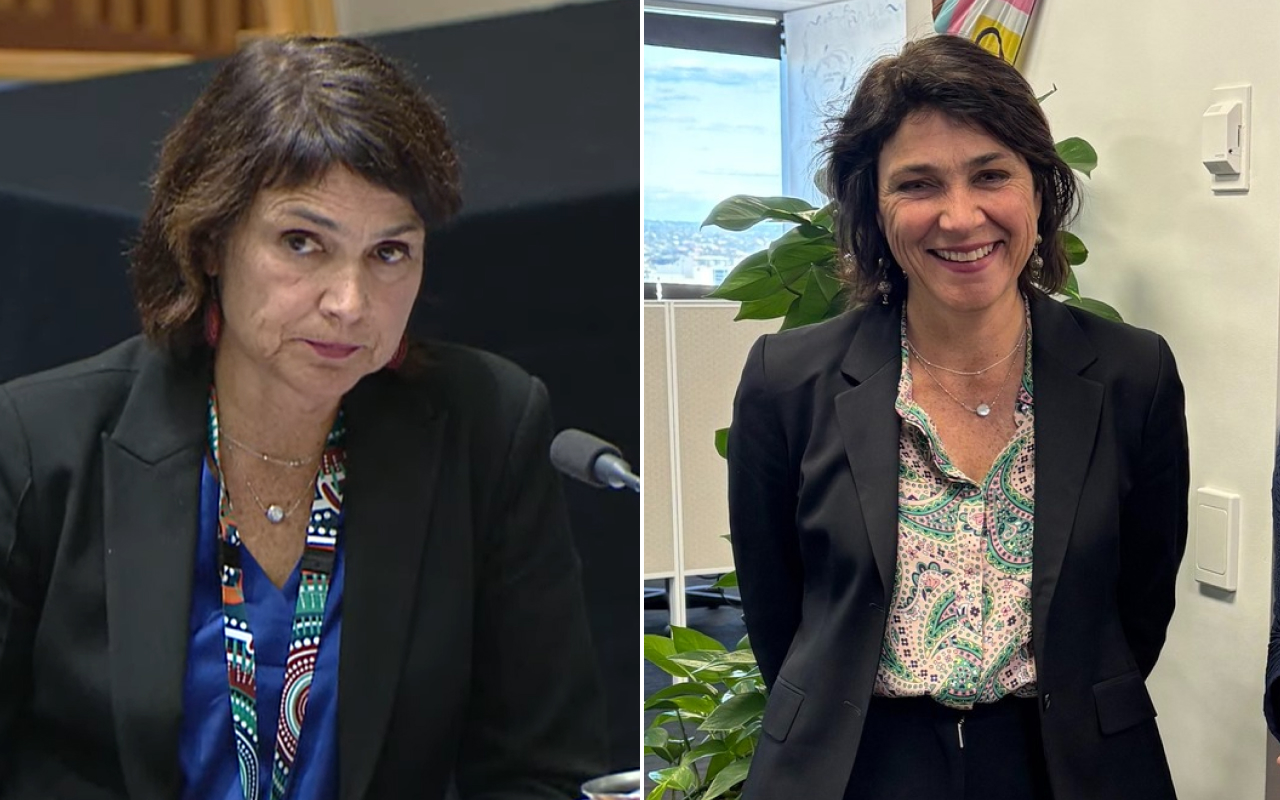
The discussion quickly escalated into one of the most talked-about moments of the session, with lawmakers questioning whether existing legal frameworks are being interpreted too broadly.
At the centre of the controversy was Commissioner Dr Anna Cody, who was questioned intensively about how discrimination protections are applied in workplaces involving pregnancy-related claims.
Senator Michaelia Cash led the line of questioning, challenging the logic of applying pregnancy-related safeguards in cases involving individuals who are biologically male but identify as female.
The senator repeatedly asked how such protections could be relevant in circumstances where pregnancy is biologically impossible for one of the parties involved.
Officials responded that the legal concept of pregnancy protection extends beyond actual pregnancy and can include “potential pregnancy” as part of anti-discrimination safeguards.
That explanation immediately triggered further questioning and visible frustration from the senator, who argued that the interpretation appeared inconsistent with biological reality.
The hearing also revisited broader legal interpretations of gender identity in recent court decisions, including cases that have influenced how the term “woman” is applied under Australian discrimination law.
One referenced case involved a Federal Court ruling that supported a broader interpretation of gender identity in the context of access to women-only services and platforms.
Officials from the commission argued that legal definitions have evolved to reflect contemporary understandings of identity and inclusion, rather than being strictly tied to biological categories.
However, critics in the chamber argued that such interpretations are creating confusion in workplace law, particularly around areas traditionally linked to biological processes such as pregnancy.
Dr Cody reiterated during questioning that protections exist to prevent unfair treatment based on pregnancy status or the possibility of pregnancy, depending on workplace circumstances.
When pressed further on how that applies in cases involving individuals who cannot biologically become pregnant, the exchange became increasingly tense.
Senator Cash challenged the reasoning directly, suggesting that the application of such protections in these cases does not appear logically consistent.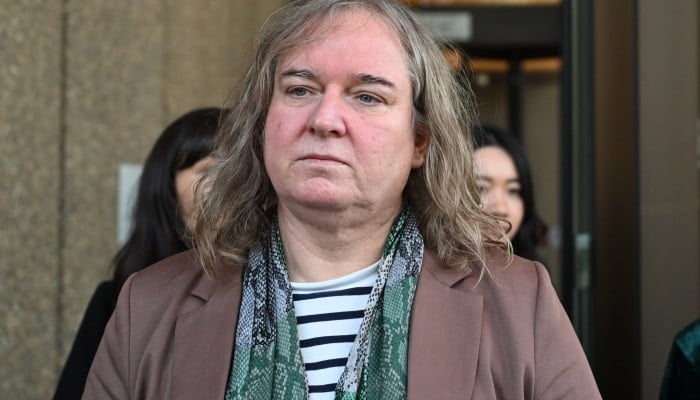
Officials maintained that the legal framework is designed to prevent discriminatory behaviour by employers, regardless of how complex or unusual the circumstances may appear.
The hearing then broadened into a wider discussion about how discrimination law is interpreted in relation to gender identity and workplace rights across Australia.
Attention also turned to the structure and responsibilities of the commission itself, with questions raised about how policies are developed and applied in sensitive areas of law.
Critics argued that current interpretations may be stretching legal definitions beyond their intended scope, while supporters insisted the approach reflects modern equality principles.
The debate comes amid ongoing national discussion about how Australia balances traditional biological definitions with evolving legal recognition of gender identity.
Observers noted that the exchange highlighted a growing divide between lawmakers and regulatory bodies over how anti-discrimination protections should be applied in practice.
The hearing also revisited previous statements made by Dr Cody regarding healthcare access for young people experiencing gender-related distress, adding further context to the political tension surrounding the issue.
Those earlier remarks had already attracted public debate, particularly around the role of medical intervention and the responsibilities of government agencies.
As the session concluded, neither side appeared to shift its position, with both officials and senators maintaining firm interpretations of the law.
The incident has since fuelled wider political commentary, with analysts suggesting the issue is likely to resurface as Australia continues to debate the boundaries of discrimination law and gender recognition policy.
For now, the exchange stands as one of the most contentious moments of the parliamentary session, highlighting deep divisions over how modern legal frameworks should define identity, fairness, and workplace protection in an evolving society.






