The Erosion of Independence: Senator Murray and Attorney General Bondi Clash Over DOJ “Purges” and Victim Funding
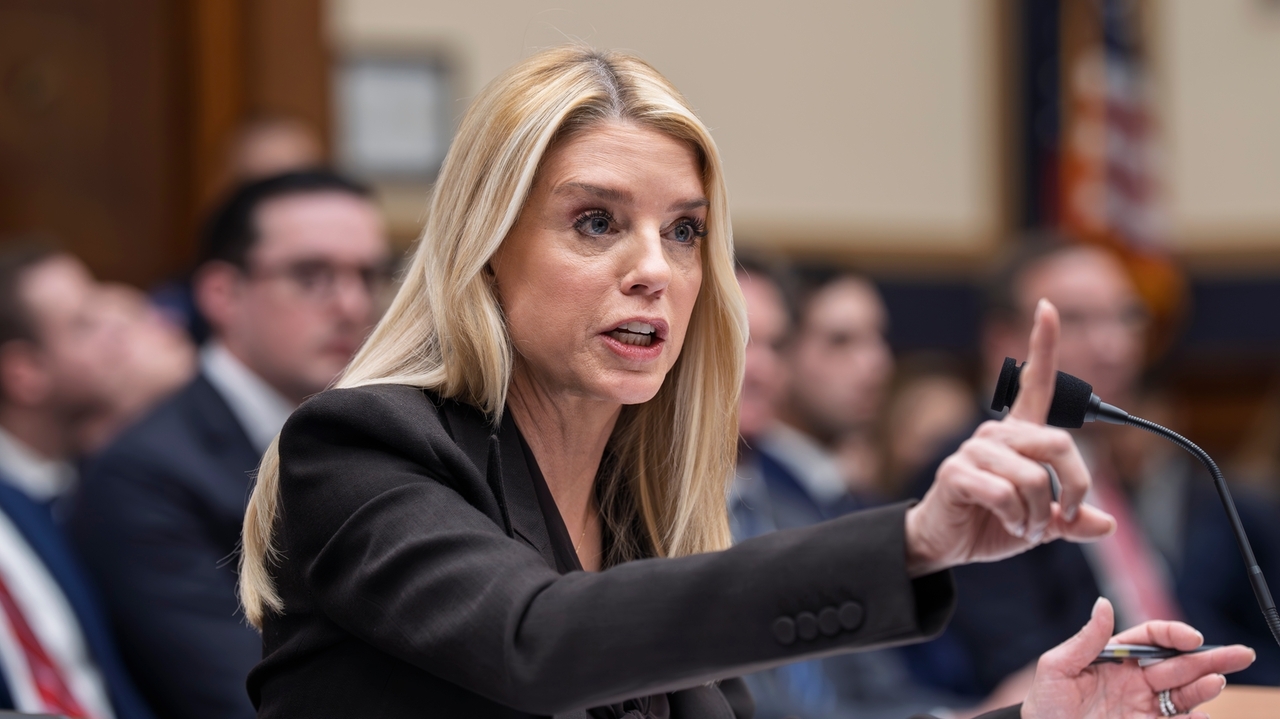
WASHINGTON — In a Senate hearing room that fell into a heavy, expectant silence, a fundamental dispute over the mission of the American justice system erupted this week. Senator Patty Murray (D-WA) confronted Attorney General Pam Bondi over a “troubling pattern” of decisions that critics allege have compromised the Department of Justice’s independence and gutted support for victims of violent crime.

The oversight hearing, which was intended to review the Department’s budget, quickly transformed into a visceral debate over whistleblower allegations, the abrupt cancellation of hundreds of public safety grants, and the potential dismantling of the Office on Violence Against Women (OVW).
Whistleblowers and “Lack of Candor”
The tension peaked when Senator Murray addressed a recently filed protected whistleblower complaint from a former DOJ attorney. The complaint contains explosive allegations against senior leadership, accusing them of defying court orders through “deliberate delay and disinformation” and retaliating against those who sought to tell the truth.
When pressed to confirm that the Department would not allow such conduct to continue, Ms. Bondi’s response was a sharp departure from traditional institutional defense. Rather than addressing the alleged behavior, she launched a vigorous defense of the individuals accused in the complaint, describing them as people she would “run through a wall for.”
“I will always support and defend them,” Ms. Bondi stated, refusing to answer whether she would permit the specific conduct alleged in the whistleblower filing. The exchange highlighted a growing concern among lawmakers that personal loyalty within the Department is beginning to supersede the objective rule of law.
The “Senseless” Cancellation of Grants
Senator Murray further challenged the Attorney General on the “abrupt” termination of over 300 public safety grants. These funds, which had already passed a rigorous and apolitical application process, were earmarked for critical services, including investigations into drug trafficking and support for foster children who have experienced abuse.
Most striking was the revelation that the DOJ had cut funding for “Sexual Assault Forensic Examination” grants—the very programs that allow local authorities to gather DNA evidence to prosecute rape. When asked if she was aware of the impact of these cuts, Ms. Bondi admitted she had “no idea” about that specific grant, though she offered to “personally look at it” if the Senator brought the details to her office.
“These senseless cancellations have already forced public safety organizations to cut employees and services,” Senator Murray noted. “Were you aware this funding is used to prevent and reduce violent crime?”
A Violation of the Law?
The confrontation concluded with a debate over the structural future of the Office on Violence Against Women. Ms. Murray pointed out that in 2002, Congress codified the office as a permanent, separate, and independent entity to ensure that crimes against women received dedicated expertise and resources.
The DOJ’s current proposal to consolidate the OVW into the broader Office of Justice Programs (OJP) is viewed by many as a direct violation of that law. Ms. Bondi defended the move as a way to “streamline” operations, while Senator Murray warned that “fading” the office into a larger bureaucracy would place new barriers in front of victims seeking help.
“I will follow the law, but I will not keep that as a separate grant entity,” Ms. Bondi asserted, a statement that Senator Murray suggested was a contradiction in terms. “You and I can disagree all day long on what the law is.”
A Pattern of “Trampling Rights”
As the hearing adjourned, the questions left on the record suggested a Department of Justice in the midst of a radical identity shift. From the detention of elected officials for conducting oversight to the “chilling” allegations of a whistleblower purge, the picture painted by the day’s testimony was one of an agency increasingly focused on internal consolidation at the expense of its public-facing mission.
For Senator Murray and her colleagues on the Appropriations Committee, the stakes extend beyond the halls of the Senate. If forensic exams for sexual assault victims go unfunded and independent oversight offices are dismantled, the impact will be felt in every community that relies on the federal government to be an impartial arbiter of justice. The “explosive” nature of the hearing was not just a result of political friction, but of a growing realization that the guardrails intended to protect the most vulnerable are being dismantled from the top down.






