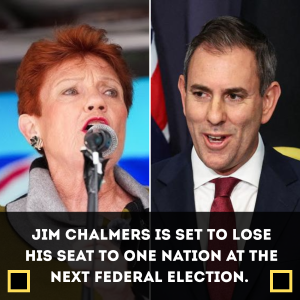
Pauline Hanson has once again sparked major political debate after delivering strong criticism of Australia’s migration levels and foreign ownership laws, arguing that both are placing unsustainable pressure on everyday Australians already struggling with the housing crisis.
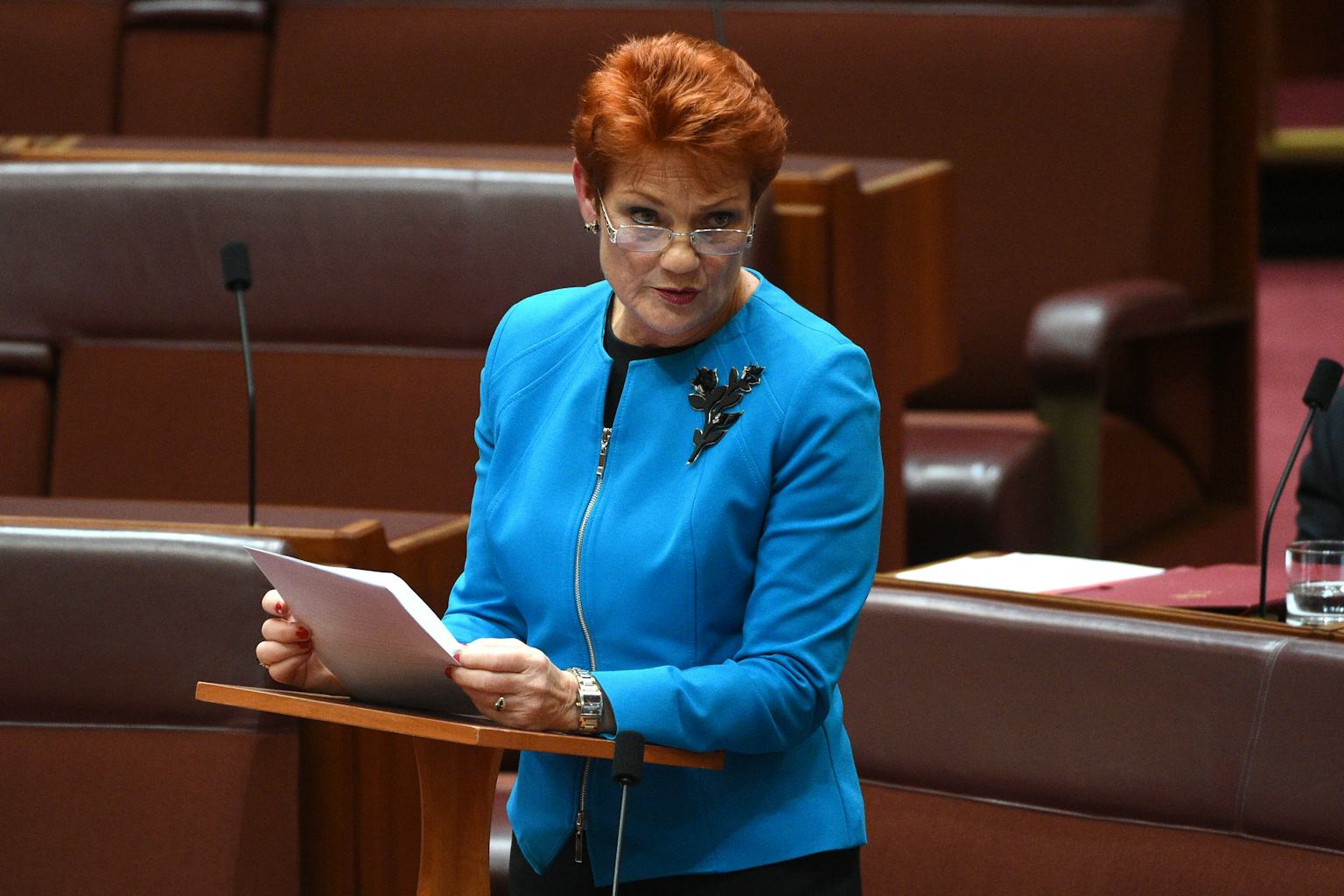
Speaking about rising housing costs and rental stress across the country, the One Nation leader claimed that record migration levels are worsening affordability pressures at a time when many Australians feel locked out of the property market.
According to Hanson, net overseas migration reaching close to 500,000 people annually has intensified competition for housing in major cities and regional areas alike.
She pointed out that this figure effectively represents thousands of new arrivals every week while vacancy rates remain extremely tight and housing supply struggles to keep pace with demand.
“Housing should first serve Australians,” Hanson argued, saying many families now feel home ownership is moving further out of reach.
The comments quickly reignited one of Australia’s most politically sensitive debates: the relationship between migration, population growth, and housing affordability.
Supporters of Pauline Hanson’s One Nation praised Hanson for addressing concerns they believe major parties have been reluctant to confront openly.
Critics, however, accused her of oversimplifying a complex housing crisis driven by multiple factors including supply shortages, planning delays, infrastructure constraints, investor activity, and interest rates.
In addition to migration levels, Hanson also strongly criticized foreign ownership of Australian residential property and farmland.
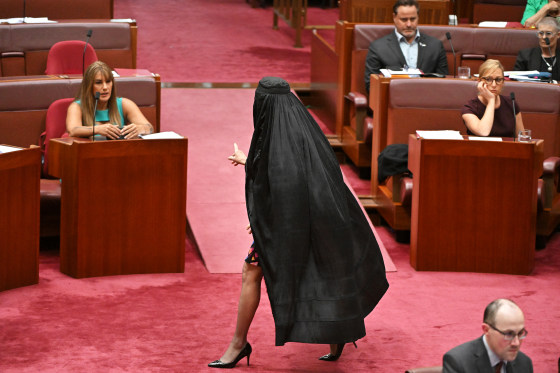
She called for a complete ban on foreign investors purchasing homes and productive agricultural land, arguing that strategic national assets should remain under Australian ownership.
According to Hanson, allowing foreign investment into housing markets has contributed to price inflation and increased pressure on younger Australians attempting to enter the property market for the first time.
She also warned that foreign ownership of farmland raises long-term concerns about national sovereignty, food security, and economic independence.
The issue has long been a core focus of Hanson’s political messaging, particularly around themes of national control and economic nationalism.
Political analysts say the timing of her comments is significant.
Housing affordability and cost-of-living pressures have become dominant issues in Australian politics, especially as rents continue rising and younger voters increasingly express frustration over declining access to home ownership.
Migration policy has similarly become one of the country’s most divisive political topics.
Business groups and some economists argue migration is essential for economic growth, workforce shortages, and supporting industries facing labor gaps.
Others believe current migration settings are outpacing Australia’s ability to build housing and infrastructure quickly enough.
The debate has intensified pressure on the government of Anthony Albanese, which continues facing criticism over both housing affordability and migration management.
Opposition parties and smaller political movements are increasingly attempting to position themselves as defenders of struggling households facing rising living costs.
Meanwhile, economists remain divided over how much migration alone contributes to housing price growth compared with broader structural factors.
Despite the controversy, Hanson’s remarks generated massive online engagement, with thousands of Australians debating whether stricter migration and foreign ownership policies would genuinely improve affordability.

Some Australians expressed support for tighter controls, arguing that housing should primarily benefit citizens and long-term residents.
Others warned that aggressive restrictions could damage investment confidence and oversimplify deeper structural problems within the housing market.
What remains clear is that immigration, housing affordability, and national ownership of assets are likely to remain central political battlegrounds in Australia for the foreseeable future.
And once again, Pauline Hanson has succeeded in pushing those issues directly back into the national spotlight.