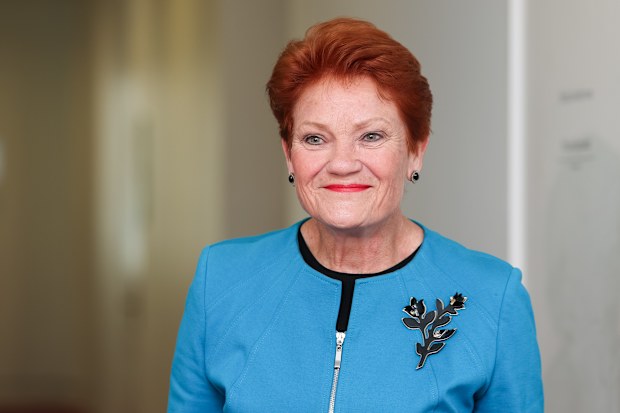
Pauline Hanson has announced a bold plan to overhaul the ABC if One Nation gains power. She says she would immediately pull the $1.3 billion in taxpayer funding and force the national broadcaster to operate on a subscription model. This dramatic proposal has ignited fierce debate across Australia and highlights growing frustration with the national broadcaster’s perceived bias and high cost to taxpayers.
The One Nation leader made her position crystal clear. Australian taxpayers should no longer be forced to fund a broadcaster that many believe has lost touch with ordinary citizens. Instead, the ABC would need to compete in the marketplace like other media outlets, surviving on voluntary subscriptions from those who value its content.
However, Hanson made one clear exception — ABC regional radio. “They do their job,” she stated, acknowledging the important role regional radio plays in delivering news and information to remote and rural communities where commercial alternatives are limited. This distinction shows the proposal is targeted rather than a blanket attack on all ABC services.
The plan has sparked intense reactions from both sides of politics. Critics have labelled it an attack on public broadcasting and an attempt to silence independent journalism. They argue that the ABC provides essential services that commercial media cannot or will not replicate, particularly in regional areas and during emergencies.

Supporters, however, argue it’s long overdue. For years, many Australians have complained about what they see as systemic bias in the ABC’s coverage of politics, climate, immigration, and cultural issues. They believe taxpayers should not be forced to fund content that often appears to push a particular ideological agenda rather than deliver balanced, impartial reporting.
At a time when many households are struggling with cost of living pressures, energy bills, and housing costs, the idea of continuing to spend $1.3 billion annually on the ABC has become increasingly difficult to justify for many voters. Hanson’s proposal taps directly into this sentiment, positioning One Nation as the party willing to make tough decisions on government spending.
The subscription model would fundamentally change how the ABC operates. Instead of relying on guaranteed taxpayer revenue, the broadcaster would need to produce content that audiences are actually willing to pay for. This market discipline could force greater accountability and responsiveness to viewer and listener preferences.
Regional radio’s exemption is a smart political and practical move. Many rural Australians rely heavily on ABC radio for weather, emergency alerts, and local news. By protecting this service while targeting the main television and online operations, Hanson avoids alienating a key demographic while still delivering on her core promise of reducing waste.
The ABC has long been a source of controversy in Australian politics. Accusations of left-leaning bias have persisted for decades, with numerous reviews and complaints highlighting issues with balance and editorial standards. One Nation’s proposal represents the strongest challenge yet to the broadcaster’s current funding model.
Critics warn that moving to subscriptions could reduce the ABC’s ability to serve diverse and minority audiences. However, supporters counter that the current system already fails many Australians who feel their views are not represented or are actively opposed by the broadcaster’s content.
This policy fits into One Nation’s broader platform of government efficiency and putting Australian taxpayers first. Hanson has consistently argued that hard-working families should not be forced to subsidise institutions that no longer serve the national interest or reflect mainstream values.
The timing of the announcement is strategic. With a federal election approaching and widespread dissatisfaction with major party performance, One Nation is positioning itself as the party with the courage to tackle sacred cows like the ABC. The proposal is likely to resonate strongly in regional and outer suburban seats where frustration with perceived urban elite media is highest.
Labor and the Coalition now face a difficult choice. Defending the current ABC funding model risks appearing out of touch with voter concerns about wasteful spending. However, supporting reform could alienate progressive voters and media industry allies.
The debate over the ABC goes to the heart of questions about media, democracy, and public funding in modern Australia. In an era of abundant digital content and diverse news sources, many argue that a compulsory taxpayer-funded national broadcaster is no longer necessary or appropriate.
Pauline Hanson’s plan offers a clear alternative: let those who value the ABC pay for it directly, while protecting essential regional services. This approach balances fiscal responsibility with practical community needs.
If implemented, the reform could save taxpayers over a billion dollars annually — money that could be redirected to front-line services, cost of living relief, or debt reduction. In a country facing significant economic challenges, such savings would be welcomed by many households.
The proposal also raises important questions about media accountability. A subscription-based model would force the ABC to compete on quality and relevance rather than relying on guaranteed government funding. This could lead to better content and greater responsiveness to audience feedback.
As the election campaign heats up, this policy is likely to become a major point of difference between One Nation and the major parties. Voters will have a clear choice between maintaining the status quo or supporting genuine reform of public institutions.
One Nation’s willingness to challenge powerful institutions like the ABC demonstrates the party’s commitment to its core principles. Pauline Hanson has built her career on speaking uncomfortable truths and questioning sacred cows that other politicians avoid. This latest proposal continues that tradition.
The Australian public deserves a media landscape that serves all citizens fairly and efficiently. Whether the ABC can survive and thrive under a subscription model remains to be seen, but the current taxpayer-funded arrangement is increasingly difficult to defend in its present form.
Hanson’s exception for regional radio shows pragmatism and understanding of Australia’s diverse needs. It protects a valuable service while addressing legitimate concerns about the broader organisation.
This bold policy may be exactly what many Australians have been waiting for — a serious attempt to reform a national institution that has lost the confidence of a significant portion of the population.
The coming election will test whether voters are ready to support such significant change. If One Nation’s momentum continues, the ABC’s future funding model could become one of the defining issues of the campaign.
Pauline Hanson has once again shown she is prepared to tackle difficult issues head-on. Her plan to reform the ABC represents a serious attempt to make government spending more accountable and responsive to the wishes of ordinary taxpayers.







