Tempers flared in the
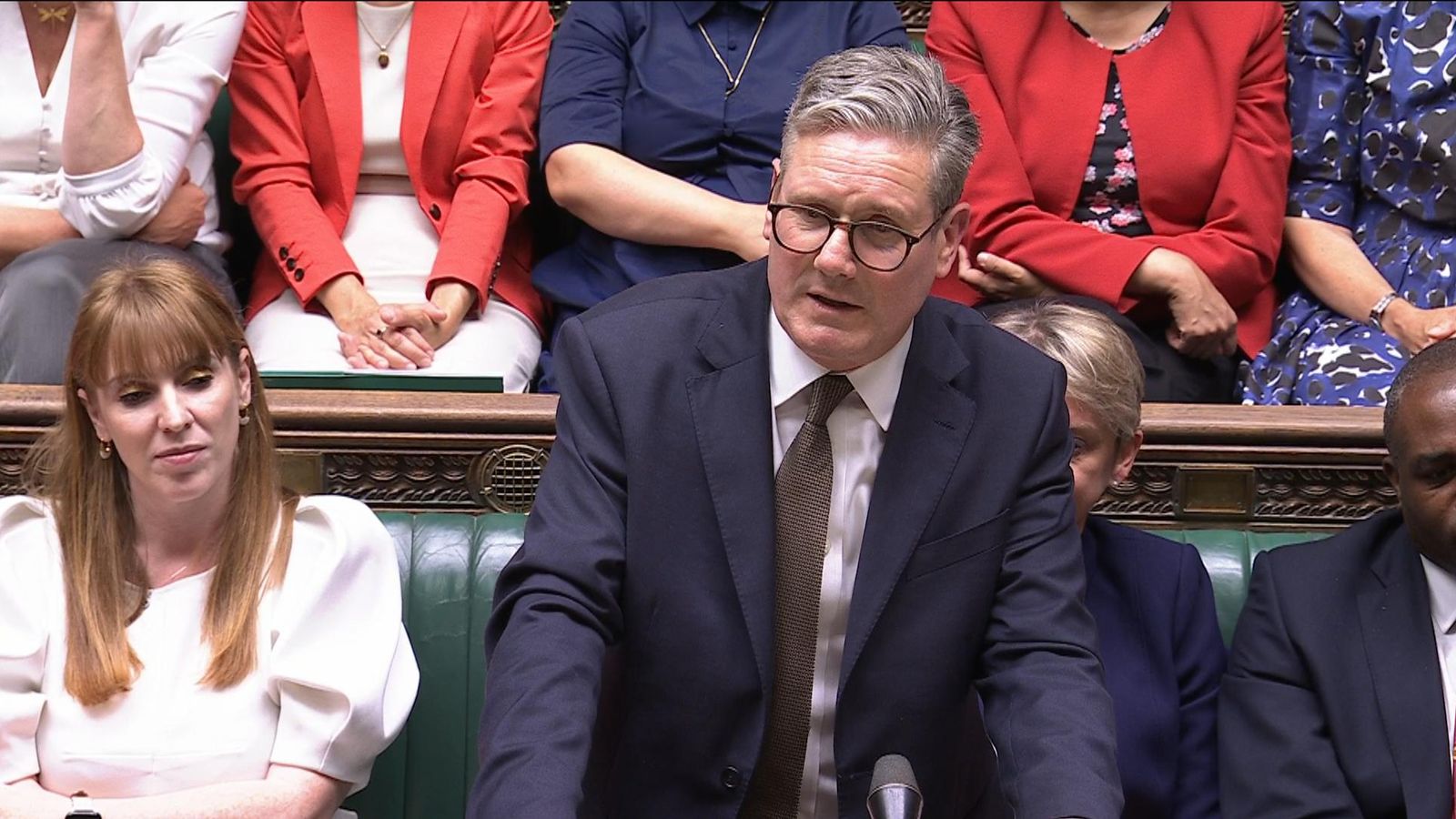
House of Commons during the latest session of
Prime Minister’s Questions as
Keir Starmer faced a wave of criticism from opposition MPs over defence policy, rising living costs, and what critics described as a series of political controversies putting pressure on the government.
The weekly exchange, known for its sharp language and loud interruptions, became particularly heated as MPs accused the government of appearing uncertain abroad while struggling to reassure voters at home.
At one point, a senior opposition figure said the administration carried a “stench of scandal,” a phrase that immediately triggered shouting from both sides of the chamber and forced the Speaker to call for order.
Defence and Foreign Policy at the Center of the Clash
Much of the argument focused on recent tensions in the Middle East and Britain’s coordination with the United States.
Opposition MPs claimed the government had reacted too slowly during the crisis and risked making the UK look hesitant in front of allies. They pointed to delays in announcements about troop deployments, aircraft movements, and the use of overseas bases, saying the sequence of events created the impression that London was following Washington rather than acting alongside it.
Starmer rejected that criticism, telling the chamber that British forces had been placed on standby weeks earlier and that the UK remained fully engaged with partners through military planning and intelligence cooperation.
He insisted the transatlantic alliance remained strong and said the government would always act in the national interest, even when decisions were difficult.
Cost-of-Living Pressure Fuels Domestic Attacks
The debate quickly moved from foreign policy to the situation at home, with MPs raising concerns about energy prices, household bills, and the broader cost-of-living crisis.
Critics argued that families are still feeling the impact of inflation and high housing costs, accusing the government of failing to show that the economy is improving.
Several MPs said recent political setbacks had made voters doubt whether the government understands the pressure many households face, especially as winter energy bills and food prices remain a major concern.
Starmer responded that energy support measures are in place and that the government is working to keep prices stable while investing in long-term supply and infrastructure.
He also accused opponents of exaggerating problems for political effect, saying the country is in a stronger position than it was a year ago.

Shouting Matches Highlight Political Tension
As the exchanges grew louder, the Speaker repeatedly intervened to restore order, a sign of how charged the atmosphere had become.
PMQs is often confrontational, but observers noted that the tone of this session felt sharper than usual, with interruptions coming from both sides and several questions turning into arguments rather than formal debate.
Analysts say this kind of intensity often reflects wider political pressure, especially when the government is dealing with multiple issues at the same time.
Foreign policy disputes, economic worries, and internal party disagreements can all combine to make parliamentary sessions more volatile.
Questions About Leadership and Stability
Some MPs suggested that recent controversies — including disputes with allies, criticism over defence decisions, and ongoing economic concerns — have created a sense that the government is constantly reacting rather than setting the agenda.
Supporters of the Prime Minister strongly rejected that view, saying the UK continues to play a major role internationally and that domestic policies are beginning to show results.
They argued that loud exchanges in Parliament do not mean the government is in trouble, noting that heated PMQs sessions are common in periods of political competition.
Still, the repeated references to security, household costs, and public confidence show that the pressure on the government is coming from several directions at once.
A Routine Session — or a Warning Sign?
For now, there is no sign of an immediate political crisis, and the government retains its position in Parliament.
However, the intensity of the debate has led some commentators to suggest that the mood in Westminster is becoming more unpredictable, especially as elections approach and every issue is viewed through a political lens.
Moments like this do not decide the future on their own, but they can shape how leadership is perceived, both inside Parliament and among voters watching from outside.
By the end of the session, one question was being asked repeatedly by MPs and political observers alike:
Was this simply another noisy round of PMQs —
or an early signal that the pressure on the Prime Minister is starting to build into something more serious?