Poilievre Loses It and Goes All Out on Carney and the Liberal Government for Destroying Canada
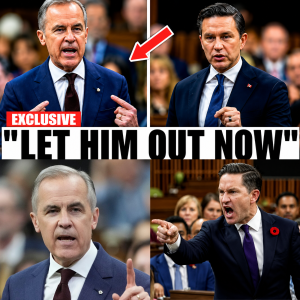
OTTAWA — Conservative Leader Pierre Poilievre unleashed a fierce attack on Prime Minister Mark Carney and the Liberal government in Parliament, accusing them of causing Canada’s recession and then avoiding accountability for it.
The sharp exchange highlighted deepening partisan divisions as the country grapples with its first recession in years.
;Resize=1180)
Carney’s Silence Criticized
Mr. Poilievre noted that four days had passed since Statistics Canada confirmed the recession, yet Mr. Carney had not answered a single question in the House of Commons or from the media. He described the prime minister’s absence as unacceptable during an economic emergency.
The Conservative leader argued that Canadians facing empty fridges, rising costs and job losses deserved explanations from the man who campaigned as an economic expert.
Only G7 Nation in Recession
Canada is the only Group of Seven country currently in recession, a fact Mr. Poilievre repeatedly emphasized. He challenged the government to explain how, under Mr. Carney’s leadership, Canada had fallen behind its peers despite global economic pressures affecting all nations.
;Resize=1180) Calls for Emergency Debate
Calls for Emergency Debate
Mr. Poilievre demanded an emergency debate and called on the prime minister to reverse Liberal policies he believes contributed to the downturn. He proposed cutting taxes on home building, removing the carbon tax on energy, and repealing regulations he described as anti-development.
Liberal Response
Government ministers defended their record, pointing to investments in infrastructure, skilled trades and resource projects. They blamed external factors, including trade tensions with the United States, for Canada’s economic challenges.
One minister urged the opposition to focus on building the country rather than criticizing it.
Carney Avoids Media
Reports emerged that Mr. Carney walked past a Globe and Mail reporter in Toronto without commenting on the recession. The incident was widely shared and became a focal point for critics who saw it as emblematic of the government’s approach.
Campaign Promises Under Scrutiny
Mr. Carney had positioned himself during the election as the leader best equipped to handle economic crises, drawing on his experience as a former Bank of Canada and Bank of England governor. Opponents now argue the recession undermines that narrative.
Human Costs Highlighted
Mr. Poilievre spoke of the human impact, citing rising food insecurity and families struggling with basic needs. A recent report from Food Banks Canada gave the government a failing grade on addressing hunger.
Policy Reversal Demanded
The Conservative leader framed the recession as a direct result of Liberal policies, including carbon pricing, deficit spending and regulatory burdens. He called for their reversal to restore economic growth.
Government’s Defense
Liberals countered that they were taking action to protect workers and support key sectors. They highlighted new mining projects and infrastructure spending as evidence of long-term planning.
Political Optics
The confrontation underscored Mr. Poilievre’s strategy of aggressive opposition. By demanding the prime minister appear and answer questions, he sought to portray the government as detached from Canadians’ daily struggles.
Broader Economic Picture
Canada’s economy has contracted in recent quarters. Unemployment has risen, investment has declined and mortgage delinquencies have increased. The government attributes much of the pressure to external trade disputes.
Public Frustration
Many Canadians are feeling the strain through higher costs and job insecurity. The prime minister’s reluctance to address the recession directly has fueled criticism that the government is out of touch.
Strategic Differences
The two parties offer sharply contrasting visions. Conservatives emphasize tax cuts, deregulation and resource development. Liberals focus on targeted investments, social supports and green transition measures.
Accountability Questioned
Mr. Poilievre’s repeated calls for Mr. Carney to “do his job” have resonated with some voters frustrated by the economic downturn. The prime minister’s team maintains that steady governance, not daily media scrums, is the priority.
Future Battles
As Parliament continues, the recession is likely to dominate debate. The coming weeks will test whether the government can present a credible plan to restore growth or whether opposition criticism gains further traction.
National Mood
The political clash reflects broader anxiety across the country. With winter approaching and economic pressures mounting, Canadians are watching closely to see how their leaders respond to the crisis.
Conclusion
Mr. Poilievre’s fiery performance in the House underscored the intensity of the current political moment. Whether the prime minister’s silence signals confidence or avoidance remains a central question as Canada navigates its economic challenges.






