Australia’s political landscape is beginning to shake in ways few analysts predicted only months ago. Fresh polling numbers have triggered intense debate nationwide after showing growing support for Pauline Hanson’s One Nation at a time when frustration over housing, taxes and the cost of living is reaching boiling point.
For years, many dismissed Pauline Hanson as a protest figure operating on the fringes of Australian politics. But now, amid rising economic pressure and growing distrust toward traditional parties, her message is finding a larger audience than ever before.

The latest polling data sent shockwaves through Canberra because it suggests a dramatic shift is taking place among working-class voters, regional Australians and even younger households struggling to survive financially.
Across major cities, families are battling soaring rents and impossible property prices. In regional communities, many Australians feel increasingly abandoned by political elites focused more on ideological battles than everyday survival.
At the centre of the storm is housing affordability — an issue that has evolved from an economic challenge into a national emotional crisis.
For many young Australians, the dream of owning a home now feels almost unreachable. Mortgage repayments continue rising, rental vacancies remain critically low and house prices stay stubbornly high despite years of political promises.
This environment has created fertile ground for anti-establishment voices.
And few politicians have capitalised on that frustration more aggressively than Pauline Hanson.
In recent weeks, Hanson intensified her attacks on the federal government, arguing that rapid migration levels, foreign ownership and failed housing policies are placing unbearable pressure on ordinary Australians.
She claimed many citizens no longer recognise the country they grew up in.
Supporters say Hanson speaks openly about concerns that millions privately discuss around dinner tables, workplaces and local communities.
Critics, however, accuse her of reducing highly complex economic issues into emotionally charged political slogans.
Still, the numbers suggest her message is resonating.
The backlash intensified following debate surrounding the federal budget and proposed property tax reforms, which many voters interpreted as another attack on middle-class Australians already under financial stress.
On talkback radio, social media and community forums, anger has become impossible to ignore.
Many Australians say they feel trapped between rising costs, stagnant wages and policies that appear disconnected from reality.
One issue generating particular outrage is housing investment reform.
Some property owners fear new taxation measures could discourage investment, reduce supply and push rents even higher.
Others argue the housing system already overwhelmingly benefits wealthy investors while younger Australians are locked out permanently.
The political divide is growing sharper by the week.
Meanwhile, migration policy remains one of the most explosive topics in the country.
Australia’s population growth has accelerated rapidly in recent years, with net overseas migration reaching historically high levels.
Business groups argue migration is essential to fill workforce shortages and support economic growth.
But critics claim infrastructure, housing construction and public services are failing to keep pace with population increases.
Pauline Hanson has repeatedly linked migration directly to housing shortages and rental stress.
Her calls for tighter migration controls and restrictions on foreign property ownership have become central themes in her political resurgence.
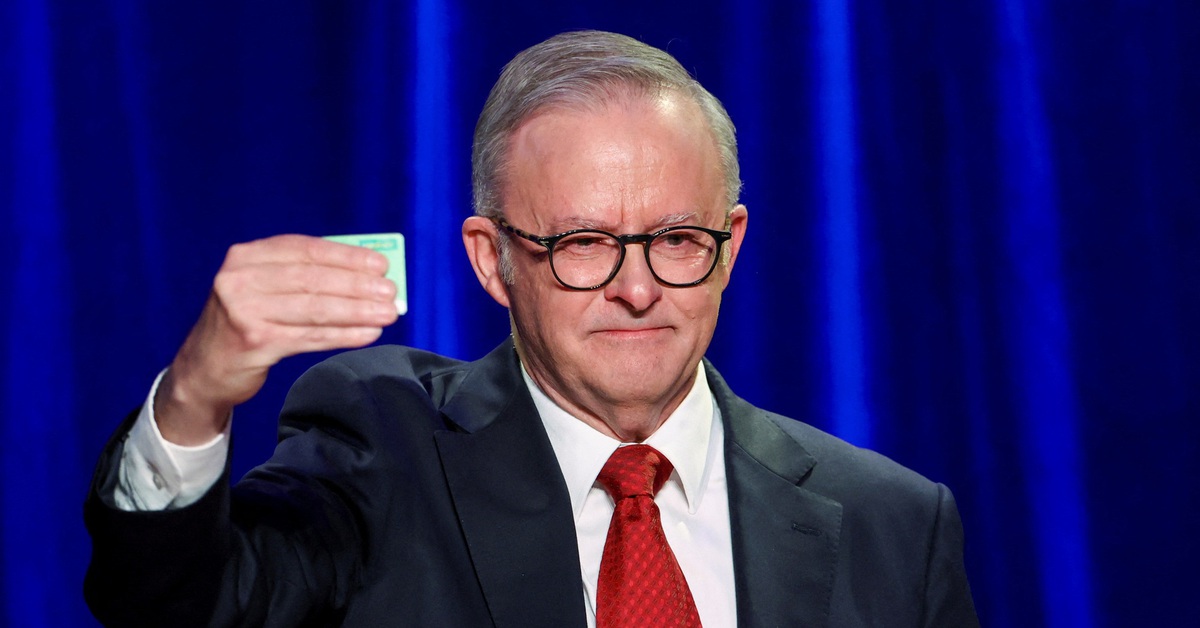
The debate has placed enormous pressure on the government of Anthony Albanese.
Labor continues defending its economic policies while arguing that many current problems were inherited from years of structural underinvestment and global inflation pressures.
But patience among voters appears to be wearing thin.
Pollsters note that economic anxiety often produces rapid political realignment.
When households feel financially insecure, support for outsider movements frequently grows stronger.
This pattern is now becoming increasingly visible across Australia.
The opposition Coalition is also facing serious questions.
Many conservative voters believe the Liberal Party has failed to present a sufficiently strong alternative on immigration, energy and housing affordability.
As a result, smaller populist movements are gaining traction.
Several analysts warn that Australia may be entering a new political era where traditional two-party dominance becomes weaker and voter loyalty becomes far more volatile.
Social media has accelerated this transformation dramatically.
Short emotional clips, viral political commentary and highly simplified messaging now spread faster than detailed policy discussions.
In that environment, politicians capable of delivering emotionally powerful narratives often dominate public attention.
That is precisely where Pauline Hanson remains highly effective.
Her communication style is direct, confrontational and designed to connect emotionally with frustrated voters.
To supporters, she represents honesty and resistance against political correctness.
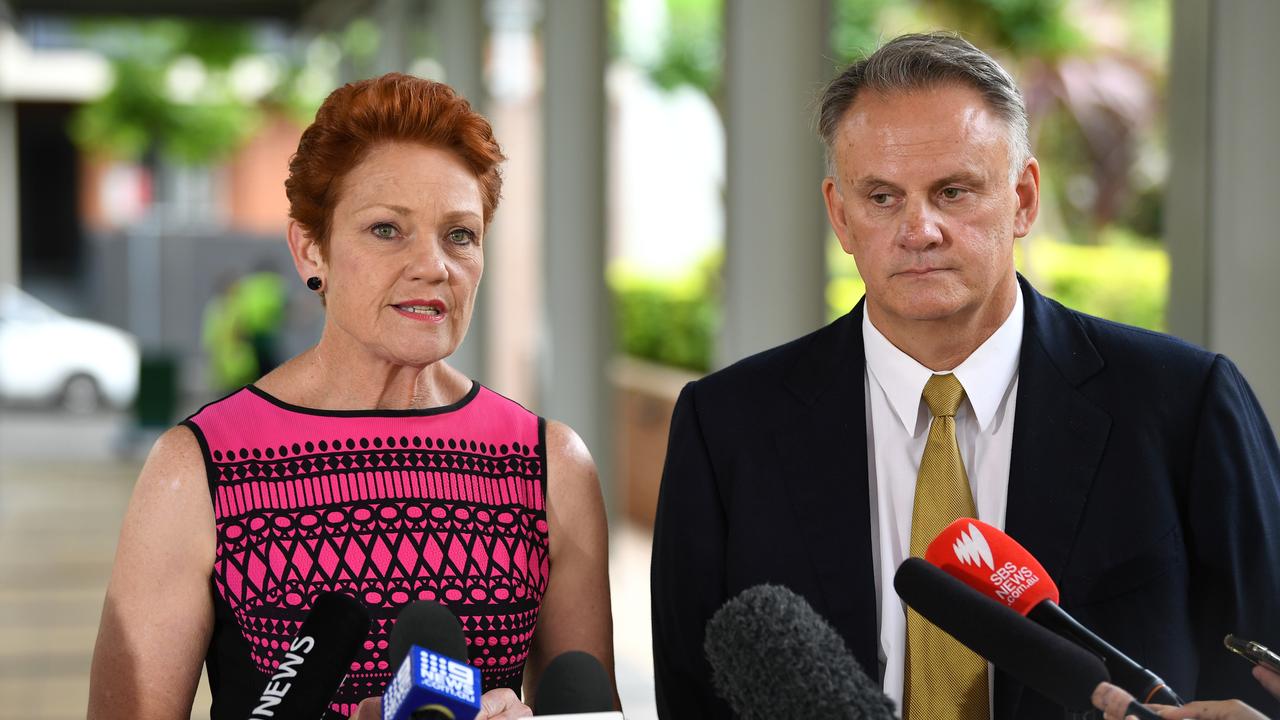
To critics, she fuels division and public anger for political gain.
Either way, her influence is becoming increasingly difficult for major parties to ignore.
Political strategists inside Canberra are reportedly watching the polling movement closely, particularly in outer suburban and regional electorates where economic frustration is strongest.
Some insiders fear a broader revolt may be building among voters who feel abandoned by both Labor and the Coalition.
Others believe the current surge reflects temporary anger rather than long-term structural change.
But one reality is becoming impossible to deny: housing affordability and cost-of-living pressures are reshaping Australian politics faster than almost anyone expected.
The emotional intensity surrounding these issues now rivals debates over climate, national security and healthcare.
For millions of Australians, the crisis feels deeply personal.
It affects where they live, whether they can start families, how much they work and whether they believe their children will have a better future.
That emotional pressure is transforming voting behaviour.
As the next election cycle slowly approaches, every major party faces a difficult challenge: convince voters they understand the crisis before public frustration turns into a full political revolt.
Because right now, across Australia, a growing number of citizens appear willing to reject the old political order entirely.
And if the latest polling is any indication, Pauline Hanson’s One Nation may be positioning itself to benefit from that anger more than anyone else.






