The Cracks Are Spreading: Trump, War Powers, and a Presidency in Freefall

No one can say with certainty whether this moment is the tipping point. But what is undeniable is that the rapid disintegration of support for Donald Trump is real—and accelerating.
In plain language: he’s going down.
And no, it’s not unfair. If Trump wanted people to like him, the formula was never complicated. He could have started by not assaulting women. Not associating with the exploitation of minors. Not killing innocent Americans. Not unleashing paramilitary-style ICE forces on protesters. Not deporting hardworking families. Not lying endlessly about an election he lost.
And yes—before anyone asks—we’re still talking about Jeffrey Epstein.
Trump turns on his own party

Over the weekend, Trump launched a furious public attack calling for the electoral defeat of five Republican senators who dared to defy him. In a rambling, rage-filled post, he accused them of betraying America by supporting Democrats in an effort to rein in his power.
The senators he named:
-
Susan Collins
-
Lisa Murkowski
-
Rand Paul
-
Josh Hawley
-
Todd Young
Trump declared that none of them should “ever be elected again.”
Why? Because they joined every Senate Democrat to advance a resolution that directly challenges Trump’s ability to wage unilateral military action.
This wasn’t a symbolic gesture. This was Congress sending a message: enough.
Congress pushes back on Trump’s war ambitions
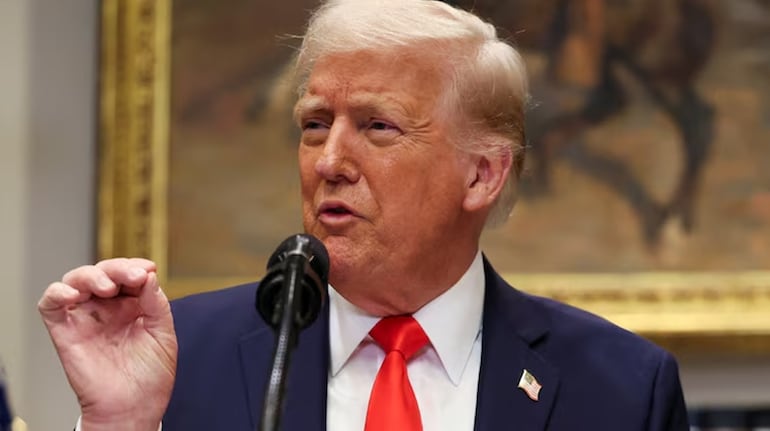
The Senate is clearly growing tired of Trump’s reckless use of force—particularly his attacks on ships in international waters that posed zero threat to the United States.
The resolution would require any president, including Trump, to seek explicit congressional approval before undertaking further military action, especially actions resembling his self-declared “law enforcement operation” in Venezuela—where U.S. forces seized Nicolás Maduro while Trump simultaneously bragged about putting “boots on the ground.”
Trump’s response was predictable.
He claimed the vote “greatly hampers America’s self-defense,” called the War Powers Act unconstitutional, and insisted that Article II gives him near-total authority to act as he pleases.
What he didn’t address is the central issue: the Constitution does not allow one person to take the nation to war alone.
This isn’t about drugs or terrorism—it’s about oil
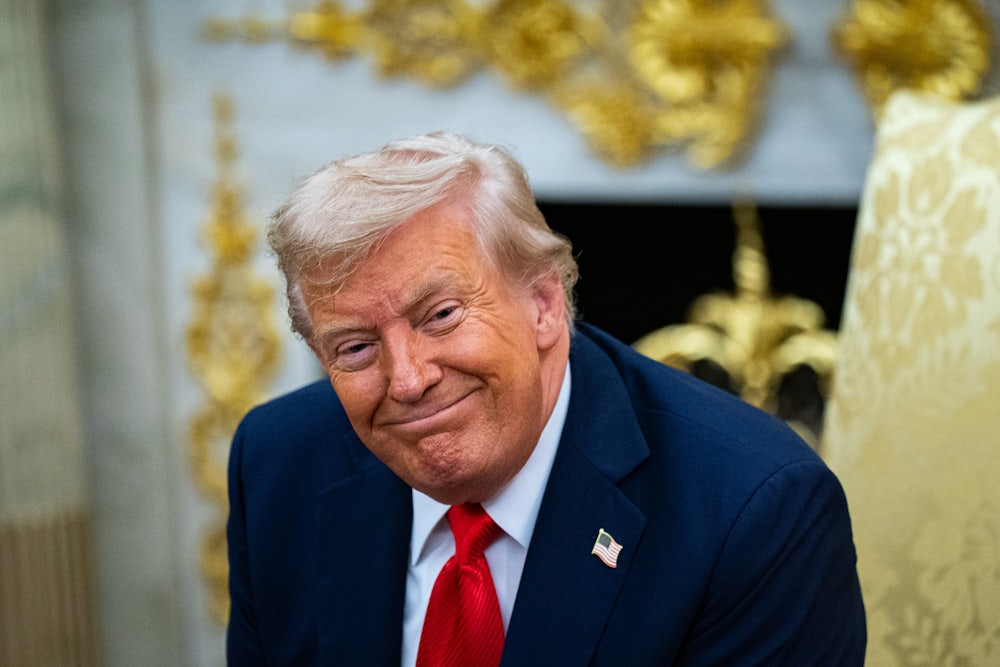
Trump and his allies claim these actions are about national security, drugs, or so-called narco-terrorism. But everyone in Washington knows the truth.
It’s about oil.
Venezuela sits atop the largest proven oil reserves on Earth—roughly 300 billion barrels, worth more than $21 trillion. That’s more than Saudi Arabia and more than four times the reserves of the United States.
Geographically, the prize is even more tempting. Venezuela’s oil lies just across the Caribbean from the U.S. Gulf Coast, where massive American refineries were built decades ago to process Venezuelan crude.
Whoever controls that oil controls a jackpot in America’s backyard.
Even Trump allies are getting nervous
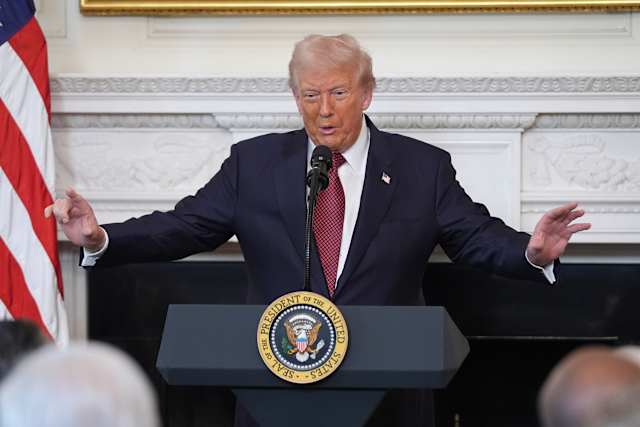
Susan Collins and Lisa Murkowski breaking with Trump isn’t surprising. But Josh Hawley and Rand Paul standing up to him is far more telling.
Hawley—who infamously encouraged January 6 protesters before fleeing the Capitol—now appears uneasy with Trump’s appetite for unchecked war.
Rand Paul, meanwhile, delivered one of the most important statements of the debate:
“The question is not whether a regime is good or evil. The question is who has the power to take the nation to war.”
Paul reminded the Senate that the Constitution clearly divides war powers:
-
Congress declares and initiates war
-
The president executes it
Granting unilateral war-making authority to one person, he argued, is too dangerous—no matter who occupies the Oval Office.
A president threatening allies, not enemies

As Trump continues to float threats against Colombia, Panama, Cuba, Canada, and even Greenland, Republicans are starting to ask uncomfortable questions.
What happens if Trump sends troops into Canada or Greenland?
What happens to NATO?
What happens when American allies are treated like enemies?
Trump has already answered that question himself—boasting that he would encourage Russia to attack NATO allies who don’t “pay enough.”
That rhetoric has rattled even loyal Republicans. Senator Thom Tillis called it “irresponsible.” Others are privately alarmed.
The White House openly declaring that “all options are on the table” regarding Greenland—a Danish territory—has only deepened fears that Trump has completely lost his bearings.
The deeper danger

Trump supporters do not want war. They remember Vietnam. They remember Iraq. They remember flag-draped coffins and broken families.
They don’t want another reckless commander-in-chief gambling with young American lives—especially one whose personal conduct and associations raise serious moral and legal questions.
And here’s the uncomfortable truth: if damaging information exists that could expose Trump personally, how far would he go to protect himself from it?
History offers a warning.
Steve Bannon explained the strategy years ago:
“Flood the zone. Hit them with three things a day. They’ll focus on one, and we’ll get everything else done.”
Chaos isn’t a side effect.
It’s the plan.
The bottom line
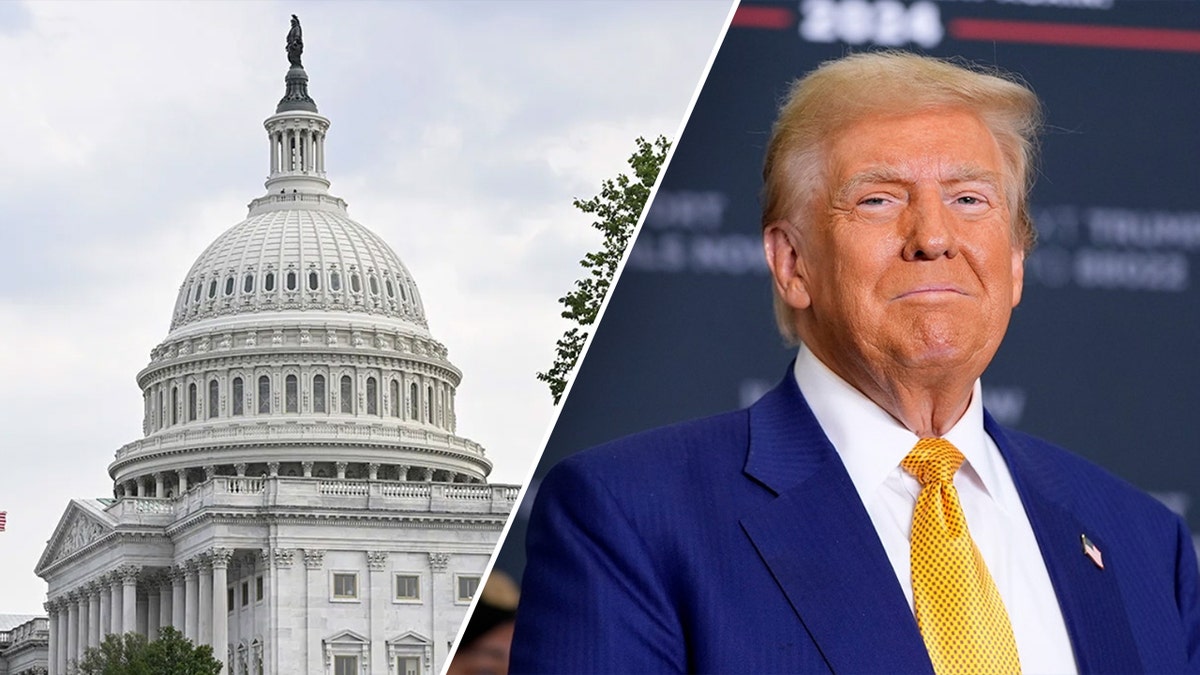
The reality is simple: Trump cannot be stopped without Republican votes.
Cracks are forming.
The coalition is fraying.
And for the first time in a long time, fear appears to be shifting sides.
This isn’t just about Trump.
It’s about the Constitution.
It’s about war powers.
It’s about whether the United States is ruled by law—or by one man’s impulses.
And that fight is far from over.






