Political volatility highlights influence of polling in shaping strategy and narrative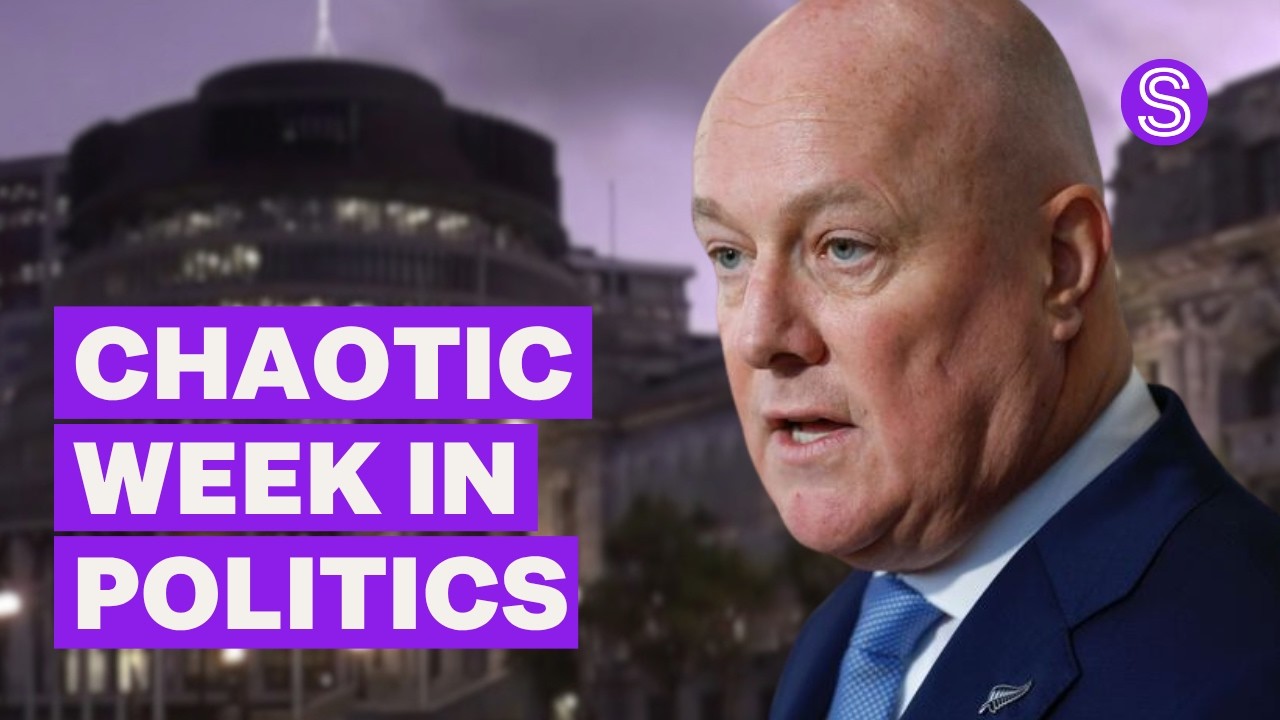
A week of heightened political activity and competing policy announcements has underscored the growing influence of opinion polling in New Zealand politics, as parties respond to shifting public sentiment and attempt to manage political narratives in real time. The discussion comes amid ongoing scrutiny of Government performance, opposition strategy, and broader questions about how voter attitudes are measured and interpreted within the political system.
The debate has involved commentary from across the political spectrum, including the Government led by Prime Minister Christopher Luxon, opposition parties, and political analysts who track trends in public opinion. While no single event has defined the week, observers say the accumulation of political developments has contributed to an environment where polling data plays a central role in shaping both media coverage and political decision-making.


Opinion polling in New Zealand is widely used by political parties, media organisations, and analysts to assess voter sentiment on leadership, policy direction, and issue importance. While polls are not predictive guarantees of electoral outcomes, they are often treated as indicators of momentum and public perception. Analysts note that this can create pressure on governments and opposition parties to adjust messaging and strategy in response to short-term shifts.
Government ministers have argued that while polling provides useful information, it should not dictate policy decisions. Coalition representatives maintain that governance requires a focus on long-term outcomes rather than short-term fluctuations in public opinion. They argue that structural reforms in areas such as the economy, infrastructure, and public services must be assessed over time rather than through immediate polling responses.
Opposition parties have taken a different approach, often using polling results to highlight perceived changes in public confidence. Labour MPs and other opposition figures argue that shifts in voter sentiment reflect concerns about cost of living, housing affordability, and public service delivery. They suggest that polling data can provide insight into whether government policies are aligning with public expectations.
Political analysts say that the increasing visibility of polling has changed the tempo of political communication. In earlier decades, political messaging was often shaped by longer cycles between elections, but modern media environments allow for near-continuous tracking of public opinion. This has led to more reactive political strategies, with parties adjusting messaging more frequently in response to data trends.
The Government has continued to emphasise policy delivery despite fluctuating commentary about public opinion. Ministers argue that economic conditions and long-term structural challenges require consistent policy direction. Supporters of the Government say that over-reliance on polling can encourage short-term thinking and reduce focus on complex policy implementation.
At the same time, opposition parties argue that ignoring polling risks disconnecting political decision-making from public concerns. They maintain that regular feedback from voters is essential in a democratic system and helps ensure accountability. This tension between responsiveness and long-term governance remains a recurring feature of political debate.
Political commentators have noted that polling often gains greater prominence during periods of perceived political uncertainty. When governments face scrutiny or when multiple policy debates occur simultaneously, public opinion data is frequently used to interpret broader political trends. Analysts suggest that this can amplify the perceived importance of individual polling movements, even when statistical margins remain narrow.
The week’s political developments have included discussion across economic policy, public service delivery, and coalition dynamics. While each issue is distinct, analysts say the combined effect has contributed to a broader narrative of political intensity. In such environments, polling is often used as a reference point for understanding how the public may be responding to multiple overlapping debates.
Media organisations play a significant role in disseminating and interpreting polling data. Journalists and commentators often contextualise results within broader political narratives, which can influence how the public understands political momentum. Analysts note that this interaction between media framing and polling interpretation can shape political perceptions as much as the underlying data itself.
Public reaction to polling influence is mixed. Some voters view polls as a useful snapshot of public opinion, while others are sceptical about their accuracy or relevance. Concerns are sometimes raised about sample size, methodology, and timing, particularly when polls appear to show rapid shifts in sentiment. Despite these concerns, polling remains a central feature of political reporting.
Opposition representatives have continued to reference polling data in public statements, particularly when discussing perceived Government performance. They argue that shifts in voter sentiment can indicate dissatisfaction with policy outcomes or communication strategies. However, they also acknowledge that polls are only one factor among many that influence electoral outcomes.
Business and industry groups generally focus less on polling and more on policy stability and economic conditions. However, analysts note that perceptions of political stability—often influenced indirectly by polling trends—can affect investment confidence and long-term planning. As a result, polling data can have indirect implications beyond immediate political messaging.
The Government has maintained that its focus remains on delivering policy outcomes rather than responding directly to polling fluctuations. Ministers argue that governance requires consistency and that public opinion can shift rapidly in response to short-term events. Coalition representatives say that their priority is ensuring that policies are implemented effectively over time.
Questions remain about how polling will continue to influence political behaviour as New Zealand approaches future electoral cycles. Analysts suggest that as data becomes more frequent and accessible, political actors may become increasingly responsive to short-term changes in public sentiment. However, they also caution that overemphasis on polling can sometimes distort longer-term strategic planning.
Political strategists across parties are expected to continue monitoring polling trends closely as part of campaign preparation and policy messaging. While polling is not determinative, it is often used to guide decisions about communication priorities, policy emphasis, and electoral targeting. This makes it an important tool in modern political strategy.
Ultimately, the week’s political developments highlight the complex relationship between governance, media reporting, and public opinion measurement. While polling provides valuable insight into voter sentiment, its interpretation and influence depend heavily on political context and media framing. As political debate continues, polling is likely to remain a central—though contested—feature of New Zealand’s democratic landscape.






