Questions raised after parody Instagram account reportedly linked to former Labour staffer
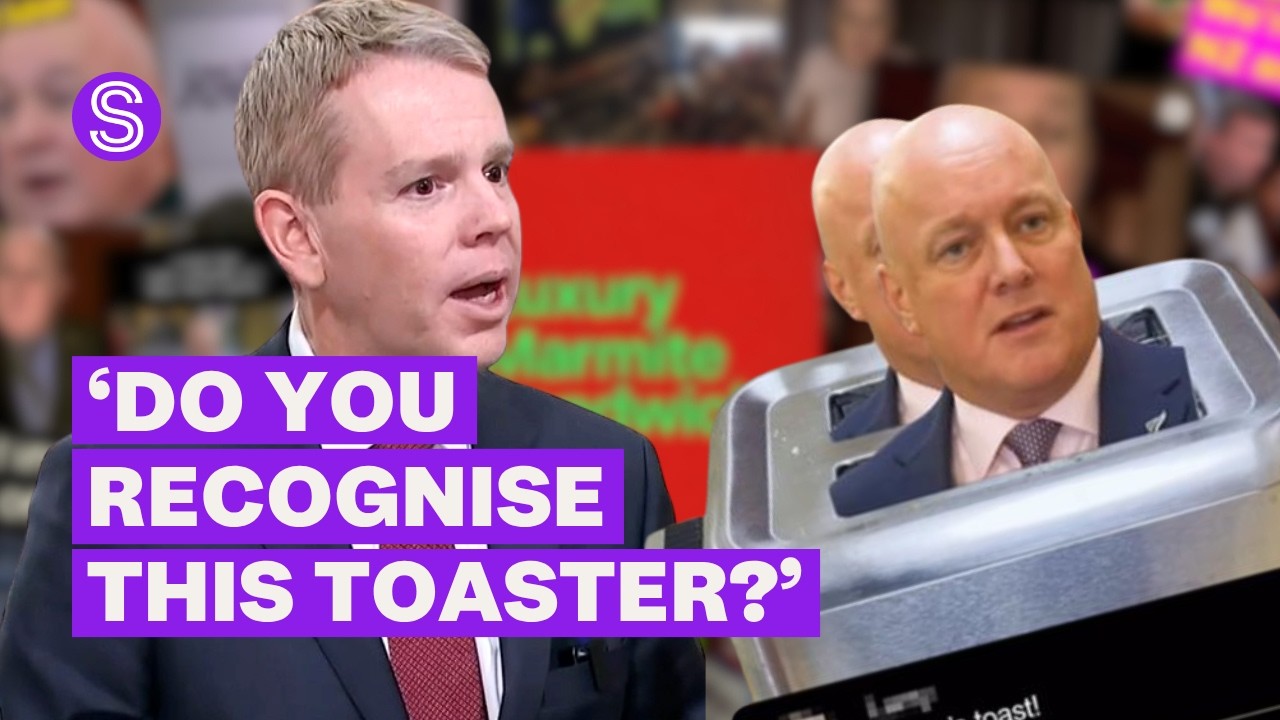
A political dispute has emerged after reports connected an Instagram account that mocked Prime Minister Christopher Luxon to a former staff member associated with the Labour Party. The development has generated discussion across Parliament and political circles about online political campaigning, digital conduct, and the increasingly prominent role of social media in New Zealand politics. While no allegations of illegality have been established, the controversy has drawn attention because it involves political communication, online anonymity, and public perceptions of professionalism among those connected to political organisations.
The account in question reportedly published satirical or critical content targeting Luxon and members of the Government. Questions emerged after online investigators and media reporting suggested a possible connection between the account and a former Labour-linked staffer. Political observers note that parody and political satire remain common features of democratic discourse, although disputes can arise when anonymous accounts are connected to individuals involved in formal political activity.


The issue has spurred discussion regarding the boundaries between political activism, satire, and coordinated political communication. Analysts say social media platforms increasingly influence public debate and can shape political narratives quickly, particularly during periods of heightened partisan tension. Anonymous or pseudonymous political accounts are common internationally, though their role in domestic political environments often remains controversial and subject to scrutiny from both media organisations and political opponents.
Government MPs have questioned whether individuals connected to political parties should engage in anonymous online activity targeting elected leaders. Some coalition representatives argued that transparency and accountability are important standards within democratic political systems. They maintained that voters expect honesty regarding the origins of political messaging and commentary, especially when material appears designed to influence public perceptions. However, ministers stopped short of alleging any unlawful conduct connected to the account itself.
Labour representatives responded cautiously after the reports emerged. Party figures indicated that the individual linked to the account was no longer employed in an official political role and argued that the matter should not be interpreted as evidence of coordinated party activity. Labour MPs also stressed that political satire and criticism are longstanding aspects of democratic expression. Nevertheless, some opposition representatives acknowledged that online conduct associated with former political staff can still attract public scrutiny.
Political commentators say the controversy reflects broader changes in political communication. Campaigns and political movements increasingly rely on digital platforms to engage supporters, shape narratives, and respond rapidly to opponents. As a result, distinctions between official political messaging, supporter-driven activism, and independent commentary can become less clear. Analysts argue that this environment has raised new questions regarding transparency, accountability, and ethical standards in political communication.
The Government has not announced any formal investigation connected to the matter. Ministers instead framed the issue as part of a wider conversation about standards and political culture. Some coalition MPs argued that anonymous online attacks contribute to growing public cynicism about politics and reduce confidence in political institutions. Others suggested that the issue may reflect broader international trends in digital campaigning and political engagement rather than an isolated domestic controversy.
Public reaction has been mixed. Some New Zealanders viewed the account as an example of routine political satire and online commentary, arguing that criticism of political leaders is a normal feature of democratic society. Others expressed concern about the use of anonymous accounts by individuals connected to political organisations. Public discussion has therefore focused less on the content itself and more on questions surrounding transparency and political professionalism.
Political analysts have noted that social media controversies often gain traction because they combine politics, anonymity, and personal attacks in ways that attract public attention. Analysts suggest that political parties face increasing pressure to establish clear expectations regarding online conduct among staff, supporters, and affiliated individuals. However, they also caution against overstating the significance of isolated digital disputes in comparison with broader policy issues affecting voters.
The debate has also raised a question about how political parties manage reputational risk in the digital era. Online activity connected even indirectly to political organisations can quickly become national news when public figures are involved. Communications experts argue that political parties now operate in an environment where unofficial commentary may still influence public perceptions of professionalism and leadership. This dynamic has become increasingly important in modern election strategy.
Media organisations covering the issue have generally focused on the reported connection between the account and the former staffer rather than making broader allegations about organised political activity. Journalists have emphasised that key details remain under scrutiny and that several aspects of the story still require clarification. Coverage has also examined the wider political implications rather than concentrating solely on the online content itself.
The controversy arrives during a period of heightened political competition as parties increasingly prepare for future election campaigning. Analysts note that online engagement and digital communication are likely to become even more central to political strategy in coming years. As campaign activity expands, scrutiny of political messaging tactics and online behaviour may also intensify. Political parties across the spectrum are therefore expected to monitor reputational issues carefully.
Labour figures have maintained that the matter should not distract from substantive political debate regarding economic conditions, healthcare, housing, and public services. Opposition MPs argued that political leaders should remain focused on policy rather than social media controversies. Nevertheless, some acknowledged that digital communication standards remain an important issue requiring ongoing consideration within political organisations and campaign structures.
Coalition supporters argued that the issue demonstrates why transparency in political communication matters. They contend that anonymous attacks targeting political figures can contribute to mistrust and undermine confidence in public debate. Some commentators sympathetic to the Government suggested that clearer disclosure expectations may eventually become necessary as digital campaigning continues evolving. However, no specific regulatory proposals have yet been announced by ministers.
Experts in political communication say the incident reflects wider international trends rather than a uniquely New Zealand issue. Around the world, political actors increasingly engage with audiences through unofficial channels, parody accounts, and digital commentary networks. This has complicated traditional distinctions between formal campaigning and independent political expression. Analysts expect democratic systems to continue debating how transparency standards should apply within rapidly changing digital environments.
Questions also remain regarding whether stronger internal guidelines for political staff and affiliates may emerge in response to controversies of this kind. Some political observers believe parties could introduce clearer expectations regarding anonymous online engagement and public commentary. Others argue that enforcement would be difficult given the scale and decentralised nature of social media activity. These issues remain under consideration across many democratic political systems.
Several commentators cautioned against assuming that online controversies necessarily translate into major electoral consequences. While digital disputes can dominate headlines temporarily, voters often place greater importance on economic conditions, public services, and leadership performance. Analysts therefore suggest that the long-term political impact of the controversy may depend more on how parties respond than on the original account activity itself.
Business groups and industry representatives showed relatively limited engagement with the controversy, instead continuing to focus on economic policy and regulatory stability. However, communications professionals noted that public trust and reputational management remain important concerns for all major organisations, including political parties. The issue has therefore contributed to broader discussion regarding professional standards in public communication.
The controversy has reinforced the increasingly blurred relationship between politics, media, and digital culture. Social media platforms allow political commentary to spread rapidly and reach audiences outside traditional news structures. This environment has created new opportunities for engagement but has also introduced additional challenges relating to accountability, verification, and public trust. Political leaders across multiple parties are likely to continue adapting to these conditions.
Ultimately, the dispute surrounding the parody account reflects wider questions about transparency, digital communication, and political culture in New Zealand. While the matter remains limited in scope compared with larger policy debates, it has nonetheless attracted national attention because it touches on issues of accountability and public confidence. As political campaigning becomes increasingly digital, similar controversies may continue emerging across the political spectrum.






