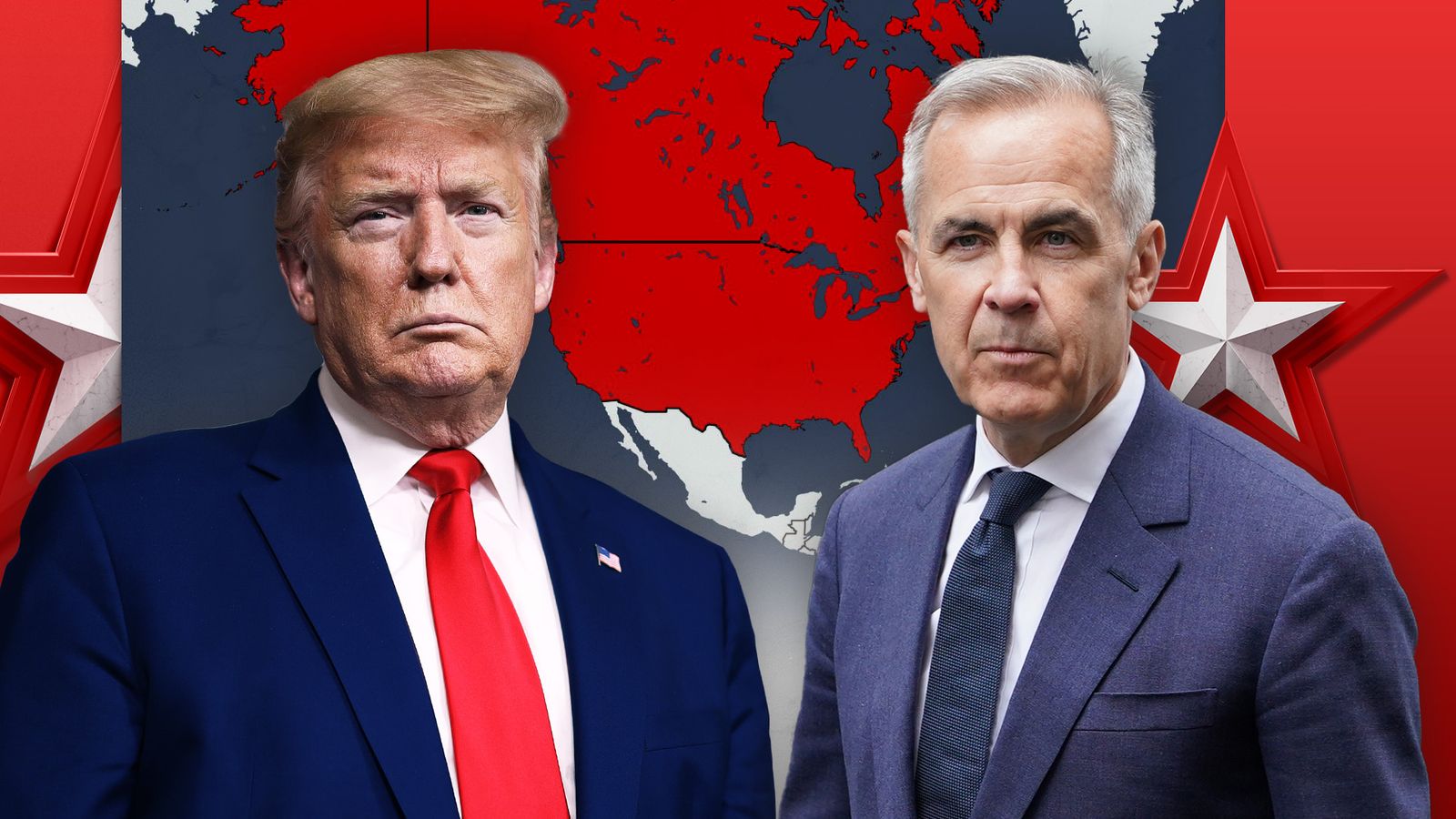
A private comment attributed to U.S. President Donald Trump describing Canadians as “dumb and nasty” has surfaced through diplomatic channels, triggering immediate concern in Ottawa and raising questions about the state of U.S.-Canada relations at a time of heightened trade tensions. Sources familiar with the matter indicate the remark was made during a closed-door discussion related to ongoing economic negotiations, and its disclosure has prompted Canadian officials to consider a structured response while seeking to preserve the broader framework of North American cooperation.
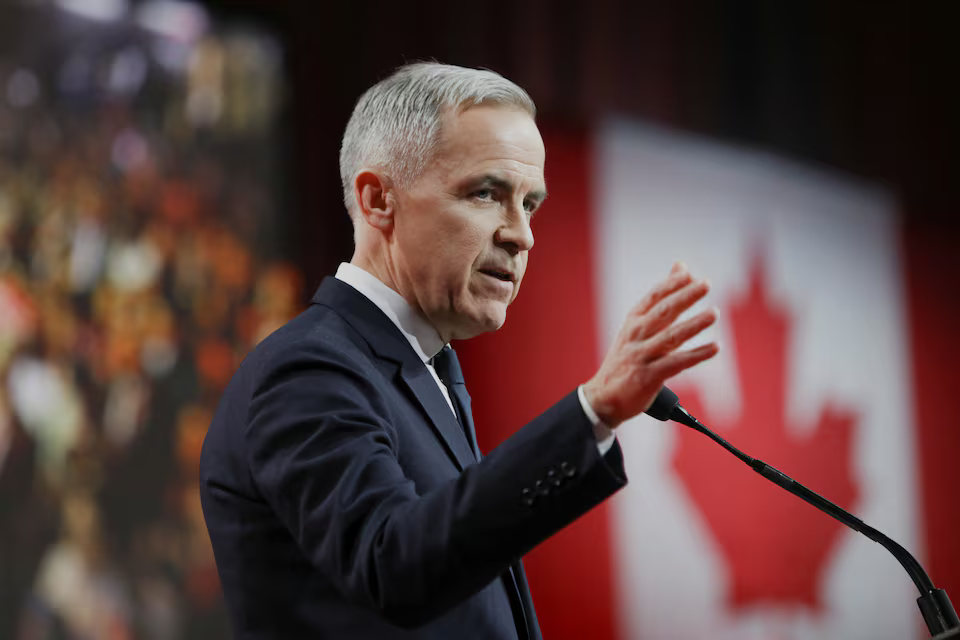
The reported statement emerged against the backdrop of a deepening trade dispute that has seen both governments impose targeted tariffs and countermeasures in recent weeks. Negotiations over key sectors—including steel, aluminum, automotive components, and agricultural products—have stalled in several areas, with each side citing national security exemptions, subsidy concerns, and market access issues. The personal characterization of Canadians, if confirmed, represents an unusually direct rhetorical escalation between leaders of two nations whose economies remain deeply intertwined through the United States-Mexico-Canada Agreement (USMCA) and daily cross-border commerce valued in the hundreds of billions of dollars annually.
Canadian government sources describe the atmosphere in Ottawa as one of focused urgency following receipt of the information. Senior officials, including those in the Prime Minister’s Office and Global Affairs Canada, convened internal meetings within hours to evaluate diplomatic options. The consensus, according to individuals briefed on the discussions, is to respond in a manner that defends national dignity while avoiding actions that could further complicate trade talks or damage long-term strategic alignment. Public statements from Canadian ministers have so far remained restrained, emphasizing the importance of constructive dialogue and the enduring strength of the bilateral partnership.
The remark’s disclosure has drawn attention from across the Canadian political spectrum. Opposition figures have called for a clear and unequivocal rebuttal, arguing that silence could be interpreted as acquiescence. Governing party representatives have stressed the need for a calibrated approach that prioritizes substantive progress on economic files over rhetorical exchanges. Business groups, including major industry associations in manufacturing, energy, and agriculture, have privately urged both capitals to de-escalate personal language to prevent spillover effects on investment confidence and supply-chain stability.
U.S.-Canada relations have historically weathered periodic strains, often tied to trade policy differences or resource disputes. Previous administrations have seen sharp public disagreements over softwood lumber tariffs, dairy market access, and pipeline projects, yet the underlying institutional ties—through NORAD, Five Eyes intelligence sharing, and extensive defense cooperation—have typically provided a stabilizing foundation. The current episode differs in its personal tone, which analysts suggest could complicate efforts to rebuild negotiating momentum following recent rounds of talks that ended without major breakthroughs.
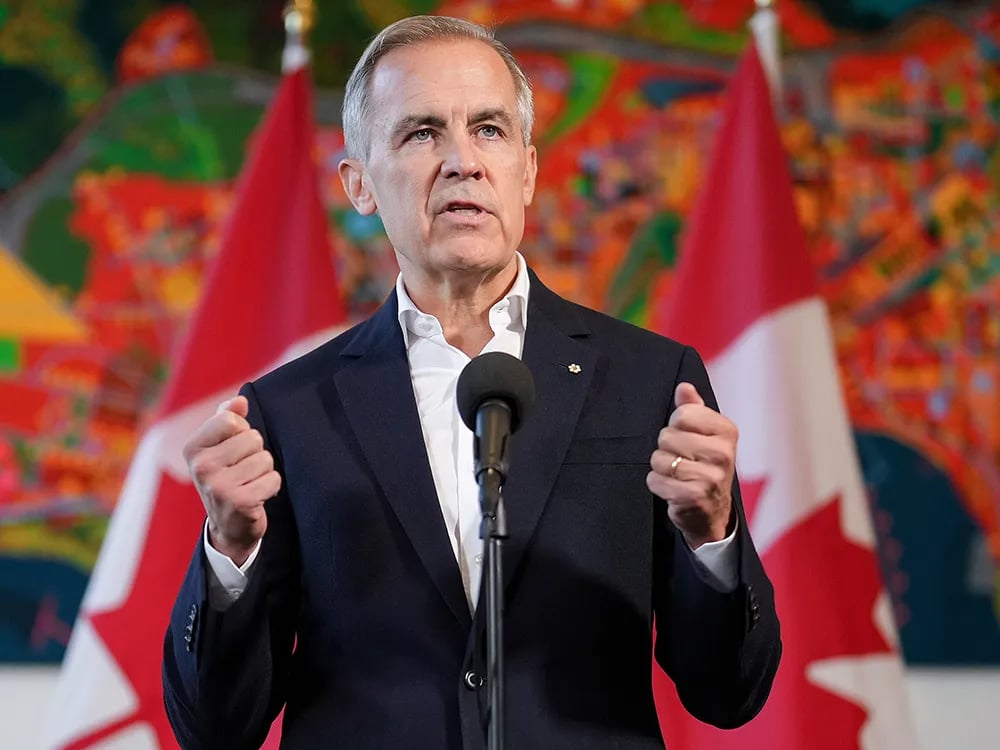
Trade data underscores the stakes involved. Canada remains the United States’ largest trading partner for goods, with bilateral merchandise trade exceeding $900 billion in recent years. Approximately 75 percent of Canadian exports are destined for the U.S. market, while U.S. firms rely heavily on Canadian inputs in automotive, energy, and critical minerals sectors. Disruptions to this integrated economic relationship carry immediate costs for consumers, manufacturers, and workers on both sides of the border.
Canadian officials have signaled that any formal response will likely combine diplomatic communication with targeted public messaging. Options under consideration include a direct statement from the prime minister reaffirming Canada’s commitment to mutual respect and partnership, enhanced engagement with U.S. congressional leaders who maintain strong cross-border ties, and continued pursuit of dispute resolution mechanisms under the USMCA framework. Retaliatory tariffs remain on the table as a last resort, though sources indicate a preference for avoiding further escalation unless negotiations reach an impasse.
President Trump has not publicly addressed the reported comment. White House spokespersons have declined to confirm or deny the private remark, instead directing attention to the administration’s broader trade objectives, including efforts to address perceived imbalances and protect domestic industries. Administration officials have repeatedly described recent tariff measures as necessary responses to unfair practices by trading partners, while expressing openness to agreements that deliver reciprocal benefits.
The incident arrives at a sensitive juncture for North American economic coordination. Both governments face domestic pressures to demonstrate toughness on trade, yet business communities in border states and provinces continue to advocate for stability and predictability. Recent economic indicators show modest upward pressure on input costs due to tariff-related uncertainty, though overall growth in both economies has remained resilient.
Analysts monitoring bilateral relations note that personal rhetoric between leaders can influence public perceptions and negotiating leverage. While substantive policy differences have long defined U.S.-Canada interactions, the injection of direct personal characterization risks shifting focus from technical issues to symbolic ones. Diplomatic practitioners emphasize the importance of maintaining professional channels even amid disagreement, pointing to the dense network of working-level contacts that sustain day-to-day cooperation.
For Canada, the episode reinforces the strategic imperative of diversifying trade relationships while preserving the U.S. link as the cornerstone of economic security. Ottawa has pursued strengthened ties with the European Union, Indo-Pacific partners, and Latin American markets in recent years, yet none offer the scale or proximity of the U.S. connection. The current tensions test Canada’s ability to defend its interests assertively without jeopardizing that core relationship.
In Washington, the reported remark aligns with a pattern of blunt language that the president has employed in trade discussions with multiple partners. Supporters argue such directness cuts through bureaucratic delays and compels counterparts to engage seriously, while critics contend it risks alienating allies at a time when coordinated responses to global challenges remain essential.
As Canadian officials finalize their approach, attention will focus on the tone and substance of any forthcoming statement or action. A measured response that reaffirms shared values and mutual dependence could help contain the fallout, while a more confrontational posture might harden positions on both sides. Either path carries implications for the pace and outcome of ongoing trade negotiations.
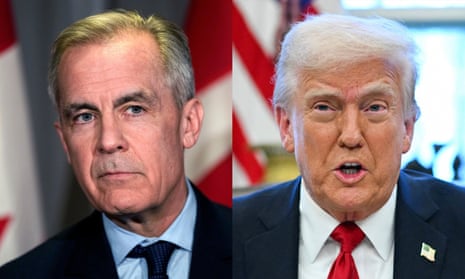
The broader U.S.-Canada partnership, built over decades through institutional mechanisms and people-to-people ties, has demonstrated resilience in the face of periodic strains. The current moment will test whether diplomatic professionalism and economic interdependence continue to outweigh rhetorical differences, allowing the two nations to return to pragmatic engagement on the issues that define their relationship.






