A Conservative MP has used a parliamentary procedure to introduce a bill aimed at amending the Public Order Act 1986, arguing that the legislation is being used to create de facto blasphemy laws that disproportionately protect Islam. The MP, Nick Timothy, made his case during a 10-minute rule motion on freedom of expression in the House of Commons, directly challenging what he described as a two-tier system of policing and justice.
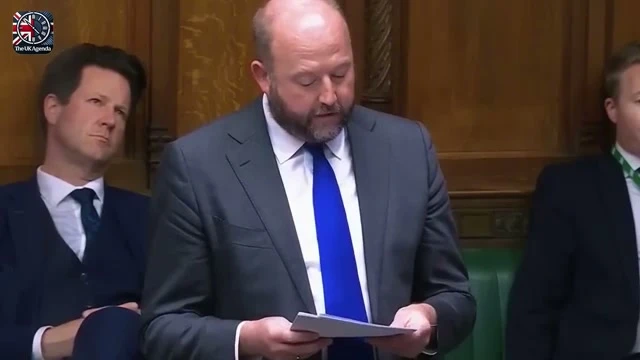
Addressing Madam Deputy Speaker, Timothy stated, “I do not believe that Muhammad was a prophet sent by God. I do not accept the instructions he said he received from the Archangel Gabriel.” He clarified that he respects the religious beliefs of others but does not mind if Muhammad is satirized, criticized, or mocked, adding that he believes nobody should be prosecuted for similar actions regarding Jesus. He noted that England and Wales abolished blasphemy laws in 2008 and Scotland in 2021, and that the last blasphemy trial took place in 1977.
Timothy argued that sections 4 and 5 of the Public Order Act 1986 are now being used “far beyond the intent of Parliament to police what we can and cannot say about Islam.” He claimed this represents a double standard, describing it as “rough justice for those belonging to identity groups that play by the rules and freedom from justice for those belonging to groups willing to take to the streets and threaten violence.” He stated he had been advised not to refer to two high-profile cases of people being arrested and prosecuted for causing harassment, alarm, or distress to Muslims.
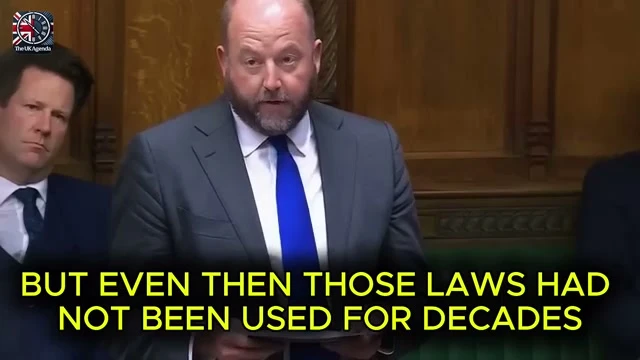
The MP connected the issue to the threat of violence, referencing figures “from Salman Rushdie to the back teacher still in hiding with his family.” He pointed to the existence of “at least 14 Muslim majority countries where the penalty for blasphemy or apostasy is death” and argued that with “the number of people here who came from these countries growing and the increasing assertiveness of organized political Islam in Britain, this is a problem that seems likely to only get more severe.” His proposed bill would restore free speech as it applies to religion in England and Wales.
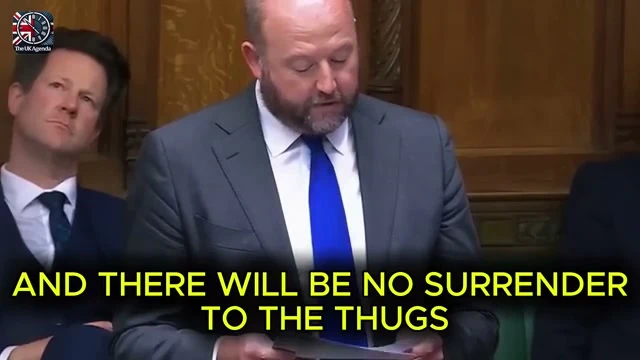
Timothy’s bill, he explained, would “stop the police, prosecutors, and judges from creating a blasphemy law from legislation that was never passed for that purpose.” He said it would send a message from Parliament “that this country will not tolerate intimidation, violence, or censorship” and that “there will be no special treatment here for Islam, and there will be no surrender to the folks who want to impose their beliefs and culture on the rest of us.”
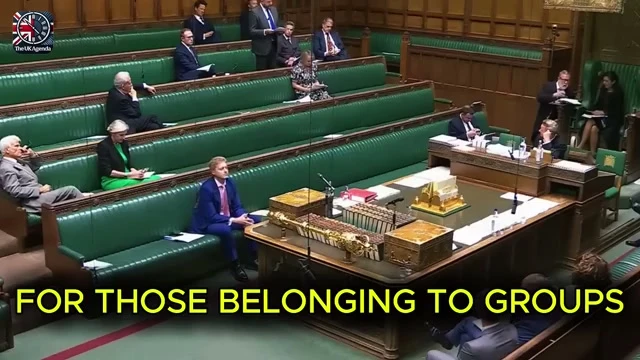
Following the speech, the question was put to the House. As many in the opinion said “Aye,” the Speaker declared, “The Ayes have it.” Timothy then named the members who would help prepare and bring in the bill, including John Cooper, Luke Evans, Richard Holden, Robert Jenrick, Rupert Lowe, Rebecca Powell, Jack Rankin, Alex Shelbrooke, Bradley Thomas, Tom Tugendhat, and Gavin Williamson.
The source of the report frames the event as a significant political moment, suggesting that the mainstream media will not cover the speech. The commentator in the source posed a question for viewers, asking whether a politician should face consequences for saying this in Parliament or if it is exactly what free speech looks like.
The development highlights a growing debate within Parliament over the application of the Public Order Act and the boundaries of free speech concerning religion. Timothy’s motion directly challenges the current legal framework and its enforcement, arguing that it has led to a system of unequal justice based on the identity of the group involved.
The outcome of the bill’s further progress through Parliament remains unknown at this time. The specific high-profile cases that Timothy referenced but did not name also remain unidentified in the source material.