Shell’s Massive LNG Bet Could Transform Canada Into a Global Energy Powerhouse
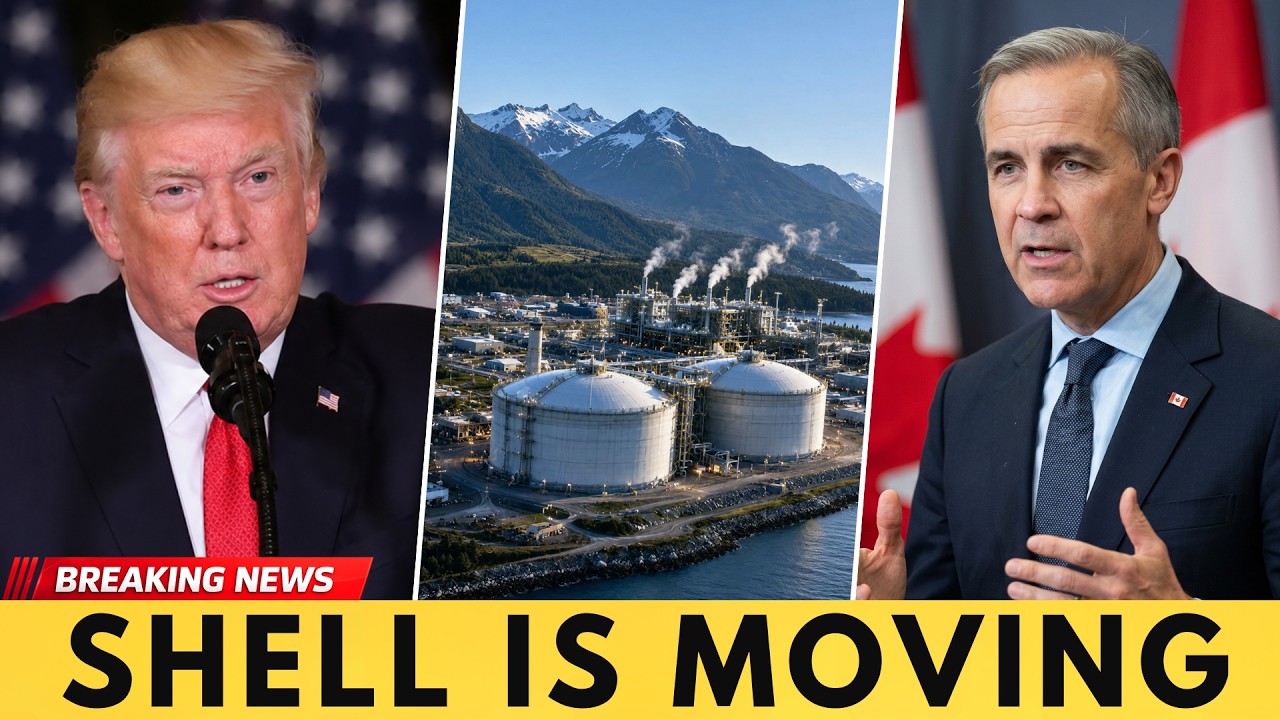
A major decision is approaching that could reshape Canada’s role in global energy markets for decades to come.
Energy giant Shell has committed hundreds of millions of dollars to advance planning for LNG Canada Phase 2, even before issuing a formal final investment approval.
In the energy industry, such a move is rarely made lightly.
When a company begins spending significant capital before a final decision, it often signals that executives believe the project is moving steadily toward approval.
At the center of the story is LNG Canada, a massive natural gas export facility located in Kitimat, British Columbia.
If Phase 2 receives full approval, the expansion could become the largest private-sector investment in Canadian history, with a total value estimated at approximately $40 billion.
The project is already one of the most important energy developments in North America.
LNG Canada Phase 1 began operations in 2025 and currently exports liquefied natural gas to customers across Asia.
Phase 2 would dramatically increase the facility’s scale by adding two additional processing trains and nearly doubling export capacity.
The expansion would raise annual production from roughly 14 million tonnes of LNG to as much as 30 million tonnes.

For decades, Canada has possessed some of the world’s largest natural gas reserves but lacked sufficient infrastructure to reach high-value overseas markets.
Most Canadian gas has traditionally been sold into North American markets at relatively low prices.
Meanwhile, customers in Asia and Europe often pay several times more for imported natural gas due to stronger demand and limited supply options.
That price gap has long represented a missed economic opportunity for Canadian producers.
LNG Canada was designed to bridge that gap by connecting western Canadian gas fields directly to international buyers through the Pacific Coast.
The project links the gas-rich Peace River region of northeastern British Columbia to Kitimat through the 670-kilometre Coastal GasLink pipeline.
From there, LNG tankers transport Canadian natural gas to major markets including Japan, South Korea, China, and other Asian economies.
The international nature of the project highlights its global significance.
Shell holds a 40 percent stake in the venture, while partners include PetroChina, Mitsubishi Corporation, Korea Gas Corporation, and Malaysia’s Petronas.
The participation of companies from Asia’s largest energy-importing nations reflects strong confidence in long-term demand for Canadian LNG.
According to industry estimates, Phase 1 alone generates billions of dollars annually in export revenue.
Phase 2 could substantially increase those figures while boosting royalty payments, corporate tax revenues, and returns for pension funds invested in energy companies.
Recent developments suggest momentum is accelerating.
On May 1, Shell and its partners approved a nine-figure funding package to support engineering work, procurement planning, commercial agreements, and negotiations with Indigenous communities.
One detail stands out in particular.
A portion of the funding is being directed toward evaluating long-lead equipment purchases, including specialized compressors and liquefaction systems that often require years to manufacture.
Companies generally avoid spending money on such preparations unless they are seriously considering construction.
Government support has also become increasingly visible.
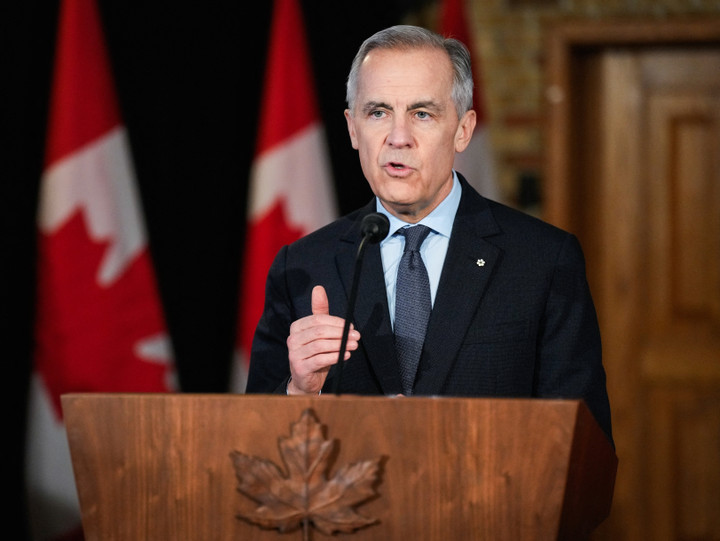
Canadian Energy Minister Tim Hodgson recently announced a cooperation agreement involving the federal government, British Columbia, and LNG Canada.
The goal is to address remaining issues and position the project for a final investment decision before the end of 2026.
British Columbia Premier David Eby has strongly endorsed the expansion, calling it a generational economic opportunity.
His support is particularly notable given past debates surrounding large-scale energy infrastructure projects in the province.
Supporters argue that LNG exports can provide economic growth while helping some countries reduce coal consumption and lower overall emissions.

However, significant challenges remain before a final approval can be secured.
One of the most important involves agreements with Indigenous communities affected by pipeline routes and terminal expansion plans.
Past disputes related to energy infrastructure have demonstrated how critical those relationships are to project success.
Market conditions also remain a factor.
Although LNG prices in Asia remain attractive compared to North American gas prices, global energy markets are known for volatility.
Shell and its partners must be confident that long-term demand will justify such a large investment.
Environmental reviews and marine terminal expansion requirements also continue moving through regulatory processes.
Despite these hurdles, many industry observers believe the project is closer to approval than ever before.
The combination of corporate spending, government coordination, and public support from key political leaders suggests growing confidence in the project’s future.
If LNG Canada Phase 2 moves forward, the impact could extend far beyond British Columbia.
It would significantly increase Canada’s export capacity, strengthen its position in global energy markets, and provide a new pathway for Canadian natural gas to reach customers willing to pay premium prices.
For years, Canada has watched other energy exporters capitalize on global LNG demand.
Now, with one of the largest energy projects in its history nearing a critical decision point, the country may finally be preparing to claim a much larger role in the international energy economy.






