SHOCKING UPDATE in “Proono Case” — Police Power Under FIRE as New Details EMERGE!
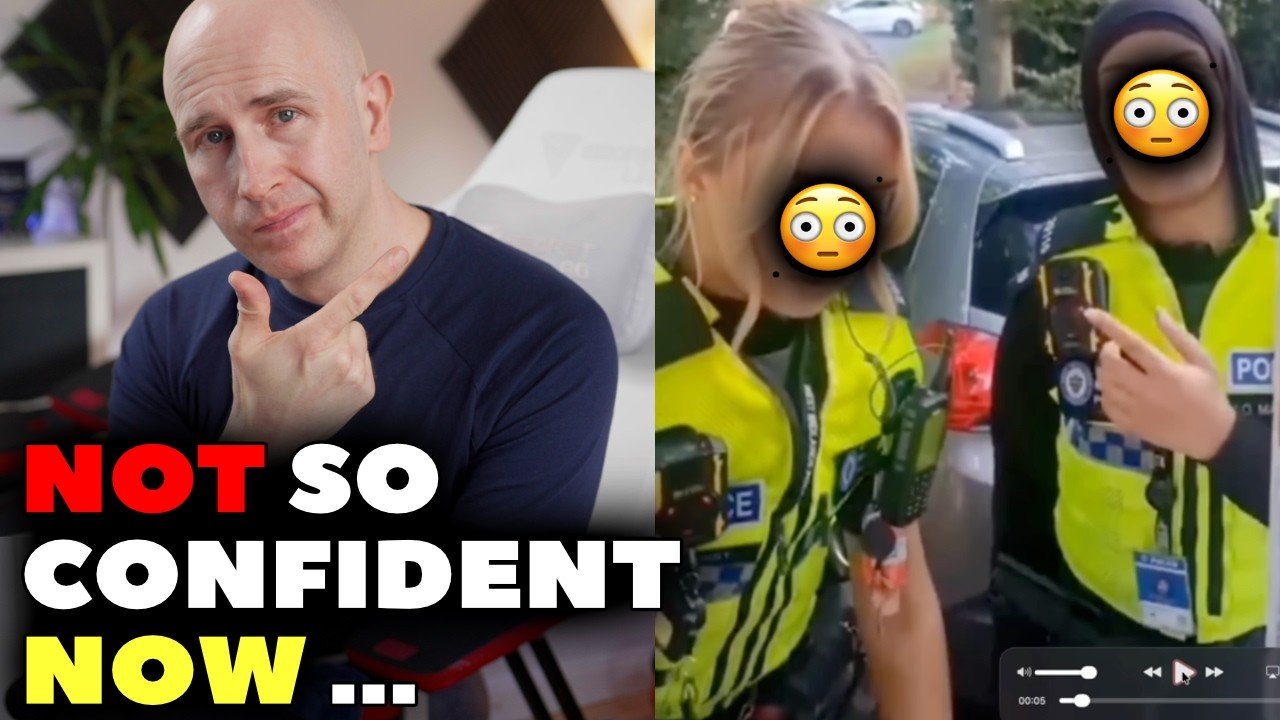
A dramatic new development in the so-called “Proono Case” is rapidly capturing public attention, transforming what initially appeared to be a routine police matter into a high-stakes legal controversy with far-reaching implications. The case centers on a deeply disputed incident involving police entry into a private home, raising urgent questions about the limits of police authority, individual rights, and the fragile balance between law enforcement power and civil liberties. As fresh details emerge, the situation is beginning to resemble the kind of high-profile legal drama more commonly associated with celebrity scandals—where public perception, media narratives, and legal strategy collide in unpredictable ways.
At the heart of the controversy lies a critical legal issue: whether officers lawfully entered the property under Section 17 of the Police and Criminal Evidence Act (PACE). This provision allows police to enter premises without a warrant under specific and narrowly defined circumstances, most notably for the purpose of making an arrest. However, in this case, no arrest was made. According to the available account, officers attended the home with the intention of seizing a mobile phone belonging to a young girl. Crucially, compliance was already in progress, as the girl had reportedly been instructed by her mother to retrieve the device voluntarily. This detail has become a focal point in the ongoing legal debate, as it directly challenges the necessity—and therefore the legality—of both the entry and any subsequent actions taken by the officers.
The situation becomes even more complex when considering the broader legal framework surrounding necessity and proportionality. Under PACE Code G, officers are required to justify the necessity of an arrest and must consider less intrusive alternatives before taking such action. If the objective—retrieving the phone—could have been achieved without entering the property or making an arrest, then the justification for invoking Section 17 may collapse entirely. Legal observers note that in similar cases, courts have ruled against law enforcement where less intrusive options were available but not adequately considered. This raises the possibility that the officers’ presence inside the home may have been unlawful from the outset, potentially exposing them to civil liability, including claims of trespass, unlawful seizure, and even assault and battery due to reported physical contact.
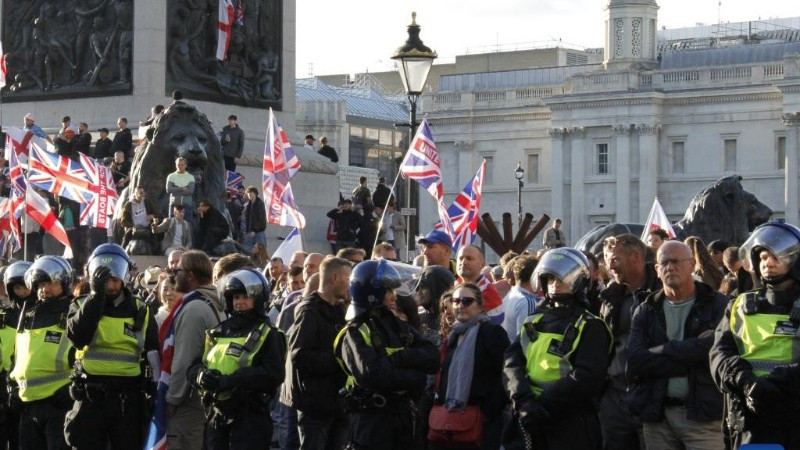
Adding to the controversy is the unresolved issue of body-worn camera footage. Despite an officer reportedly indicating that the footage could be disclosed, a full, unedited version has yet to be provided. While there is no absolute right to such disclosure in every situation, the absence of third-party privacy concerns and the fact that the case has resulted in no further action (NFA) against the individual involved make the continued withholding of the footage particularly notable. In high-profile cases—especially those attracting public scrutiny—such delays often fuel speculation and undermine confidence in the transparency of the investigation process.
Perhaps the most striking development, however, is the quiet removal of an official police statement that had previously labeled circulating accounts of the incident as “disinformation.” This deletion, along with similar actions taken by several media outlets, has intensified speculation that the initial narrative may have been incomplete or prematurely framed. While such removals do not constitute an admission of wrongdoing, they are frequently interpreted as a sign that the situation is more complex than originally presented. In an era where information spreads rapidly and public opinion can shift overnight, the retraction of authoritative statements carries significant reputational consequences.
The Proono Case is increasingly being viewed as a cautionary tale—not only about the legal boundaries of police power but also about the broader dynamics of information, perception, and accountability. It underscores how quickly a seemingly straightforward incident can evolve into a multifaceted legal and public relations challenge, particularly when key details remain contested or undisclosed. For many observers, the case highlights the importance of understanding one’s rights during interactions with law enforcement, especially within the sanctity of the home, where legal protections are traditionally strongest.
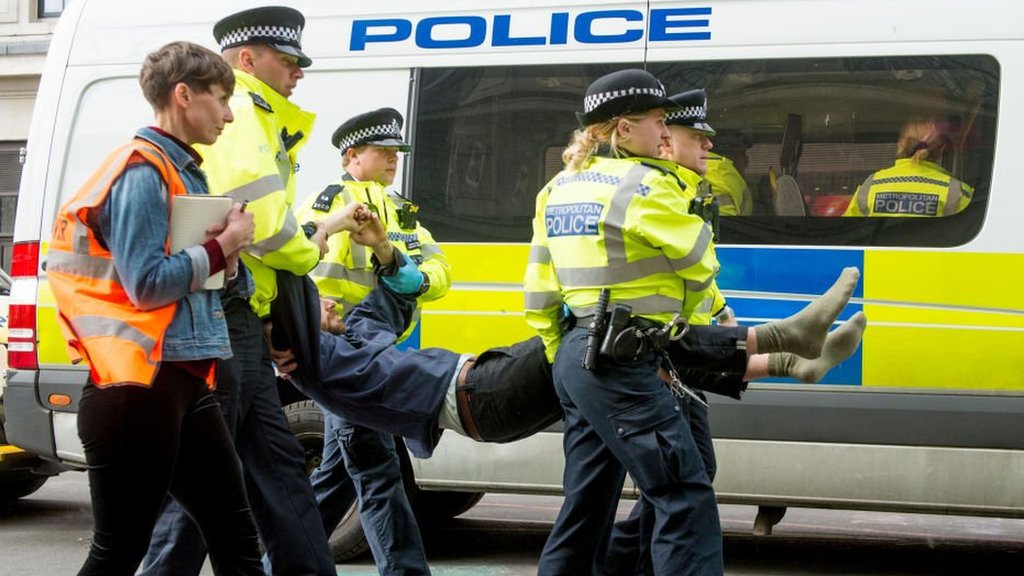
As the case continues to unfold, it remains a focal point for legal analysts, civil rights advocates, and an increasingly engaged public. With questions still unanswered and potential legal proceedings on the horizon, the Proono Case stands as a powerful example of how modern legal disputes can capture widespread attention—blurring the line between courtroom battle and headline-making spectacle.






