Prime Minister Keir Starmer is expected to come under intense pressure in the House of Commons today as the controversy surrounding the appointment of Peter Mandelson as US Ambassador continues to escalate, with critics accusing the government of gross incompetence at the highest level.
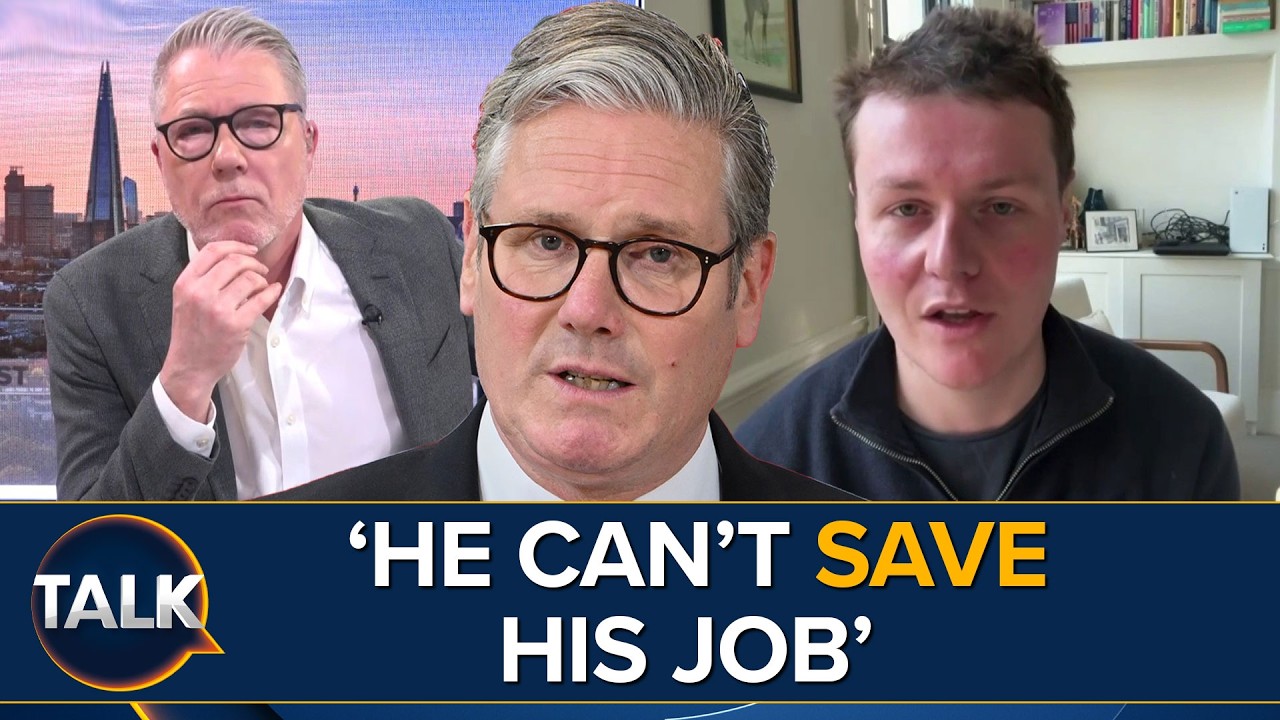
The scandal centres on the decision to appoint Lord Mandelson, a long-standing ally of the Prime Minister and a figure with well-documented past links to Jeffrey Epstein, despite reports that he failed top-tier security vetting. Questions have mounted over who knew what and when, with growing scrutiny on Downing Street’s handling of the process and Starmer’s personal judgment.
Political commentators have noted that Starmer appears to have few remaining options for deflecting blame, after a series of earlier controversies and sackings since taking office in July 2024. His team is reportedly preparing a robust defence that seeks to shift responsibility toward senior civil servant Ollie Robbins, who was involved in the vetting oversight. However, concerns have been raised that any such framing risks being undermined when Robbins appears before the Foreign Affairs Select Committee tomorrow.
Analysts suggest Number 10 is bracing for the possibility that Robbins could present documentation contradicting the government’s narrative, potentially exposing the Prime Minister to accusations of misleading Parliament. Even if Starmer successfully pins responsibility on officials, broader questions remain about why the Prime Minister himself appeared reluctant to probe the matter more deeply when concerns first surfaced.
In February, Starmer told the House of Commons that Mandelson had “completely misrepresented the extent of his relationship with Epstein” and had lied during due diligence. Critics argue it is implausible that such a sensitive briefing would not have included details on security vetting, raising doubts about the repeated insistence that “due process was followed”.
Further damage stems from a phone call seven months ago in which political journalist David Maddox directly asked Downing Street whether Mandelson had failed vetting. The government’s response at the time stuck rigidly to the line that proper procedures had been observed, without apparently launching an immediate internal inquiry. This has fuelled accusations of either deliberate misleading or staggering incuriosity at the heart of government.
The scandal has drawn comparisons to past controversies, particularly because of Starmer’s own record in opposition. Clips have resurfaced in which, as Labour leader, he sharply criticised Boris Johnson for claiming ignorance of events in Downing Street or for blaming advisers. Starmer argued then that a Prime Minister must take ultimate responsibility and cannot simply claim to have been misled by those around him.
Commentators have observed that Starmer’s electoral success in 2024 rested heavily on his image as “Mr Rules” — the steady, competent alternative to years of Conservative chaos. The current crisis, involving the appointment of a close associate to one of Britain’s most important diplomatic posts, risks undermining that brand at a time when Labour is already facing significant local election challenges.
On 7 May, local elections are widely expected to deliver heavy losses for Labour, described by some as a potential “bloodbath”. Such results could further embolden internal critics and intensify speculation about the Prime Minister’s long-term position. While senior figures such as Angela Rayner, Andy Burnham and Wes Streeting have been mentioned in private discussions, none currently appears to command the broad support needed for an immediate leadership challenge.
Starmer’s team remains confident that documentary evidence will support their position and has even pre-emptively published legal advice confirming that civil servants may inform ministers of vetting outcomes. Yet the deeper public perception centres less on the precise paper trail and more on the initial decision to appoint Mandelson and the apparent lack of rigorous questioning when red flags emerged.
Additional pressure looms from the forthcoming release of a second tranche of documents related to the appointment process. These are expected to include communications between Mandelson, Starmer’s senior advisers and others, potentially revealing further details about the handling of the issue both during and after the appointment.
The affair has cut through to the wider public in a way that more technical political stories often fail to do. The straightforward narrative — a Prime Minister appointing a friend of Jeffrey Epstein to a senior role despite vetting concerns — is seen as emblematic of competence failures at the top. For a leader who campaigned on restoring integrity and order after the turbulence of previous administrations, the optics are particularly damaging.
As Starmer prepares to address the Commons, the stakes are high. His statement and responses to questions could determine whether he emerges with a manageable “flesh wound” or sustains deeper political injury. Even if he navigates today’s session, the combination of looming local election losses and the pending document release suggests the scandal is unlikely to fade quickly.
The episode highlights ongoing tensions between ministers and the civil service, questions about accountability in Downing Street, and the enduring political cost of perceived hypocrisy. For now, Starmer is expected to survive the immediate parliamentary test, but his authority appears significantly weakened, with his premiership increasingly defined by crisis management rather than the calm competence he once promised.






