Support for Alberta Separation Referendum Drops to Less Than 1 in 5 Ahead of Debate
CALGARY — Support for Alberta’s planned separation referendum has fallen sharply, with new polling showing only 19 percent of Albertans would vote in favor of moving ahead with a binding vote on leaving Canada.
The Ipsos survey for Global News, conducted between May 28 and June 1, indicates a notable decline in separatist sentiment across the province.

Sharp Decline Since January
The 19 percent yes vote represents a drop of about one-third since January, when support for separation stood near 30 percent. The question on the October ballot asks Albertans whether they support beginning a process toward separation.
The results suggest the momentum that appeared to be building earlier this year has cooled considerably.
National Sentiment Strong Against Separation
Across Canada, opposition to Alberta leaving the federation remains overwhelming. Roughly 80 percent of Canadians say they prefer Alberta to remain part of the country, with 60 percent believing the decision should not be left solely to Albertans.
This view is particularly strong outside Alberta, reflecting a national attachment to Canadian unity.
Quebec Contrast
Attitudes differ markedly in Quebec, where support for the idea that other Canadians should have a say in any separation vote is significantly lower. The province’s own history of sovereignty debates appears to shape more hands-off perspectives on Alberta’s situation.
Weaker Commitment Among Yes Voters
Those intending to vote against separation expressed much higher certainty in their position, with 90 percent saying they were firm in their choice. By contrast, only 70 percent of potential yes voters felt equally committed, meaning nearly three in ten could still change their minds before October.
Urban-Rural Divide
Support for separation varies significantly by region. In Calgary, only 12 percent said they would vote yes, while Edmonton stood at 16 percent. Rural Alberta showed higher support at around 27 percent, highlighting a persistent urban-rural split on questions of provincial autonomy and federal relations.

Broader Political Context
The polling arrives amid ongoing tensions between Alberta and the federal government in Ottawa. Disputes over energy policy, pipelines, equalization payments and environmental regulations have fueled frustration in the province for years.
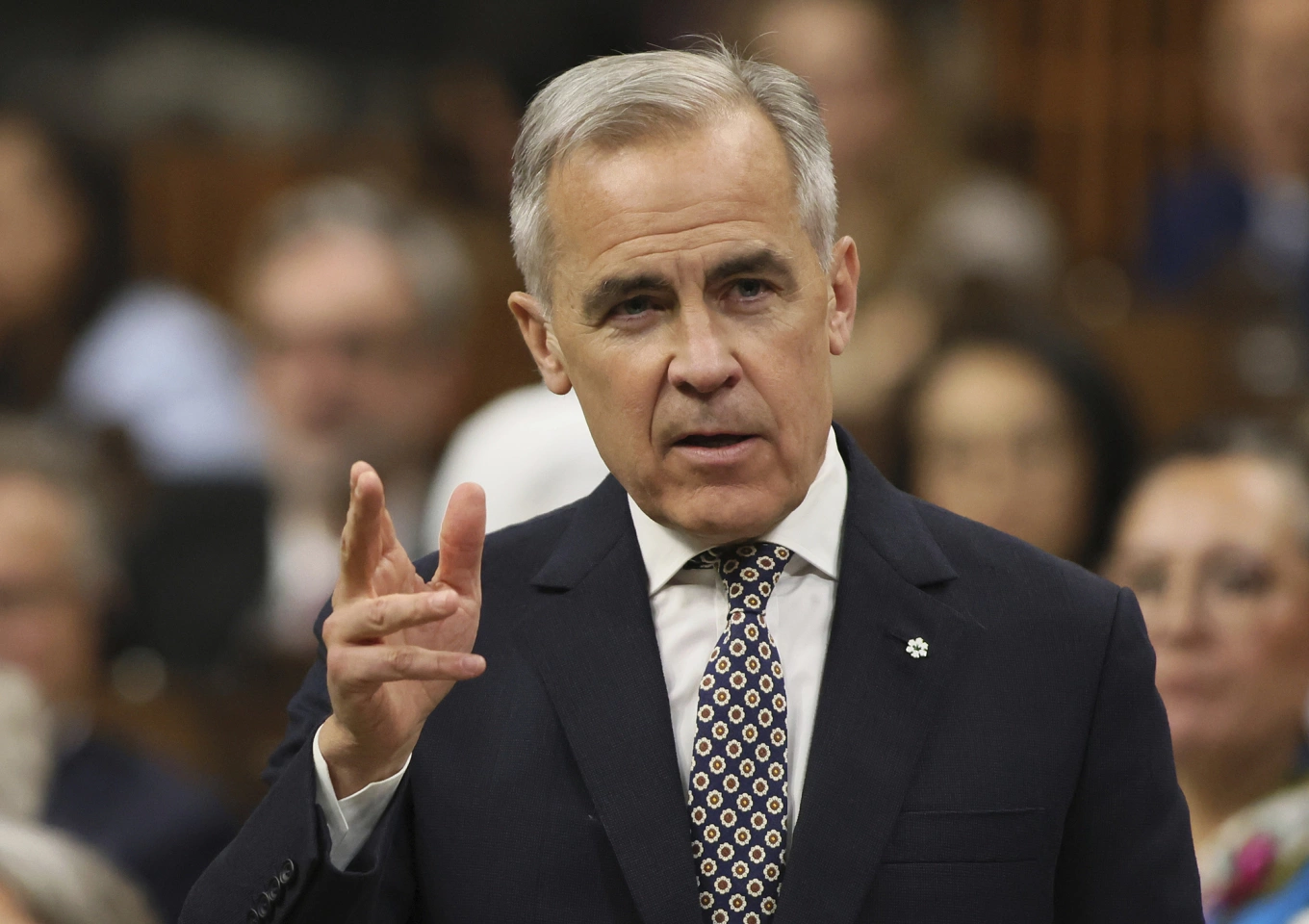
Prime Minister Mark Carney’s government has faced criticism from some Albertans for perceived insufficient support for the oil and gas sector, even as it pursues new pipeline agreements.
Referendum Background
The upcoming referendum was initiated by the provincial government under Premier Danielle Smith. While not legally binding in a way that could immediately trigger separation, a strong yes vote would increase pressure on both provincial and federal leaders to address Alberta’s grievances.
Legal experts have noted that any actual separation would require complex constitutional negotiations under the Clarity Act.
Economic Underpinnings
Alberta’s economy remains heavily tied to resource extraction, particularly oil and natural gas. Global price fluctuations, federal carbon policies and market access issues have contributed to a sense of economic vulnerability in the province.
Many residents feel that federal decisions disproportionately harm Alberta while benefiting other regions.
Federal Response
The Carney government has emphasized national unity and economic diversification. Officials argue that Alberta’s prosperity is best served within a strong Canada, pointing to new infrastructure deals and efforts to expand non-U.S. trade markets.
Public Fatigue
Some analysts suggest the drop in support reflects voter fatigue with prolonged constitutional debates. While grievances remain real, the practical challenges and economic risks of separation appear to be weighing more heavily on Albertans as the referendum nears.
Implications for October
With support now below 20 percent and commitment levels soft among yes voters, the referendum outcome looks increasingly likely to favor staying in Canada. However, even a modest yes vote could keep separatism alive as a political force in the province.
National Unity Questions
The poll underscores broader challenges to Canadian federalism. While outright separation remains unpopular, regional discontent — particularly in the West — continues to test national cohesion.
Quebec’s distinct perspective on the issue highlights how different provinces view questions of autonomy.
Looking Ahead
As the campaign intensifies, both provincial and federal leaders will face pressure to address Alberta’s economic concerns without inflaming regional divisions. The referendum, regardless of outcome, is expected to dominate political discussion through the fall.
Poll Methodology
The Ipsos poll surveyed a representative sample of Albertans and Canadians. Margins of error were not detailed in initial releases, but the trend line shows a clear downward movement in separatist sentiment over recent months.
The results provide a snapshot at a moment when economic pressures and political rhetoric remain elevated.
A Shifting Mood
The decline in support suggests Albertans are weighing the emotional appeal of independence against the practical realities of leaving Canada. For now, the data points toward continued — if uneasy — unity.






