Donald Trump built his political rise on a simple promise: that he would restore American strength and command renewed respect abroad. This week, that claim collided with a far less flattering reality. New international polling suggests that under Trump’s leadership, the United States is increasingly viewed not as a stabilizing force, but as a source of disruption—by allies who once formed the bedrock of American global influence.
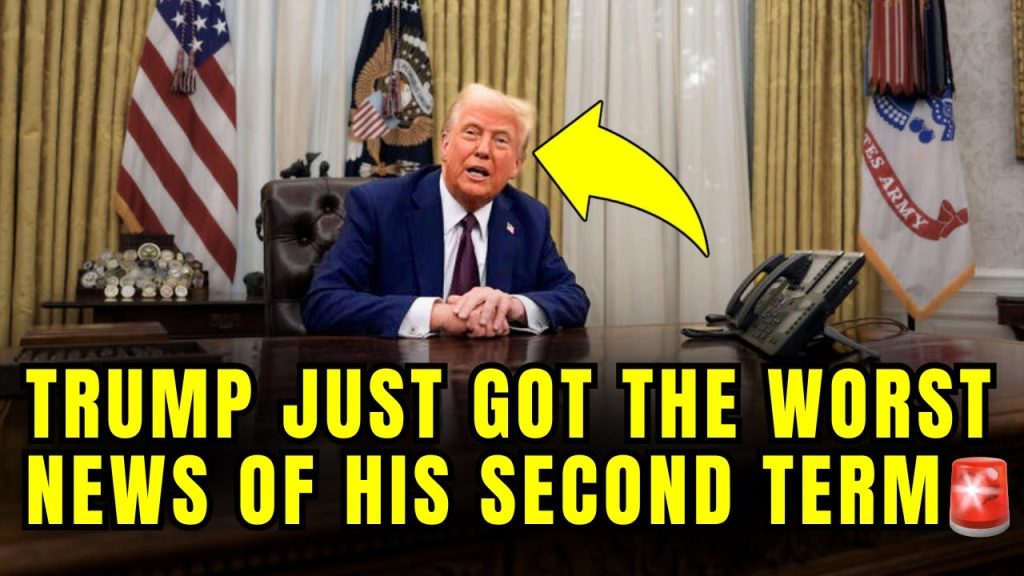
The findings are striking in both scope and symbolism. In Canada, America’s closest neighbor and most integrated partner, a majority of respondents now say the United States is a negative force in world affairs. In Germany and France, pluralities agree. Even in the United Kingdom, long regarded as Washington’s most reliable ally, more people now believe the United States causes problems internationally than solves them.
Such views would have been almost unthinkable a decade ago. They reflect a profound shift in how America is perceived—not because of a single policy decision, but because of a pattern of behavior that has accumulated over time. Trump’s open hostility toward multilateralism, his repeated insults aimed at allied leaders, and his willingness to frame cooperation as weakness have reshaped America’s image abroad.
Trump has often argued that bluntness is strength. He has dismissed criticism from allies as freeloading, questioned the value of longstanding security commitments, and portrayed trade relationships as zero-sum contests. In speeches and social media posts, he has described Europe as weak, praised strongman tactics, and treated diplomacy less as a tool of statecraft than as an arena for personal dominance.
For Trump’s supporters, this approach signals independence and resolve. For many outside the United States, it signals unpredictability.
The polling suggests that this perception is no longer confined to political elites. Across multiple countries, large portions of the public now say the United States challenges its own allies rather than supporting them. In Canada, nearly two-thirds of respondents believe America creates problems for other nations. Majorities in Germany and France echo that view. These are not abstract judgments; they shape how governments justify cooperation with Washington to their own voters.
The consequences extend beyond reputation. Alliances function on trust—on the belief that commitments made today will still matter tomorrow. When that trust erodes, coordination becomes harder. Trade negotiations grow more contentious. Security planning becomes more fragmented. Rivals gain space to exploit uncertainty.
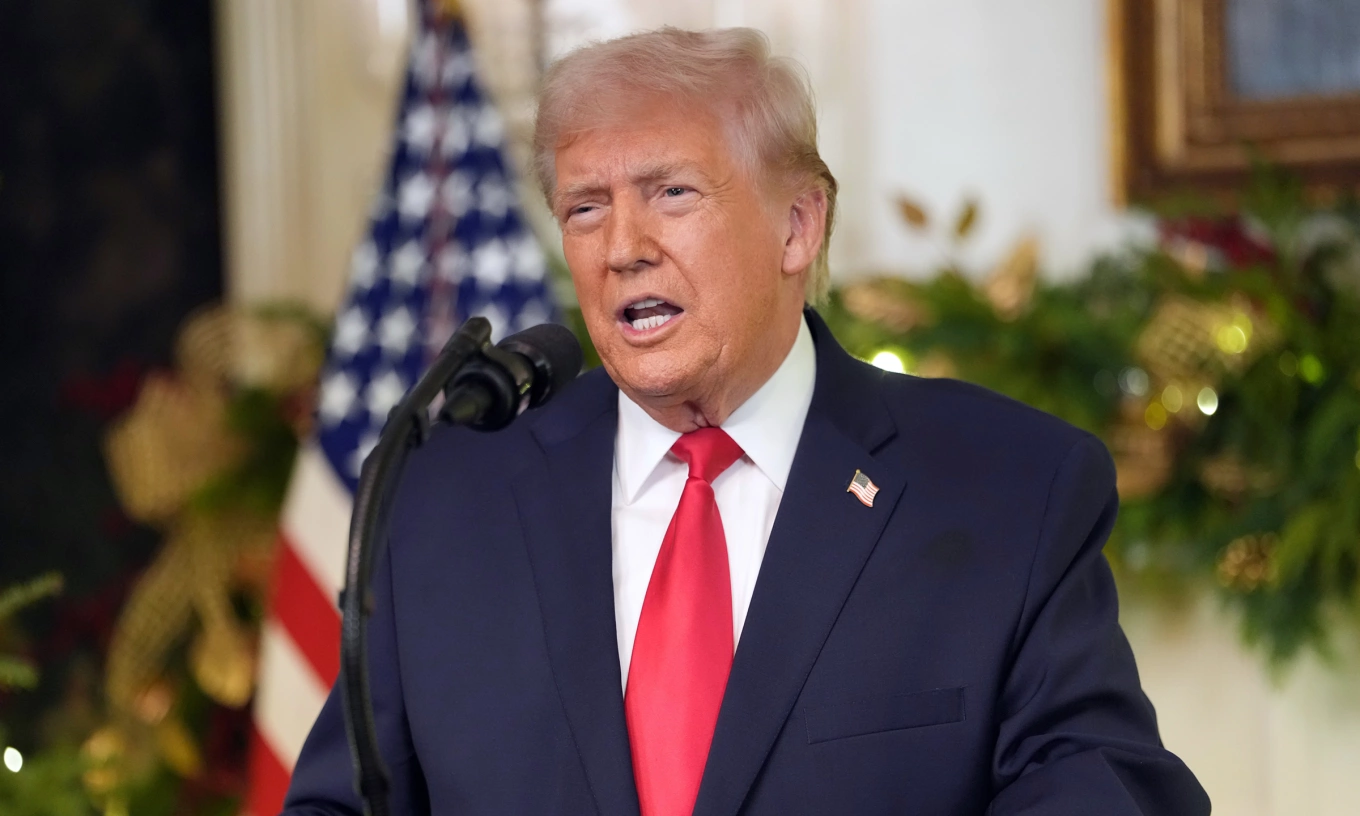
Trump’s defenders argue that global opinion should not dictate American policy. They contend that previous administrations were too eager to please allies at the expense of domestic priorities. From this perspective, international disapproval is a price worth paying for renegotiated trade deals, higher defense spending by partners, or a more confrontational posture toward competitors.
Yet even by those standards, the current backlash raises questions. The polling does not suggest grudging respect for a tougher America. It suggests something more damaging: a belief that the United States has become unreliable. Strength that cannot be predicted, allies warn, is difficult to follow.
The timing of the backlash also matters. It comes amid domestic unease over affordability, health care, and corruption—issues that polling shows are driving Trump’s declining standing at home. For many Americans, the promise of restored global respect was meant to compensate for political disruption. Instead, critics say, the country is absorbing the costs of disruption without the compensating benefits.
Trump himself has responded to criticism in familiar terms, dismissing unfavorable assessments as biased or irrelevant. He has often framed foreign disapproval as evidence that he is finally standing up for American interests. But the gap between his self-assessment and international sentiment has grown too wide to ignore.
What makes the moment particularly consequential is that reputations, once damaged, are slow to repair. Allies who feel publicly humiliated or strategically sidelined do not simply reset with the next press conference. They hedge. They diversify partnerships. They become more cautious about aligning their futures too closely with Washington’s.
The United States has weathered periods of global criticism before, most notably during contentious wars. But those moments were often tempered by a broader sense of institutional continuity and shared values. Today’s backlash feels different because it is tied so explicitly to personality and posture rather than to a single policy choice.
Under Trump, foreign policy has become deeply personalized. Decisions are framed as extensions of his brand, his grievances, and his instincts. That personalization has made American leadership feel contingent—strong when aligned with Trump’s priorities, brittle when challenged.
The polling does not mean the world has “revolted” in any literal sense. Governments continue to work with Washington where interests align. But it does signal a quiet recalibration. Respect, once assumed, is now conditional. Leadership, once expected, is now questioned.
For a president who promised to make America respected again, that may be the hardest news of all. The measure of power is not how loudly it is proclaimed, but how willingly others respond to it. And according to America’s closest allies, the response to Trump’s version of leadership has grown colder, more skeptical, and increasingly distant.
In global politics, isolation rarely arrives all at once. It accumulates—in polls, in perceptions, in missed opportunities for cooperation. This week’s numbers suggest that accumulation is well underway.