Tariff Uncertainty Raises New Questions for Ottawa as Carney Positions Canada for a More Diversified Economic Future
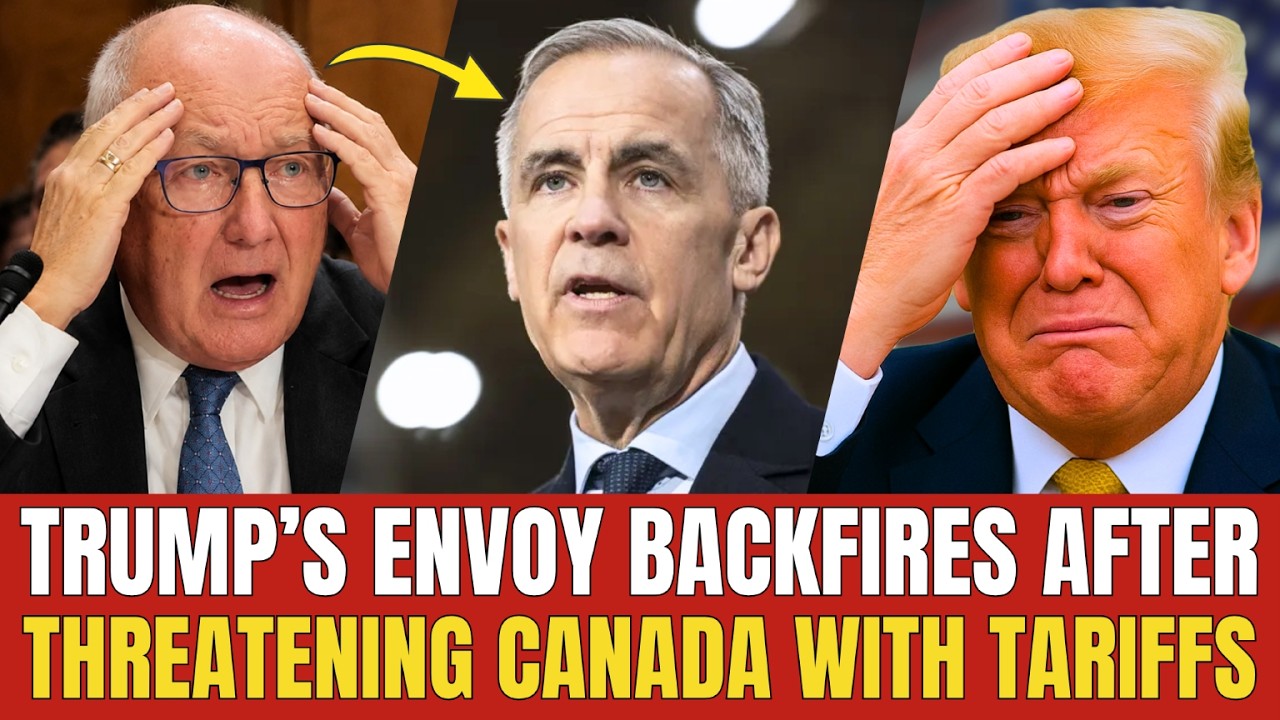
The latest chapter in Canada–United States trade relations has drawn renewed attention in Ottawa after comments from U.S. Ambassador Pete Hoekstra suggested that broad tariff policies championed by President Donald Trump may remain a long-term feature of American trade strategy. The remarks have intensified discussion about Canada’s economic future and the extent to which Ottawa should continue reducing its dependence on its largest trading partner.
Prime Minister Mark Carney has emerged as the central political figure in this debate. While the federal government continues to engage with Washington on trade issues, Carney has increasingly emphasized diversification, investment stability, and stronger commercial relationships beyond North America.
The controversy began after Hoekstra stated in an interview that Canada should not expect substantial tariff relief and that tariff policies were being applied broadly across global trading relationships. His comments immediately attracted attention among Canadian industries that rely heavily on cross-border commerce.
For many observers, the timing of the remarks was particularly significant. Businesses on both sides of the border are already preparing for the upcoming review of the Canada–United States–Mexico Agreement, and uncertainty surrounding future trade rules has become a growing concern for manufacturers, investors, and exporters.
The discussion unfolded against the backdrop of an economy in which billions of dollars in goods continue to cross the Canada–U.S. border daily. Automotive supply chains remain deeply integrated, while energy, forestry, aluminum, and agricultural sectors continue to rely on longstanding commercial connections between the two countries.
At the same time, another dispute has emerged involving Canada’s broadcasting and streaming regulations. The Canadian Radio-television and Telecommunications Commission announced expanded contribution requirements for major foreign streaming platforms operating in Canada, a move designed to support domestic cultural production.
American industry organizations reacted quickly, arguing that the framework could affect trade obligations and potentially become part of wider bilateral discussions. The dispute has therefore expanded beyond traditional sectors such as manufacturing and commodities into technology, entertainment, and digital services.
Political reaction in Ottawa has reflected broader divisions about how Canada should respond. Conservative Leader Pierre Poilievre warned that escalating disagreements with Washington could expose Canadian industries to additional pressure, particularly in sectors already affected by tariffs.
Meanwhile, Carney adopted a different approach. Rather than focusing public attention on direct confrontation with the White House, he directed significant attention toward meetings with investors, financial institutions, and major American corporations. That strategy appeared designed to reassure markets that Canada remains a predictable destination for investment.
The distinction is important because uncertainty itself increasingly carries economic consequences. Businesses planning major investments often depend on stable regulatory and trade environments. When long-term tariff risks become difficult to predict, companies frequently delay expansion plans or reassess sourcing decisions.


As the debate intensified, analysts noted that financial markets often interpret political messaging differently than elected officials do. While governments may view tariffs as negotiating tools, investors frequently evaluate them as indicators of future operating conditions and long-term risk.
The automotive sector illustrates these concerns particularly clearly. Manufacturing operations in Ontario and several American states function through highly integrated supply chains where components regularly cross the border multiple times before final assembly. Even modest increases in uncertainty can influence production planning and investment decisions.
Another factor drawing attention is Canada’s role in supplying key resources to the United States. The transcript highlighted American reliance on Canadian energy supplies and agricultural inputs, underscoring the extent to which economic interdependence continues to shape bilateral relations despite growing political tensions.
Carney’s government has responded by accelerating discussions involving Europe and Asia while pursuing opportunities connected to liquefied natural gas, critical minerals, nuclear energy, and defence manufacturing. These initiatives reflect a broader effort to reduce exposure to shifts in U.S. political priorities.
Supporters of diversification argue that expanding Canada’s international partnerships could strengthen economic resilience and provide greater flexibility during periods of trade disruption. Critics, however, continue to stress the enduring importance of the American market and caution against moves that could weaken cooperation with Canada’s largest trading partner.
The dispute has also raised broader concerns about government accountability and long-term economic planning. Business leaders, provincial governments, and industry groups are increasingly seeking clarity regarding how Ottawa intends to navigate future negotiations with Washington while maintaining competitiveness.
In Parliament, discussions surrounding trade strategy have highlighted widening divisions within Parliament over how aggressively Canada should pursue diversification. While there is broad recognition of the importance of preserving access to U.S. markets, opinions differ regarding the pace and scope of alternative partnerships.
What appears increasingly clear is that Ottawa’s current approach seeks to balance two objectives simultaneously: maintaining productive relations with Washington while creating new opportunities abroad. That balancing act has become more prominent as uncertainty surrounding future tariff policies continues to grow.
The ambassador’s remarks may therefore have implications extending beyond immediate trade negotiations. By reinforcing concerns about long-term policy unpredictability, they have prompted renewed debate across Canada’s political landscape regarding economic sovereignty, investment attraction, and national competitiveness.
For Carney, the challenge will be demonstrating that diversification efforts can complement rather than replace the economic relationship with the United States. His government has generally offered a carefully measured response, emphasizing stability and long-term planning rather than escalating rhetoric.
Ultimately, the developments highlighted this week illustrate how closely politics, investment decisions, and trade policy remain intertwined across North America. As Ottawa prepares for future negotiations and businesses continue evaluating risk, the debate remains unresolved within Canada’s broader political landscape.






