Courtroom Clash: Ted Lieu Confronts Pam Bondi Over Conflicting DOJ Statements in Explosive Hearing
A tense moment unfolded during a recent hearing of the U.S. House Judiciary Committee, when Representative Ted Lieu confronted Attorney General Pam Bondi with a document that appeared to contradict her own sworn testimony about the Department of Justice’s review of materials connected to Jeffrey Epstein. The exchange quickly became one of the most talked-about moments of the hearing, raising questions about inconsistencies between written correspondence and statements made under oath.
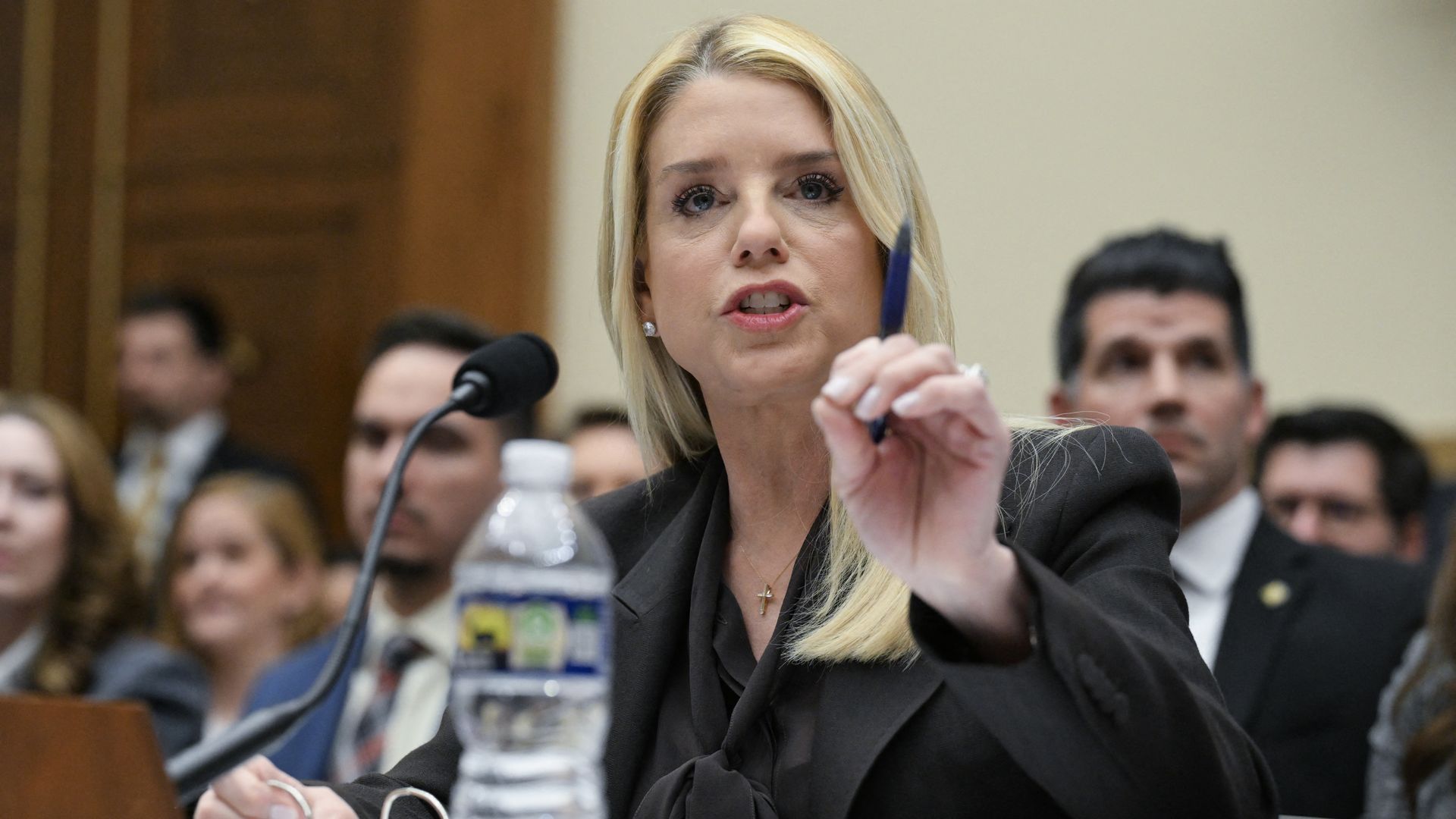
The confrontation centered on a letter dated February 21 that had been sent by the United States Department of Justice to the committee. According to the document, the department stated it had completed its review of Epstein-related materials and determined that no further investigative or prosecutorial action was warranted at that time. The letter, signed by Bondi, was part of the department’s official response to congressional inquiries about the status of the review.
However, during the March 7 hearing, Bondi offered a different description of the situation while responding to lawmakers’ questions. In her testimony, she stated that the Department of Justice review of Epstein-related materials was still ongoing and that officials were continuing a “thorough and comprehensive process.” The discrepancy between the letter and the testimony prompted Lieu to place both statements side by side and ask a direct question: which version accurately reflected the department’s position.

Lieu emphasized that the committee had received additional written responses from the department after the February 21 letter, each stating that no new materials had been identified since the review was completed. By presenting those responses alongside the earlier letter and Bondi’s testimony, he argued that the timeline raised concerns about how the department was describing the status of its investigation to Congress.
Bondi responded by suggesting that the February letter referred to the completion of a particular phase of the review, while subsequent developments required continued evaluation. Yet Lieu countered that the committee’s follow-up correspondence from the department did not indicate any new evidence or developments that would explain the shift from a completed review to an ongoing one.
The exchange created a brief moment of silence in the hearing room as lawmakers considered the implications of the conflicting statements. While Bondi did not provide further details clarifying the discrepancy during the hearing, the documents entered into the official record now form part of the committee’s oversight of the Justice Department’s handling of Epstein-related materials.
Observers noted that the incident illustrates the high level of scrutiny facing the Justice Department as lawmakers examine past investigations tied to Epstein and individuals who had connections to him, including Donald Trump. As congressional oversight continues, the question raised during the hearing—whether the department’s review was completed or still underway—may remain a central issue in ongoing discussions about transparency and accountability.






