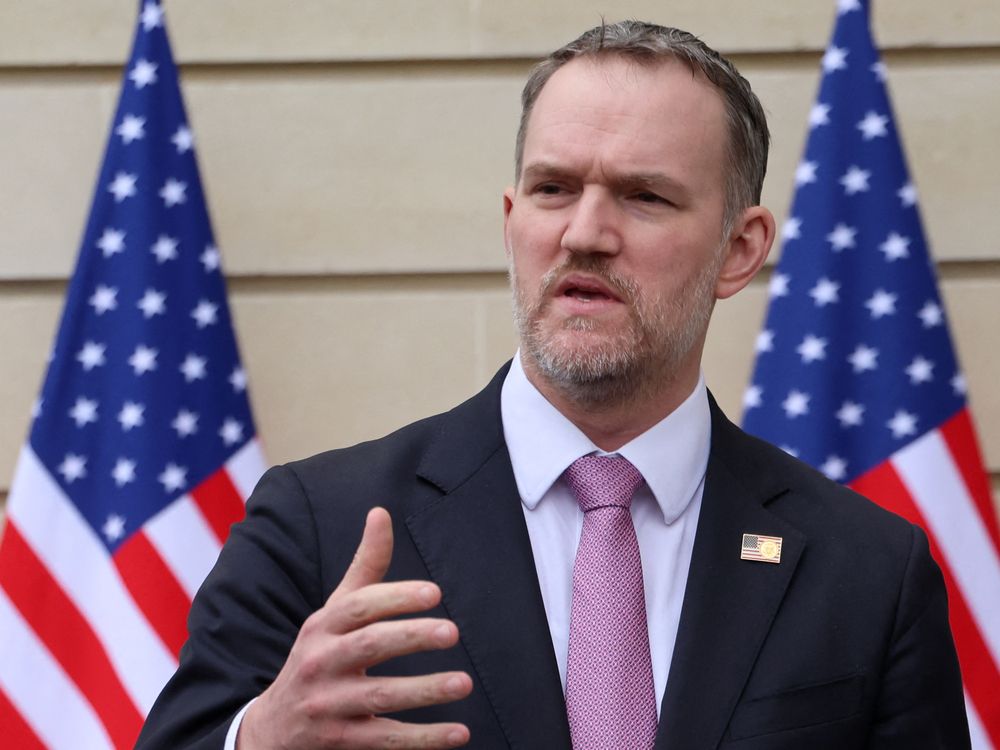
OTTAWA — In the high-octane world of North American trade, three words uttered on a business news circuit can shift the economic tectonic plates of a continent. When U.S. Trade Representative Jameson Greer recently told Fox Business that “Canada is behind” in the CUSMA (USMCA) negotiations, he wasn’t discussing innovation or defense. He was signaling a strategic fracture. With only 93 days remaining until the July 1st deadline, Canada finds itself in an unfamiliar and uncomfortable position: trailing Mexico in the most consequential trade negotiation in its history, while the ghost of a televised advertisement continues to haunt the diplomatic corridors of Washington.
The current disparity is not merely a matter of administrative pacing; it is a structural divide. While the Trump administration launched formal bilateral negotiations with Mexico on March 5th—complete with scoping sessions and a defined negotiating track—Canada’s engagement has been relegated to a single face-to-face meeting on March 6th. For Mexico, the focus is on technical “rules of origin” and preventing the country from becoming a “back door” for Chinese and Vietnamese goods. For Canada, however, the table remains empty of formal sessions, leaving Ottawa with little more than a “constructive” handshake where Mexico has a locked-in process.
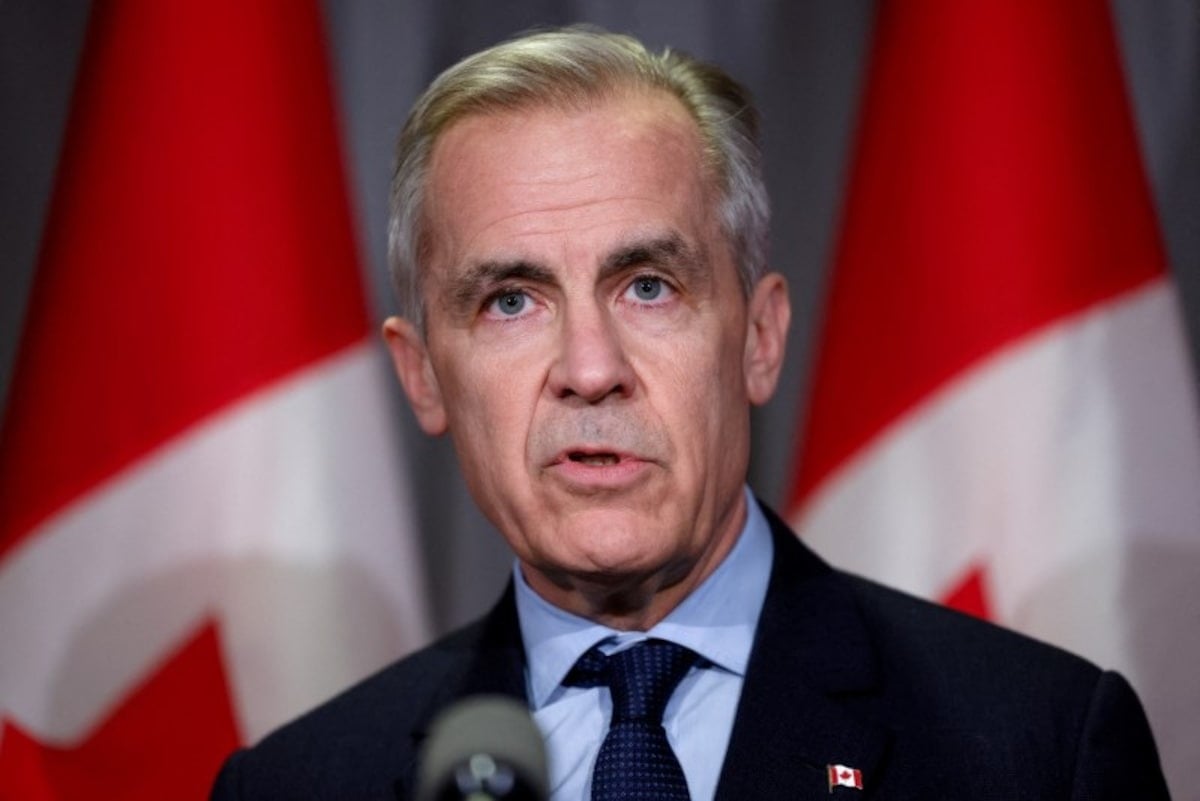
To understand how the “Special Relationship” hit this snag, one must look back to last October and a World Series television spot. When the Ontario government ran an ad featuring Ronald Reagan warning that “tariffs hurt American workers,” the reaction from Mar-a-Lago was explosive. President Trump termed the move “fraudulent,” and the subsequent five-month freeze in trade talks was applied exclusively to Canada. While Mexico maintained its momentum through the winter, Canada’s trade machinery went cold. Prime Minister Mark Carney’s new team—including chief negotiator Janice Charette and Ambassador Mark Wiseman—is now tasked with a cold start in a race that is already mid-sprint.
The risk of this “lag” is not just optics; it is existential. U.S. Ambassador Pete Hoekstra recently confirmed that no substantive talks occurred between October and March, validating Greer’s “behind” label. If Washington finalizes a bilateral deal with Mexico first, Canada loses its primary source of leverage: trilateral solidarity. There is a growing fear in Ottawa that the U.S. might present a “take it or leave it” offer, forcing Canada to accept unfavorable terms on energy, dairy, and streaming services simply to avoid being left outside a two-nation trade bloc that governs the majority of continental commerce.
However, within the Carney administration, there is a quiet insistence that this “slow-walking” is a feature, not a bug. From Carney’s perspective, Canada’s most potent cards—the Keystone XL proposal, the critical minerals necessary for the U.S. tech sector, and the oil that fills 63 percent of the American import gap—are too valuable to play in a preliminary March skirmish. The strategy appears to be one of “systematic leverage building,” aimed at a crescendo in June. A negotiator who reveals their full hand 90 days early has nothing left for the final hour of July 1st.
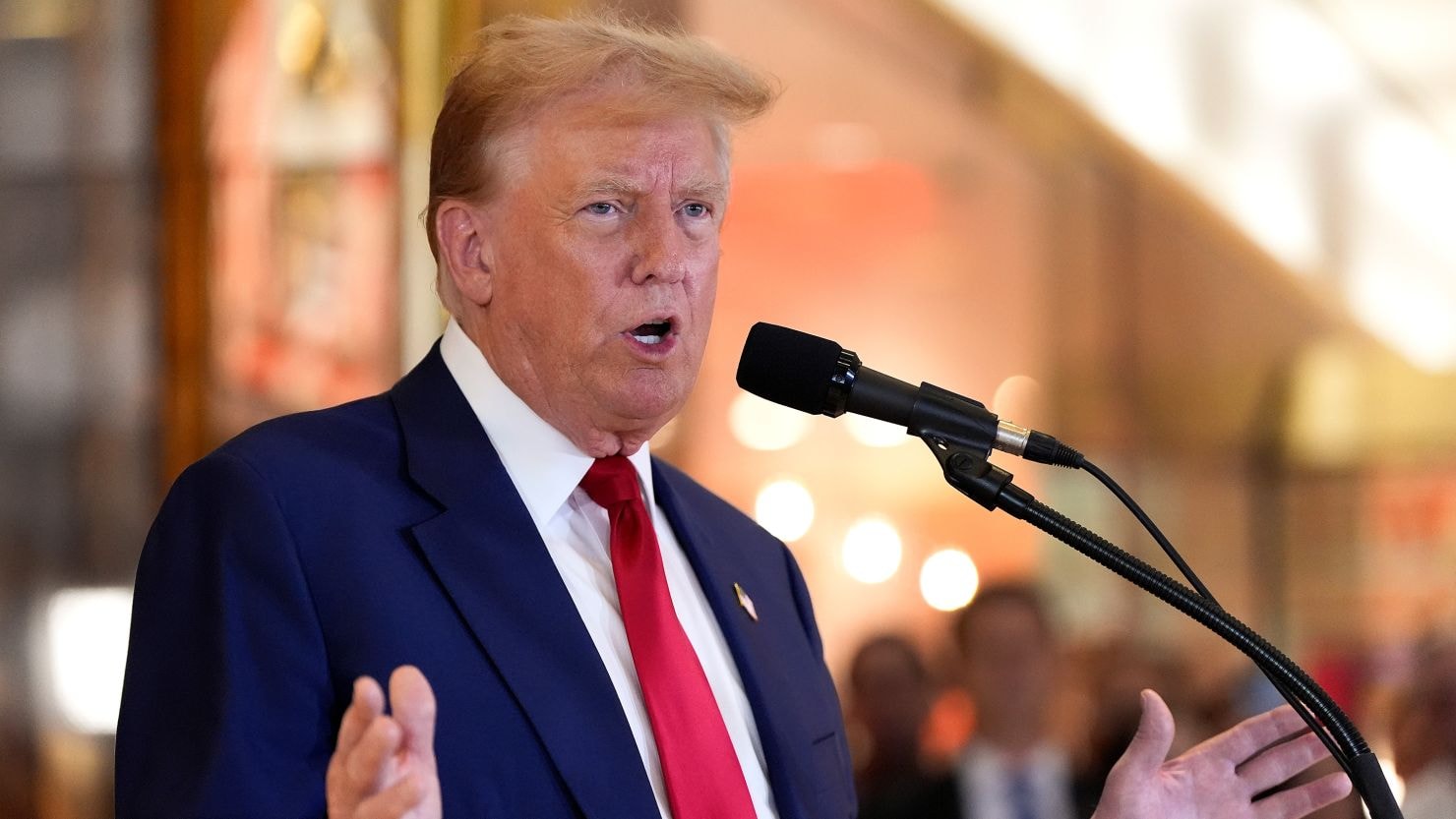
The nature of the disputes also differs fundamentally. While Mexico’s “China problem” is a technical manufacturing issue, Canada’s “irritants” are deeply political and cultural. From supply management in dairy to digital service taxes, the U.S. is seeking structural changes to long-standing Canadian policies. This complexity suggests that Canada’s path was always destined to be more arduous than Mexico’s. As one trade expert noted, the resumption of talks means the U.S. must finally provide specifics, shifting Canada from a defensive posture to a responsive one.
The economic stakes of failure are modeled in stark terms by the Bank of Canada. If CUSMA were to expire without renewal, Canadian exports would lose their tariff protections overnight. The resulting uncertainty would not just hit numbers on a spreadsheet; it would freeze investment and hiring across the country. For a nation where one in five jobs is linked to trade, the “CUSMA gap” is a kitchen-table issue. This is why Trade Minister Dominic LeBlanc is under immense pressure to establish a formal negotiating track that mirrors Mexico’s progress before the chasm becomes unbridgeable.
Despite the rhetoric, Washington has signaled that it still wants a “significant” agreement with its northern neighbor. The message from Greer and Hoekstra is not that the U.S. wants Canada out, but that it wants Canada to “engage more substantively.” The five-month silence has left a void of detail that must now be filled with high-speed diplomacy. Ambassador Wiseman’s task is to leverage his Wall Street connections to ensure that American business interests—who rely on Canadian energy and car parts—apply their own pressure on the White House to find a resolution.
As the clock ticks toward July, the “90% unsubscribed” nature of this story—as some analysts call the public’s lack of awareness—is shifting. Canadians are waking up to the reality that their economic stability is tethered to a deal that is currently in limbo. The next 93 days will be a masterclass in high-stakes poker. Will Carney’s deliberate pace be remembered as a stroke of strategic genius that protected Canadian interests, or a costly miscalculation that allowed Mexico to secure the better seat at the table?
The July 1st deadline is a hard wall in a world of soft diplomacy. If Canada cannot close the gap, the regionalization of the North American economy could shift permanently toward a U.S.-Mexico axis, leaving Canada as an isolated “middle power” struggling to find its footing. purposeful movement is now the only currency that matters in Washington. The “handshake” of March 6th must be transformed into a “process” by April, or the structural integrity of the Canadian economy will face its greatest test since the original NAFTA was signed.
In the end, Greer’s three words—”Canada is behind”—serve as a necessary, if painful, alarm. The “Special Relationship” is no longer a guarantee of preferential treatment; it is a contract that must be constantly renegotiated and defended. As the snow melts in Ottawa and the political heat rises in D.C., the race is on. Canada has the resources, the talent, and the leverage to win, but it no longer has the luxury of time. The final 93 days have begun, and the world is watching to see if the North can still hold its own.