SÃO PAULO, Brazil — For decades, the morning ritual of millions of Americans was anchored by a silent, cross-continental pact: Brazil grew the beans, and the United States bought them. It was the world’s most robust caffeine pipeline, a multi-billion-dollar flow of Arabica and Robusta that seemed as permanent as the sunrise.
But that pipeline burst this week when President Trump signed an executive order imposing a staggering 50 percent tariff on all Brazilian goods. What Washington intended as a display of “America First” economic muscle has instead triggered a chaotic realignment of the global coffee trade, leaving U.S. cafes in crisis and handing a surprise strategic victory to a quiet northern neighbor: Canada.
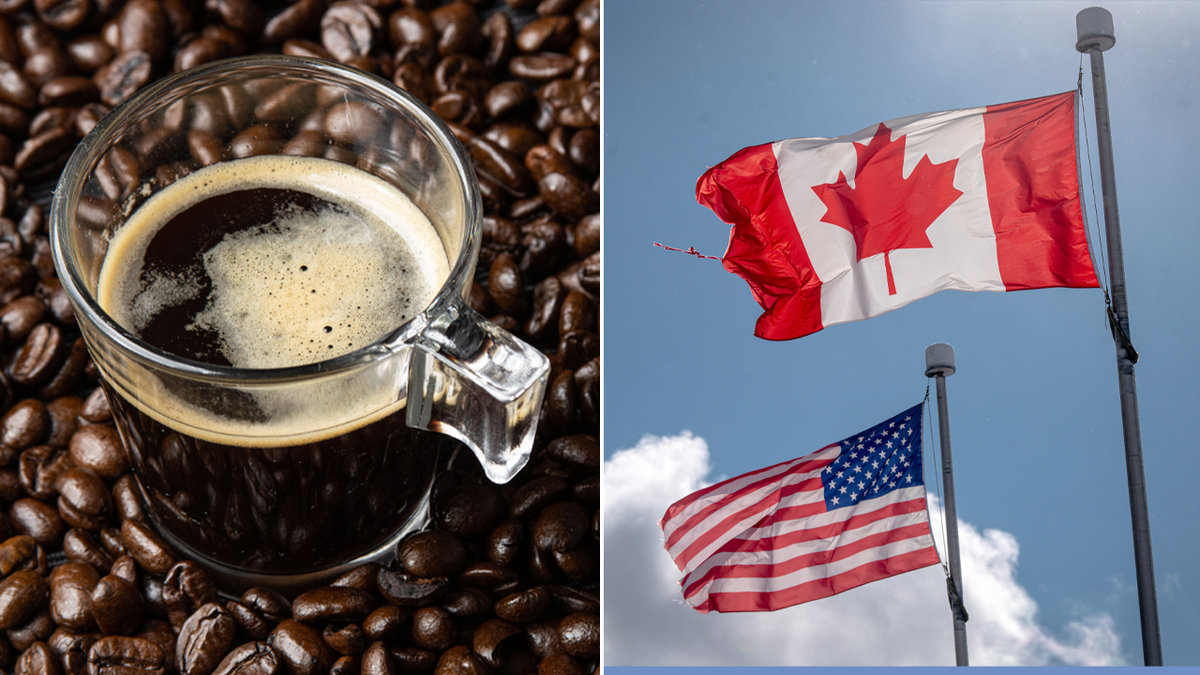
The immediate fallout at American ports was nothing short of a “cardiac arrest” for the supply chain. As the 50 percent levy took effect, massive shipments of green coffee beans sat orphaned on docks from Savannah to Long Beach.
Importers, facing overnight price spikes that obliterated their margins, froze existing contracts, unable to clear the red tape or the sudden tax. For the first time in modern memory, the United States—the world’s largest consumer of coffee—could not guarantee its own supply. In neighborhoods from Brooklyn to Seattle, the “sticker shock” was instantaneous, with local roasters forced to raise prices by nearly 30 percent in a single Tuesday morning.
Brazil, however, did not flinch. While American policymakers believed the world’s largest coffee exporter would be forced “back into line,” the government in Brasília signaled that it was done being dependent on an unpredictable buyer.
Brazil quickly realized a powerful truth: the world needs their beans more than they need the American dollar. Instead of pleading for a rollback, Brazilian exporters simply picked up the phone. The reaction was a masterclass in market diversification. China responded first with massive new import orders, followed by long-term contracts from the European Union. But the most significant shift occurred much closer to home.
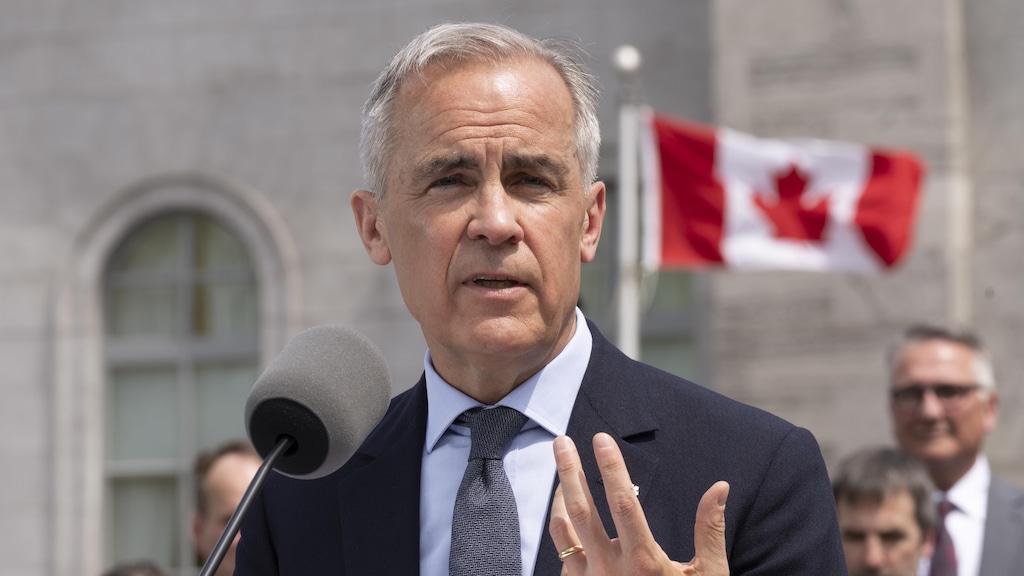
Canada, a country whose climate is famously too harsh to grow a single coffee bean, stepped into the vacuum with decisive speed. Unlike the United States, Ottawa has pointedly avoided playing political games with its basic imports. There were no sudden tariffs, no “fraudulent” labels, and no economic threats.
Seeing an opportunity in the American self-sabotage, Canadian importers moved to secure the shipments that were originally destined for U.S. ports. Ships that were idling in the Atlantic began to change direction, turning north toward the reliable docks of Vancouver, Montreal, and Toronto.
This shift was not loud or dramatic, but its permanence is what should worry Washington. Every shipment diverted to Canada was a reminder to Brazil that economic stability still existed—it just no longer resided in Washington, D.C. Canada didn’t become a producer; it became something far more valuable in a volatile world: a dependable partner.
While U.S. shelves emptied and prices spiked, Canada locked in its supply at pre-tariff rates, building its strongest trade position in years. By valuing consistency over “dominance,” Ottawa earned a seat at a table that the U.S. once considered untouchable.
The “Trust Deficit” is now the defining feature of the Brazil-U.S. relationship. Even if the Trump administration rolls back the tariffs next month, the damage to the psychological infrastructure of the trade is likely permanent. Brazilian growers have found “safer” markets that do not change policy based on a televised ad or a political whim. The betrayal felt by the Brazilian agricultural sector—a group that has historically leaned pro-trade—has forced a strategic pivot toward the “40-nation trade alliance” championed by Prime Minister Mark Carney. Trust, once broken in the global commodities market, takes decades to rebuild.
For the American consumer, the cost of this “strength” is measured in more than just dollars per cup. It is measured in a loss of reliability. The U.S. wanted to show power, but instead, it exposed its own vulnerability to its own policy. As coffee routes are permanently rerouted, the U.S. is finding itself increasingly isolated in its own hemisphere. Meanwhile, Canada’s role as a “stability hub” is drawing the attention of other South American exporters who are wary of the “transactional” nature of the current White House.
The irony of the “Coffee War” is that Canada’s gains required no complex industrial transformation. Canada simply remained predictable. In a world where supply chains can collapse overnight and a single signature can destabilize an entire industry, predictability is the ultimate currency. Canada didn’t grow the coffee, but it grew its influence.
While the U.S. struggled with its self-created crisis, the Canadian roastery scene began to flourish, bolstered by a direct, uninterrupted line to the world’s best beans.
As the dust settles, the balance of the global coffee trade has shifted. The United States, long the undisputed hegemon of the bean, now finds itself competing with its own neighbors for the leftovers.
Brazil’s diversification strategy is not a temporary workaround; it is a new doctrine. By spreading its exports across China, Europe, and Canada, Brazil has effectively “tariff-proofed” its economy. The U.S. tried to use coffee as a leash, but Brazil simply broke the collar and walked toward more stable companions.
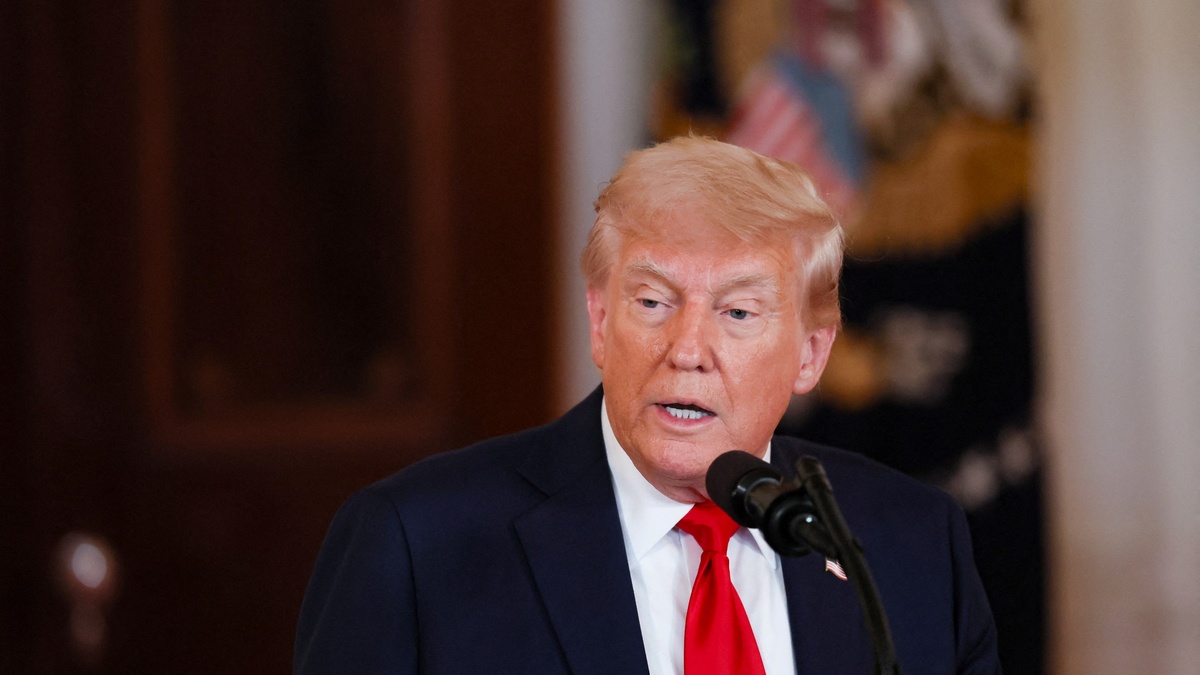
The lesson for Washington is a bitter one. Dominance is not a substitute for trust. While American politicians argue on live TV about the effectiveness of the 50 percent levy, the physical goods are already moving elsewhere.
Canada’s strategic patience and Carney’s emphasis on “middle power” reliability have allowed a northern nation to outmaneuver a superpower in its own backyard. The global trade map is being redrawn, and for now, the lines are bypassing the United States.
Ultimately, this is a story about the changing nature of power in the 2020s.
True strength is no longer found in the ability to disrupt, but in the ability to sustain. Canada enjoyed a secure supply and stronger partnerships because it understood that in the modern economy, “boring” is better than “bold.” Brazil’s trust has been earned by the steady hand, not the heavy one. And as the morning coffee is poured in Ottawa, the flavor is undoubtedly sweet—the taste of a strategic gamble that paid off.






