The delicate architecture of North American commerce is undergoing its most turbulent re-examination in decades, as Canada aggressively challenges the transactional diplomacy of the White House. The recent geopolitical confrontation over Chinese electric vehicles has exposed fundamental structural fissures in the historical partnership between Ottawa and Washington.
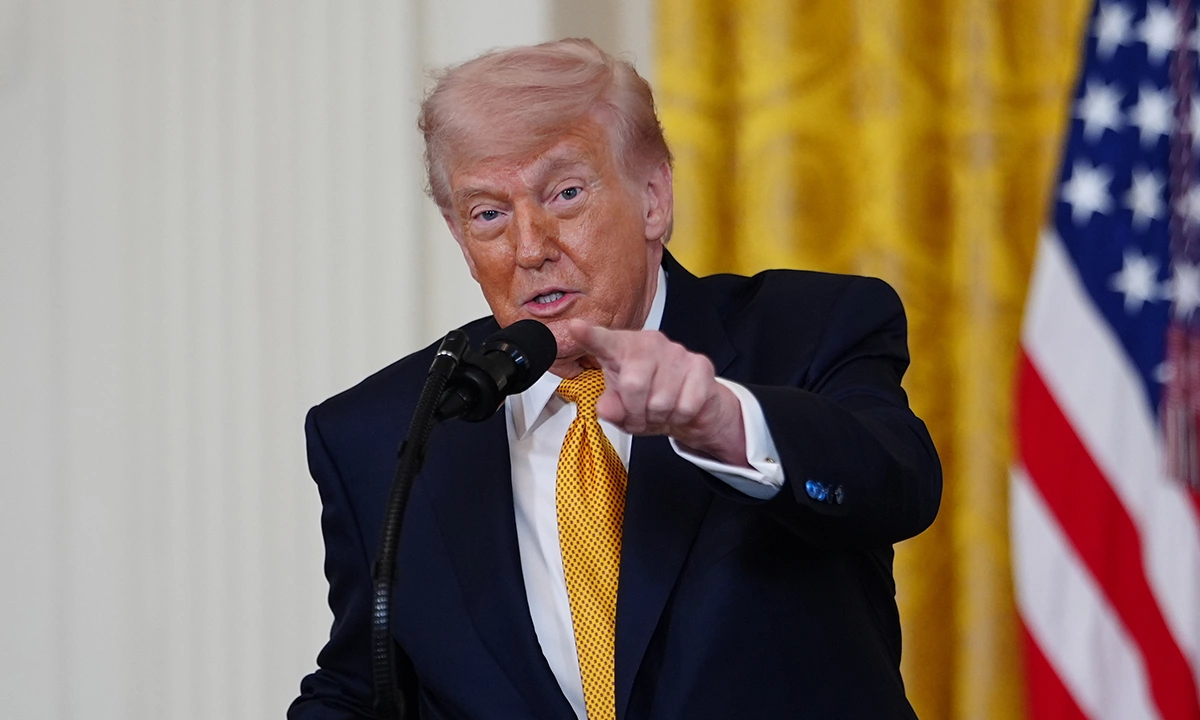
When Donald Trump issued a sweeping ultimatum in January, warning of catastrophic economic retaliation if Canada engaged with Beijing, many expected immediate capitulation. Instead, Prime Minister Mark Carney chose a path of calculated defiance, fundamentally altering the traditional dynamics of the continental trade alliance.
The Canadian strategy reflects a profound shift from defensive compliance to proactive diversification within global markets. By reopening crucial agricultural export channels to China, including canola and premium seafood, Ottawa deliberately demonstrated that its economic survival is not entirely contingent upon the explicit approval of the United States.
Furthermore, Carney’s administration deftly managed the highly sensitive electric vehicle issue by implementing strict import caps. This nuanced approach allowed Canada to secure critical trade concessions from Beijing while simultaneously attempting to mitigate the inevitable strategic anxiety reverberating through the American automotive sector.
Four months after the initial American threats of total economic isolation, the predicted tariffs have conspicuously failed to materialize. The uninhibited flow of Canadian canola and selected Chinese manufactured goods across borders continues uninterrupted, proving that Washington’s aggressive rhetoric often outpaces its actual economic pragmatism.
This prolonged inaction reveals a crucial systemic vulnerability within the American negotiating posture that modern strategists are now analyzing. Carrying out a punitive hundred percent tariff on all Canadian goods would inevitably inflict severe, self-generated damage on domestic American industries and working-class consumers alike.
The American economy remains deeply dependent on an uninterrupted supply of Canadian natural resources to sustain its industrial momentum. From crude oil and natural gas to electricity and enriched uranium, the cross-border supply chains are far too integrated to be severed by political decree without causing massive domestic inflation.
American manufacturers, particularly in the Midwest automotive and aerospace corridors, rely heavily on Canadian steel and sophisticated aluminum products. Imposing massive tariffs on these essential raw materials would instantly raise production costs, rendering American companies highly uncompetitive within the fiercely contested global marketplace.
The looming July deadline for the renegotiation of the landmark CUSMA agreement adds immense chronological pressure to this diplomatic standoff. As trade representatives gather in Washington, the Canadian delegation holds an unexpectedly strong hand, fortified by their recent display of economic independence and strategic resilience.
The message radiating from Ottawa’s executive offices is remarkably clear and represents a generational shift in foreign policy. Canada remains entirely willing to negotiate fair, modernized continental trade terms, but it will no longer operate under the assumption of absolute American economic dominance.
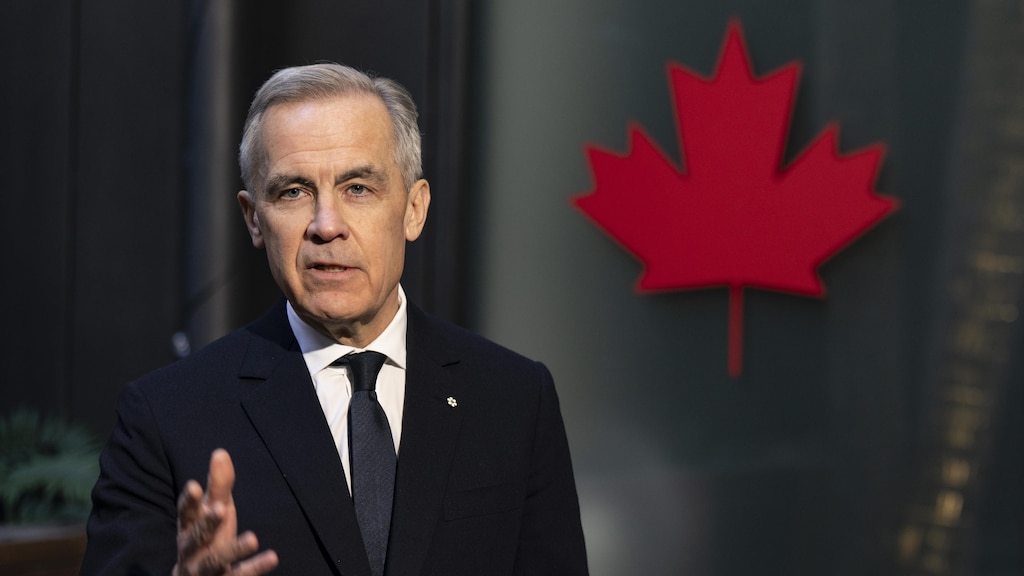
International trade economists point out that Carney’s background in central banking provided him with a unique perspective on global capital. He understands that the threat of American protectionism can be effectively neutralized by strengthening commercial ties with rapidly expanding Asian economies, specifically in crucial agricultural sectors.
This diversification strategy is not merely a temporary tactical maneuver designed to survive the current administration in Washington. It represents a permanent, structural realignment of Canadian trade policy intended to insulate the nation from future political volatility in the United States, its largest trading partner.
In Washington, the unexpected lack of Canadian capitulation has forced a quiet reassessment among top trade advisers and policymakers. The realization that traditional leverage may be decreasing has introduced a rare element of caution into the administration’s public pronouncements regarding the upcoming CUSMA renegotiation process.
While nationalist rhetoric remains a staple of political rallies, the bureaucratic reality in the nation’s capital is far more constrained. Cabinet officials are acutely aware that disrupting Canadian energy imports would trigger immediate, widespread electricity shortages and spikes in gasoline prices across the American Northeast.
The agricultural heartland of Canada has reacted to the ongoing dispute with a mixture of relief and cautious optimism. Farmers who were previously devastated by sudden trade restrictions are now experiencing a significant economic revival as cargo ships depart Vancouver for major ports across mainland China.
The successful stabilization of the canola market has provided Carney with immense domestic political capital at a crucial moment. It vindicates his controversial decision to resist American pressure, proving to a skeptical electorate that sovereign independence can coexist with robust, profitable global trade relationships.
However, critics within the Canadian conservative opposition warn that playing a high-stakes game of chicken with Washington carries immense risks. They argue that a sudden, emotional policy reversal by the American president could still devastate Canadian manufacturing, which remains deeply structurally aligned with U.S. consumer demand.
These opposition leaders emphasize that while resource diversification is a noble long-term objective, the immediate reality dictates geographical proximity. The United States remains Canada’s neighbor, and completely alienating its political leadership could lead to severe security and intelligence-sharing complications down the road.
The global automotive industry is watching the Canadian experiment with Chinese electric vehicles with intense, focused concentration. Ottawa’s strict cap system could serve as a valuable blueprint for other middle-power nations seeking to balance cheap green technology imports with intense transatlantic security obligations.

By refusing a total ban, Canada has maintained access to affordable sustainable transport solutions necessary to meet its ambitious climate goals. This pragmatic approach highlights the growing divergence between European and North American strategies for managing the inevitable rise of China’s advanced manufacturing capabilities.
As the critical mid-summer trade deadline approaches, diplomatic activity between Ottawa and Washington is expected to reach a frantic pace. High-level envoys are working behind the scenes to draft compromises that allow both administrations to claim victory before their respective domestic constituencies and media outlets.
The outcome of these intense negotiations will define the economic trajectory of North America for the next quarter-century. Whether this confrontation leads to a modernized, more balanced partnership or a fractured trading bloc depends on Washington’s willingness to accept a more independent and assertive Canadian neighbor.






