OTTAWA — For decades, the border between the United States and Canada was celebrated as the longest undefended frontier in the world—a geographic convenience rather than a conceptual barrier. But in the spring of 2026, that line has transformed into a scorched-earth battleground. What began as a technical dispute over streaming algorithms has metastasized into a full-scale war over sovereignty, identity, and the limits of American hegemony in the digital age.
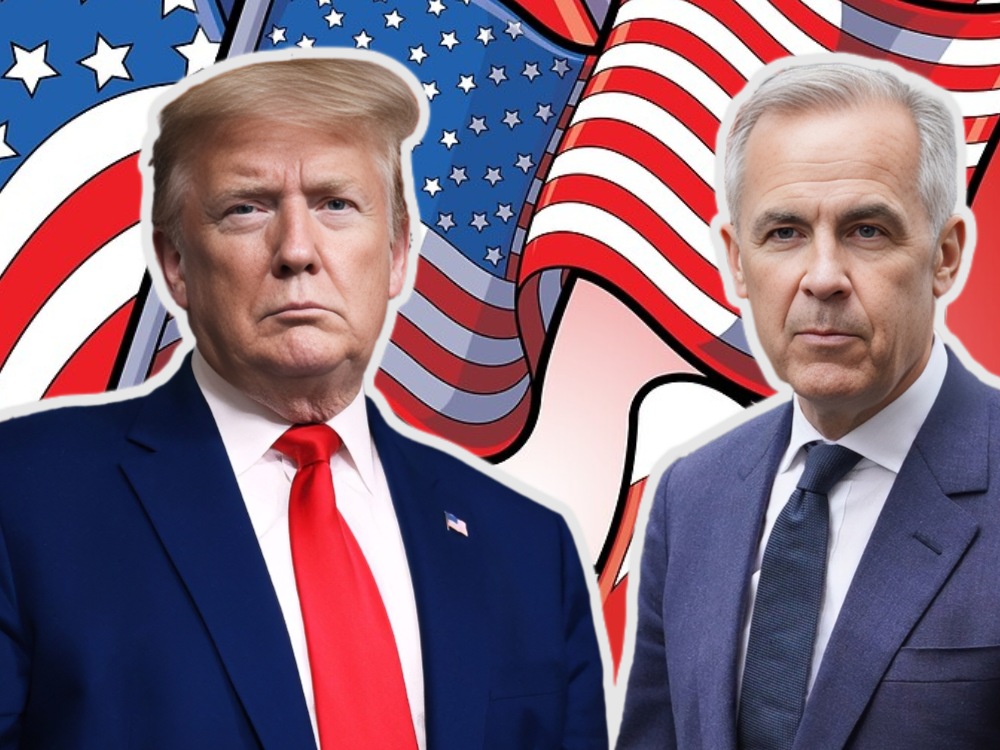
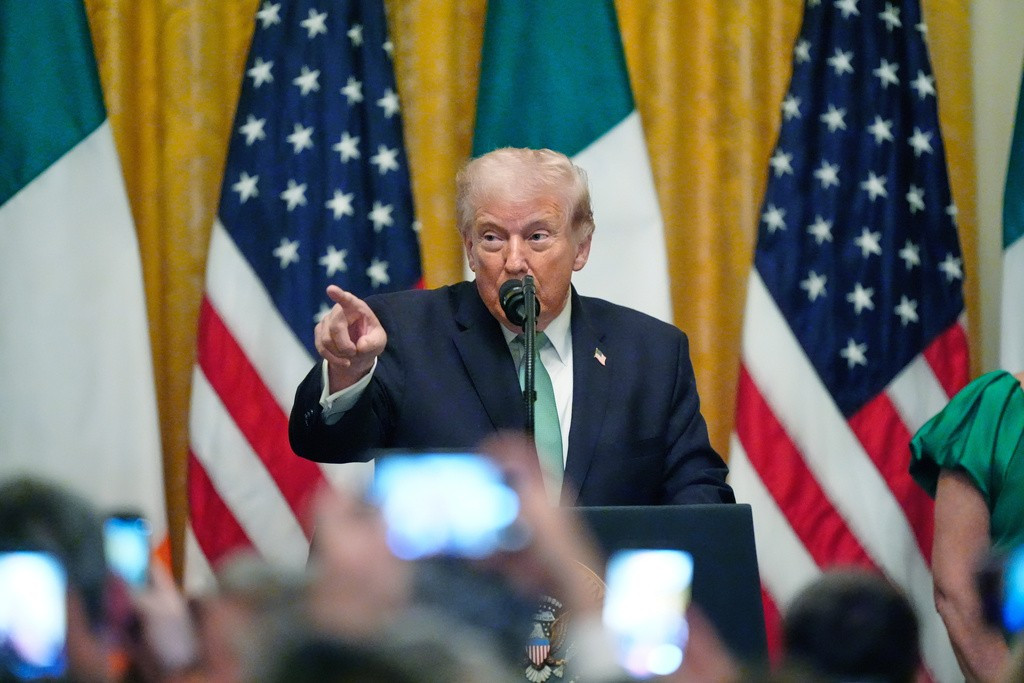
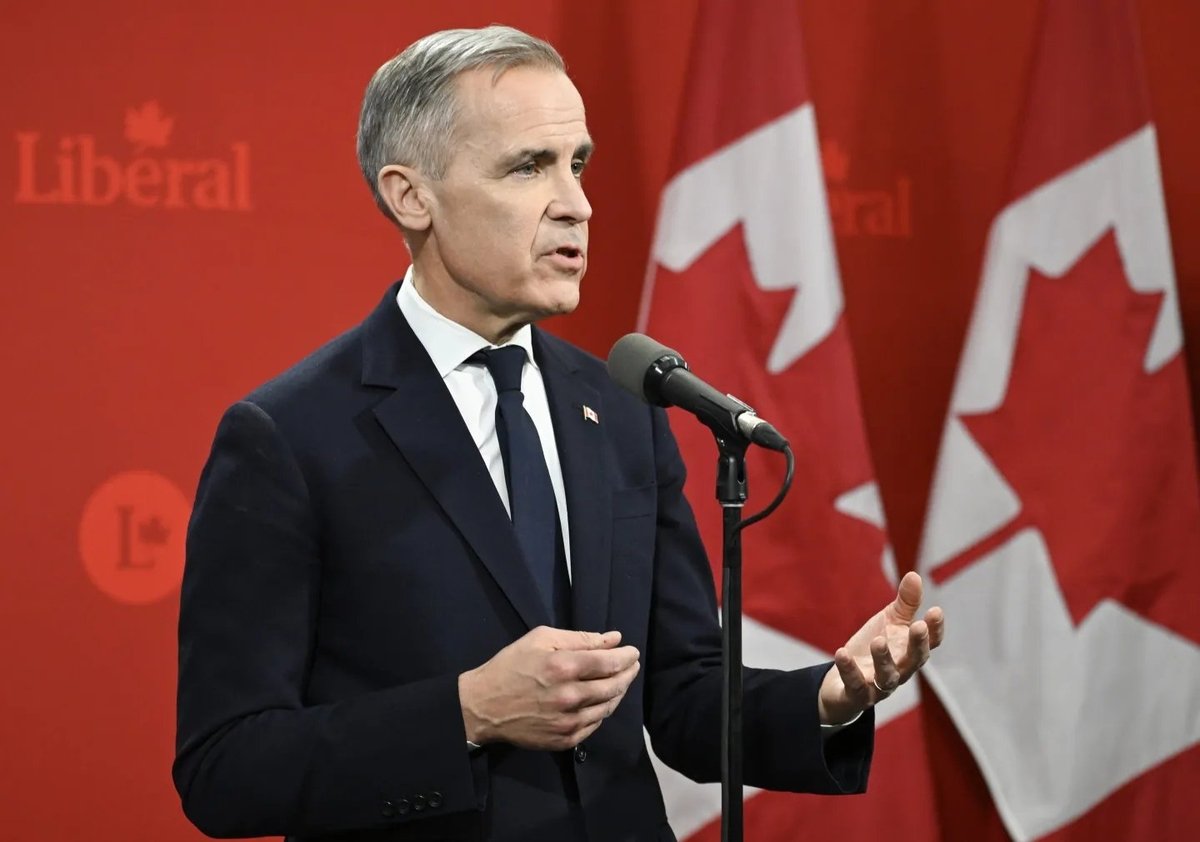
At the center of the storm is a jarring 72-hour ultimatum from President Donald Trump: either dismantle domestic cultural protections or face “crippling” economic retaliation. In response, Canadian Prime Minister Mark Carney has bypassed traditional diplomatic niceties, opting instead for a stance of ironclad defiance that reframes a policy debate as a declaration of national independence.
The Streaming Act: A Cultural Shield or a Trade Barrier?
The detonator for this confrontation is Canada’s Online Streaming Act. The law requires digital giants—Netflix, Disney+, and Amazon Prime—to reinvest a portion of their Canadian revenues into the production of indigenous content. For Ottawa, this is an existential necessity—a “cultural shield” designed to ensure that Canadian voices are not silenced by the sheer gravitational pull of the American entertainment machine.
Washington, however, views the policy through a different lens. The Trump administration has characterized it as “cultural imperialism in reverse,” a discriminatory practice targeting American corporate interests. By threatening to trigger “Section 301″—a powerful legal tool allowing for unilateral U.S. sanctions—the White House has elevated a regulatory disagreement into a direct assault on the right of a sovereign nation to govern its own airwaves.
Mark Carney’s Calculated Gamble
Mr. Carney’s refusal to blink is a masterclass in strategic statecraft. Unlike his predecessors, Carney has spent the last two years aggressively diversifying Canada’s economic portfolio, deepening ties with the European Union and Japan to dilute the “existential dependence” on the U.S. market.
When Mr. Carney declared that “sovereignty is not a negotiable commodity,” he was signaling to the world that economic intimidation has its limits, even when practiced by a superpower. This defiance has triggered a rare “rally around the flag” effect across the Canadian political spectrum, turning external pressure into a potent catalyst for national unity.
Energy and Agriculture: The Economic Hostages
While culture serves as the symbolic front, the economic wounds will be most visible in energy and agriculture. Canada supplies more oil to the United States than any other nation; American refineries in the Midwest are specifically calibrated to process Canadian crude. Any disruption to this flow would result in an immediate, painful spike in U.S. energy prices.
Conversely, farmers on both sides of the border find themselves in a state of suspended animation. The agricultural supply chains are so tightly integrated that any retaliatory tariff functions as an act of “economic self-harm.” It is a delicate, high-stakes hostage situation where both players hold the other’s lifeline.
A New Global Precedent
The world is watching this North American schism with rapt attention. If Canada—the United States’ closest ally and largest trading partner—can be coerced into abandoning its domestic policies through economic threats, then no nation is truly autonomous. If Canada successfully resists, it provides a blueprint for how medium-sized powers can leverage preparation and diversification to neutralize asymmetric pressure.
The rise of “cultural protectionism” in the era of algorithms is an unavoidable reality. When the movies we watch and the music we hear are curated by source code in California, nations like Canada feel a visceral need to intervene to protect the soul of their populace.
Conclusion: Identity in an Age of Defiance
The culture war between Trump and Carney is about more than Netflix quotas or oil tariffs. It is a fundamental struggle over who defines a nation’s identity in the 21st century: is it the multinational corporations and the economic behemoths, or the citizens themselves?
As the 72-hour clock runs down, North America stands at a historic crossroads. The relationship between the “Colossus of the South” and its “Northern Neighbor” may never return to its former status quo. Mark Carney has demonstrated that national self-respect can, in fact, outweigh short-term fiscal convenience. It is a lesson Washington may be forced to learn the hard way in this new era of global geopolitics.






