Australian Senator Pauline Hanson has once again placed herself at the centre of national attention after comments linking her future in politics to former US President Joe Biden. Speaking during a radio interview with Sydney station 2GB, the One Nation leader made a remark that quickly drew public interest and political commentary.
At 72 years old, Hanson addressed questions about age, leadership, and whether she intends to remain in politics for the long term.
Her answer combined humour, bluntness, and a clear warning about the limits she places on her own political career.
“I’ve already told my staff, if I become like a Joe Biden, just tap me on the shoulder and give me the heel to move on,” Hanson said during the interview.
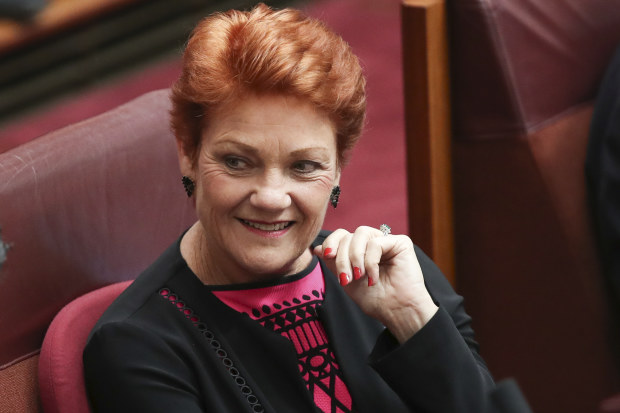
The comparison immediately stood out, not because of policy, but because of its framing around age and cognitive decline in public office.
While she did not elaborate further on Biden’s condition, the reference was widely interpreted as a broader comment on aging leaders in high political roles.
Hanson’s remarks came in response to questions about how long she plans to remain active in Australian politics.
She has been a long-standing and often controversial figure in Australian public life, known for her outspoken positions and direct communication style.
In the same interview, she stressed that her decision to retire would not be driven by political pressure or electoral calculations.
Instead, she said it would depend entirely on her personal health and ability to continue performing her role.
“It will come down to my health,” Hanson said.
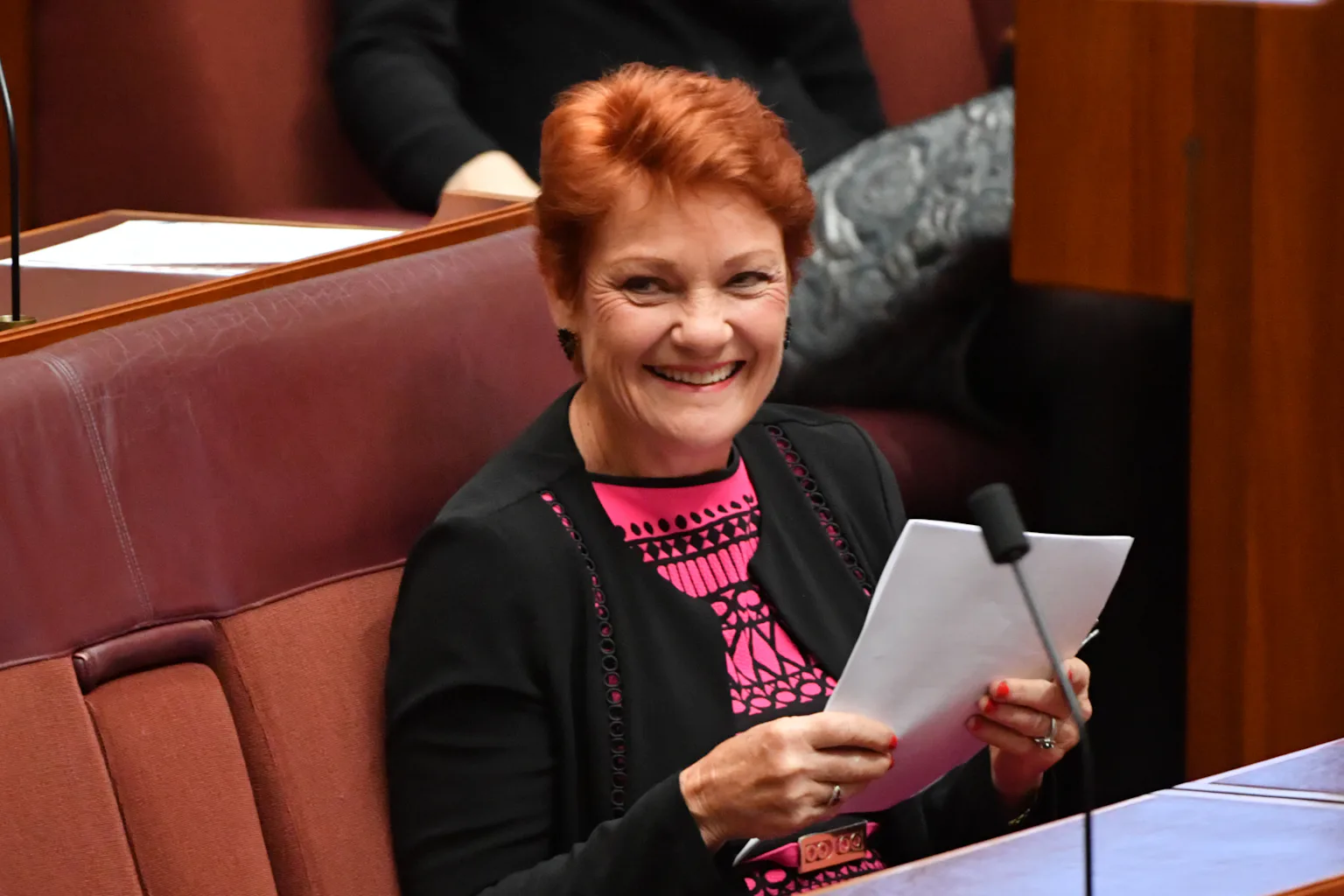
The senator was firm in her assessment of her current condition, insisting that she remains fully capable of carrying out her duties.
“I’ve got nothing wrong with me,” she said.
She also emphasized that she does not rely on any medication, presenting this as evidence of her continued fitness for office.
“I take no medication, nothing,” Hanson added.
Beyond her health claims, Hanson also highlighted what she sees as a significant difference between herself and other political figures, particularly in terms of energy levels.
“I’ve got more energy in me than a lot of these other people,” she said.
The comments appear designed to reinforce an image of vitality and resilience, even as she acknowledges the inevitability of retirement at some point.
Political observers note that Hanson has often used personal anecdotes and direct language to connect with supporters and shape media narratives around her.
This latest statement continues that pattern, blending humour with a pointed message about leadership stamina.
The Joe Biden comparison, however, added an unexpected international dimension to the discussion.
Biden, who served as President of the United States, has frequently been the subject of public debate regarding age and health due to his position as one of the oldest leaders in American political history.
By invoking his name, Hanson inserted herself into a broader global conversation about aging politicians and leadership capacity.
The reaction to her comments has been mixed, with supporters praising her honesty and critics questioning the appropriateness of referencing another world leader in such a manner.
Some political commentators argue that the remark reflects growing sensitivity around age in politics, particularly in countries where leadership longevity has become a recurring issue.
Others see it as a calculated rhetorical move, designed to reinforce her political brand as direct and unfiltered.
Within Australian political circles, Hanson remains a polarising figure.
Her party, One Nation, continues to hold a niche but influential position in the country’s political landscape, often drawing support from voters disillusioned with the major parties.
Her comments about retirement and health come at a time when debates about political leadership renewal are increasingly prominent.
Across multiple democracies, questions about age, succession, and generational change have become central to political discourse.
Hanson’s remarks therefore sit within a wider context that extends beyond Australia.
Still, the personal tone of her statements has ensured they remain closely associated with her individual political identity.
Her insistence that she is in strong health may also be aimed at countering speculation about her long-term future in politics.
At the same time, the acknowledgment that retirement will eventually come suggests an awareness of political reality.
By framing the decision around health rather than election outcomes or party dynamics, Hanson positions the issue as personal rather than strategic.
The interview also highlights her continued engagement with media platforms, where she frequently communicates directly with voters.
Radio appearances in particular have long been a key avenue for Hanson to express her views without the constraints of parliamentary debate.
As political attention shifts toward future elections, statements like these are likely to be scrutinized for signals about leadership succession and party direction.
For now, Hanson appears intent on remaining active, confident, and outspoken in her role.
But her reference to Joe Biden ensures that her comments will not be viewed in isolation, instead becoming part of a larger global discussion about age and leadership in modern politics.






