What began as a localized friction over continental trade policy has rapidly evolved into a significant geopolitical challenge for soccer’s global governing body. A grassroots Canadian fan boycott, initially dismissed by political elites, has transformed into an international movement capable of reshaping the upcoming FIFA World Cup.
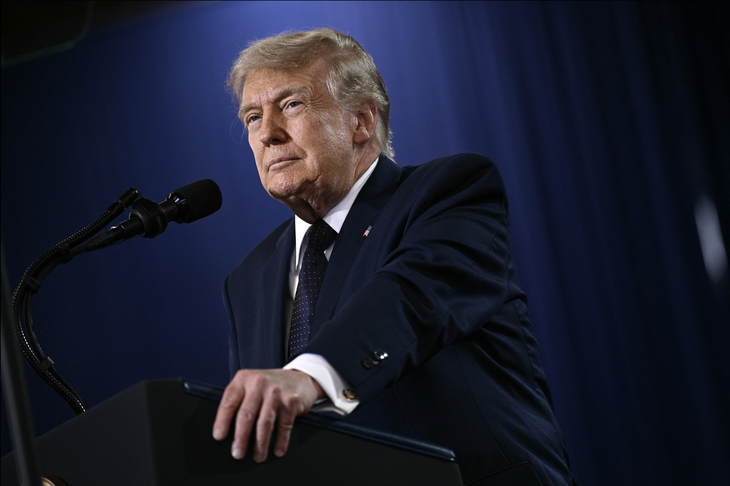
The trajectory of the protest shifted dramatically following a characteristically blunt response from the White House regarding the mounting tensions. When asked about Canadian supporters refusing to travel to American venues due to punitive tariffs, the United States president openly laughed off the concerns during a press briefing.
The president further asserted that America’s northern neighbor should feel grateful to even participate as a co-host of the prestigious tournament. The recorded comment immediately went viral across digital platforms, sparking widespread outrage among international sports communities and amplifying what had been a relatively quiet regional dispute.
Instead of dampening the enthusiasm of the boycotting fans, the dismissive reaction from Washington injected unprecedented momentum into their cause. Within a mere seventy-two hours, organized supporter groups spanning fourteen different nations publicly declared their solidarity with the Canadian-led initiative, now formalized as the Fair Weather Coalition.

The coalition gained rapid traction in major footballing nations, including traditional powerhouses and emerging markets like Germany, Argentina, Japan, and South Korea. Supporters from Morocco and Australia also joined the ranks, effectively turning a bilateral North American trade dispute into a unified global stance against political condescension.
The genesis of this massive movement can be traced back to a simple, poignant question posed by an ordinary soccer fan in British Columbia. The supporter publicly questioned whether Canadians should be filling expensive American stadiums while severe cross-border tariffs actively harmed the livelihoods of working-class Canadian citizens.
What followed was an organic explosion of digital activism that traditional sports institutions and national governments have found impossible to contain. The movement’s ultimate power lies in its decentralized architecture, completely lacking a central leadership figure, formal political backing, or a traditional organizational hierarchy to target.
Tens of thousands of individual fans have independently reached the conclusion that they no longer feel comfortable attending matches scheduled on American soil. This organic decision-making process has left both FIFA officials and state authorities without a clear strategy to suppress or negotiate with the boycotting faction.
Concurrently, sports business analysts have begun documenting the tangible economic fallout of the dispute on American tournament operations. Preliminary data indicates that ticket demand at United States venues has weakened significantly compared to historical benchmarks set during previous iterations of the global sporting event.
Conversely, ticket sales and fan engagement metrics for matches scheduled in Canadian host cities remain exceptionally robust, highlighting the localized nature of consumer dissatisfaction. The stark contrast underscores a growing reluctance among international travelers to spend their discretionary income within the current American economic climate.
The corporate backbone of international soccer has also signaled deep discomfort with the escalating political rhetoric surrounding the multi-billion-dollar tournament. Major global sponsors, including industry titans such as Adidas, Coca-Cola, Visa, and Hyundai, have noticeably muted their traditional, high-decibel promotional campaigns ahead of the opening matches.
This collective corporate silence is interpreted by marketing experts as a clear sign of apprehension regarding the highly polarized environment. Sponsors are deeply wary of aligning their brand identities with an event that has become a lightning rod for trade disputes and nationalistic posturing.
In response to the shifting public sentiment, FIFA has quietly abandoned its long-standing, rigid doctrine that football must remain entirely separate from global politics. Governing officials have conspicuously altered their public messaging, pivoting toward a narrative that emphasizes inclusive fan experiences and comprehensive supporter safety protocols.
Independent analysts view this rhetorical shift as definitive proof that soccer’s leadership recognizes the crisis is far too massive to ignore. The traditional strategy of waiting out public controversies has proven ineffective against a decentralized network of fans weaponizing their collective purchasing power.
Historical experts are already drawing parallels between this modern movement and seminal moments of political resistance within international sports history. The current boycott is being compared to the iconic 1968 Olympics protests and the highly politicized 1980 Moscow Olympic Games boycotts of the Cold War.
However, commentators note that modern digital fan communities have engineered an entirely new paradigm of sports activism that institutions cannot easily suppress. Unlike the state-mandated boycotts of the twentieth century, modern resistance operates through thousands of individual, uncoordinated consumer choices facilitated by social media networks.
Because there are no official delegation leaders to suspend, or national committees to pressure, traditional institutional leverage has rendered itself obsolete. FIFA finds itself wrestling not with a rebellious national federation, but with a diffuse consciousness of modern consumers demanding mutual respect between host nations.
The core issue has officially transcended the initial debate over Canadian steel tariffs or localized border friction. The fundamental question now confronting soccer’s elite is whether a World Cup can maintain its essential global spirit if attendance becomes a loaded political choice.
The upcoming tournament was envisioned as a grand celebration of North American unity and seamless tri-national cooperation. Instead, the upcoming games risk becoming a stark demonstration of how rapidly economic nationalism can fracture the fragile harmony of international sports culture.
As the opening match approaches, the silence from major corporate boardrooms continues to cast a long shadow over projected tournament revenues. The financial models underpinning the event assumed a frictionless border and an enthusiastic, unbothered influx of high-spending international tourists and regional consumers.
Diplomats in Ottawa and Washington have privately expressed concern that a sporting event meant to foster goodwill is achieving the exact opposite result. The weaponization of fan culture reflects a deeper, systemic resentment regarding the asymmetrical nature of North American economic relations.
For individual Canadian workers impacted by the ongoing trade hostilities, the football boycott has provided an unexpected, highly visible platform for their grievances. The spectacle of empty seats in American stadiums offers a visual counterweight to the mathematical abstractions of tariff disputes.
Supporter groups in Europe and South America have indicated that their participation is also driven by a broader distaste for perceived American exceptionalism. For these fans, solidarity with Canada represents a defense of the egalitarian principles that are supposed to govern international sport.
The administrative challenge for FIFA is compounded by the complex logistics of redistributing unsold ticket allocations without crashing market values. Attempts to discount seats for American matches risk further alienating fans who paid premium prices during the initial, pre-crisis booking phases.
With less than a month before the first whistle, the Fair Weather Coalition shows no signs of splintering or losing its digital momentum. The president’s casual laugh in the Oval Office may ultimately rank among the most expensive public relations missteps in modern sports history.
The evolving situation serves as a stark warning to future organizing committees about the volatile intersection of commerce, politics, and fan culture. In an interconnected digital world, the opinions of ordinary match-goers can instantly disrupt the carefully laid plans of multi-billion-dollar cartels.
As international teams begin arriving at their respective training bases, the atmospheric tension surrounding the tournament continues to intensify daily. The media coverage has irrevocably shifted from tactical previews and player profiles to nightly updates on the efficacy of the fan strike.
Ultimate resolution of the crisis may require an unprecedented diplomatic intervention to reassure international travelers that sports venues remain neutral territory. Whether the political will exists to salvage the celebratory atmosphere of the tournament remains an open, highly debated question.
In the final analysis, the North American World Cup will likely be remembered as the moment the global fan base truly realized its structural power. The ability to withdraw consent and crucial revenue has fundamentally altered the balance of power between sporting institutions and the public.
The coming weeks will determine whether FIFA can successfully navigate this geopolitical minefield or if the tournament will be permanently diminished by empty rows. What is certain is that the relationship between global sport and political authority has been altered definitively and irrevocably.






