A Bold Break from Decades of Continental Consensus
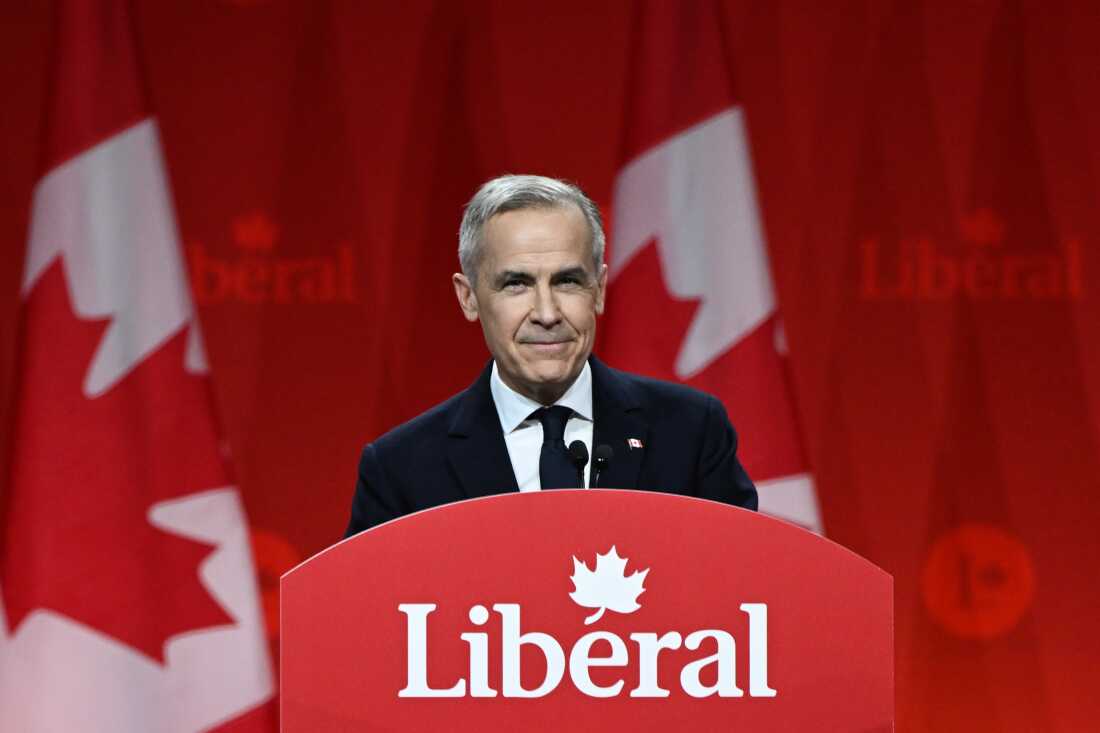
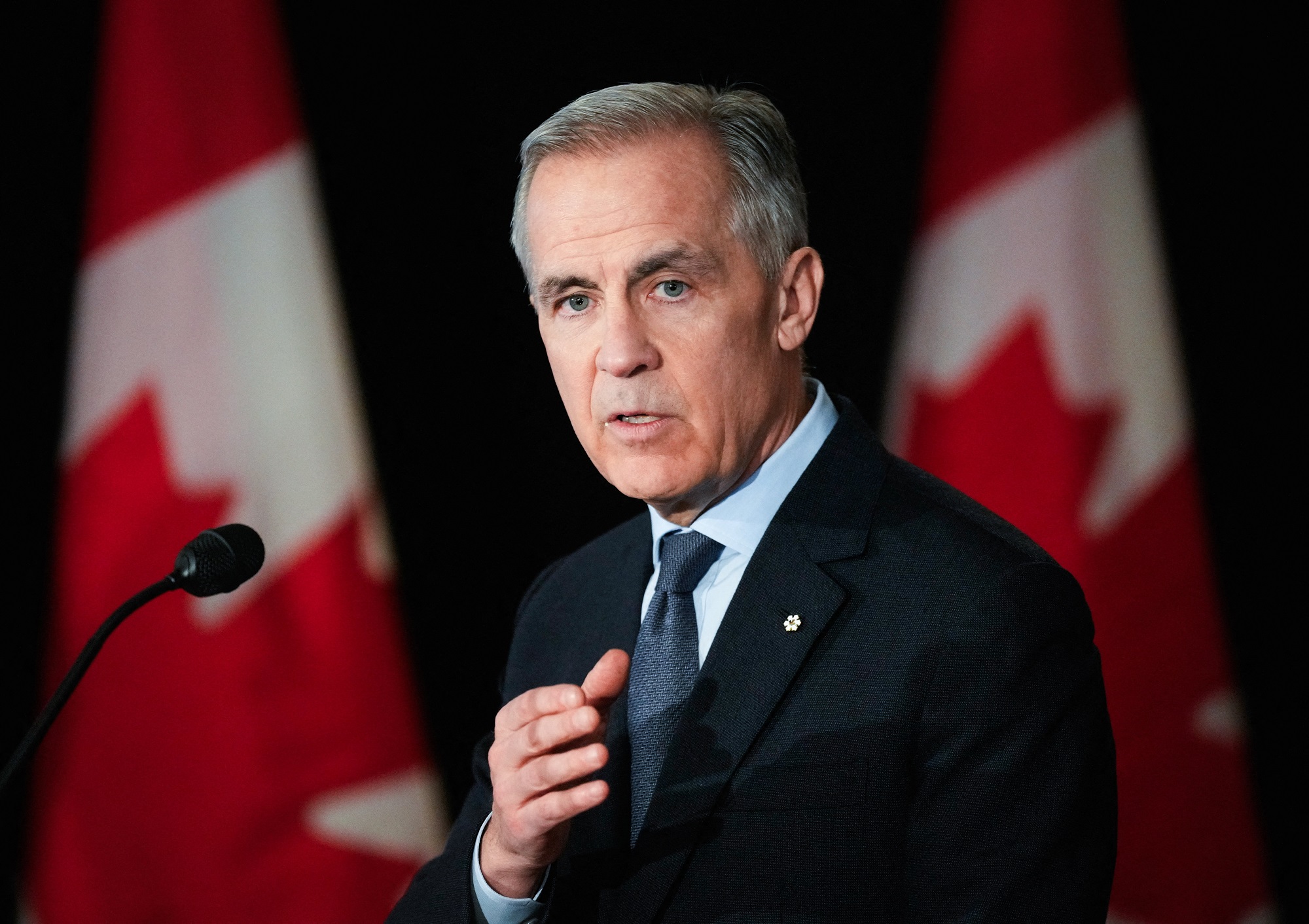
In an extraordinary and fiercely combative Ottawa press conference, Prime Minister Mark Carney effectively declared the end of an era in North American geopolitics. Addressing reporters with uncharacteristic intensity, Carney formally announced that Canada will no longer rely on its southern neighbor for economic prosperity and collective security.
This dramatic announcement signals a profound structural departure from decades of established continental consensus. For generations, the prevailing political dogma dictated that Canada’s economic trajectory was inextricably linked to the decisions made in Washington. Carney’s deliberate rhetoric completely dismantles that historical assumption, introducing a new era of national self-reliance.
The sudden shift comes after months of escalating trade friction, aggressive tariff implementation, and growing political uncertainty across the border. Analysts view this sharp pivot as an assertive declaration of sovereignty in an increasingly fractured global landscape. The traditional bilateral framework that once stabilized North American trade is now permanently fractured.
The Economics of Domestic Industrial Independence
At the core of the prime minister’s ambitious new strategy is a comprehensive economic restructuring designed to internalize massive capital flows. Carney announced that billions of federal dollars, which previously benefited American corporations, will now be aggressively redirected into domestic industries. This capital flight marks a severe shift in regional supply chains.
The strategic redirection of state funds will primarily target the domestic defense sector, supporting localized shipyards, factories, and tech hubs. By guaranteeing these lucrative government contracts to Canadian businesses, Ottawa is actively building a fortified manufacturing base. This deliberate policy prioritizes regional industrial resilience over open-market continental integration.
Furthermore, the newly unleashed “Buy Canadian” procurement framework establishes permanent legal preferences for domestic suppliers across all federal departments. This regulatory firewall is explicitly designed to shield local manufacturers from volatile international trade policies. The bold initiative represents the most protectionist economic stance Ottawa has taken in over a century.
Nurturing Innovation and Global Market Diversification
To cushion the domestic economy from sudden shocks, the federal government is launching an expansive support program for small enterprises. These targeted public investments are engineered to help localized businesses rapidly adopt advanced technologies and scale their operations globally. Ottawa aims to foster an agile corporate ecosystem independent of American consumer demand.
A primary goal of this state-sponsored modernization effort is the aggressive diversification of export routes into European and Asian markets. For too long, Canadian commerce has suffered from a dangerous over-reliance on a single, increasingly unpredictable trading partner. Carney is explicitly forcing a structural reorientation of the nation’s commercial elite.
During his address, the prime minister repeatedly described the current global economic landscape as a profound, irreversible institutional rupture. He argued that this historical turning point demands bold, independent state action rather than passive diplomatic compliance. The era of comfortable continental integration has officially been replaced by strategic national survival.

Geopolitical Fallout and Washington’s Looming Reaction
The geopolitical implications of Carney’s fiery rhetoric are already reverberating through the diplomatic corridors of Washington and Wall Street. White House officials are reportedly reviewing the transcripts of the address, preparing an asymmetric response to this unexpected northern rebellion. The transactional nature of modern American diplomacy is facing a sophisticated challenger.
For decades, American policymakers treated Canada as a compliant, resource-rich dependency that would always align with Washington’s strategic objectives. Carney’s explicit rejection of this asymmetric relationship forces a complete reassessment of defense agreements like NORAD. The structural security architecture of the Western Hemisphere is entering a highly volatile phase.
International trade experts warn that an aggressive “Buy Canadian” policy will almost certainly trigger immediate retaliatory measures from American lawmakers. Industries heavily reliant on cross-border logistics are bracing for a chaotic period of regulatory friction and increased legal hurdles. However, Ottawa seems fully prepared to absorb these near-term economic costs.
Public Perception and the Evolution of National Identity
Domestically, this combative stance represents a massive political gamble for Mark Carney’s government ahead of upcoming electoral contests. By wrapping his economic platform in the language of national resilience and independence, he appeals directly to populist sovereign sentiments. The narrative of Canadian self-determination is being tested on a grand scale.
Critics within the conservative opposition argue that abruptly severing ties with the world’s largest economy is a reckless endeavor. They contend that domestic industries are not yet mature enough to withstand a prolonged economic conflict with Washington. The debate over this radical policy shift will undoubtedly dominate the national discourse for years.
Conversely, nationalist factions and local labor unions have enthusiastically praised the prime minister’s uncompromising rhetoric. For these groups, the permanent protection of domestic jobs and shipyards justifies the immense geopolitical risks involved. Carney has successfully tapped into a deep, latent desire for genuine institutional autonomy from American influence.
Navigating a Post-American Global Landscape
As Canada begins to actively forge new international alliances, the traditional balance of power in the West is shifting. Ottawa is already accelerating bilateral trade discussions with democratic partners who respect international law and multilateral institutional agreements. The country is deliberately reconstructing its foreign policy apparatus from the ground up.
The final success of this historic rupture will ultimately depend on the resilience of ordinary citizens and local businesses. Shifting an entire G7 economy away from its primary trading partner requires unprecedented societal discipline and long-term political will. The transition will be undeniably painful, but the structural foundations are being laid today.
Ultimately, Mark Carney’s fiery press conference will be remembered as the moment Canada chose to shape its own destiny. No longer content to sit in the shadow of Washington’s erratic political shifts, the nation is stepping boldly into the light. The continental alliance is officially over, and a new era has begun.
Strengthening the Sovereign Financial Infrastructure
To finance this sweeping long-term industrial transition without relying on volatile foreign capital markets, Ottawa is preparing to expand the mandate of its sovereign wealth structures. Carney, leveraging his extensive background in global central banking, outlined a sophisticated framework to stabilize domestic investment yields during this geopolitical pivot.
This financial independence strategy aims to shield the Canadian dollar from speculative attacks triggered by cross-border trade disputes. By anchoring federal development funds within localized tech and energy projects, the administration minimizes the vulnerability to external monetary policies dictated by the Federal Reserve. The move reinforces state control over vital economic levers.
Corporate leaders across Toronto’s financial district have reacted with a mix of cautious optimism and strategic anxiety regarding the radical shift. While some fear the immediate fallout of reduced American market integration, others recognize the long-term benefits of a heavily fortified and independent domestic market.
Reassessing Transnational Energy and Supply Corridors
The abrupt decoupling of the historic partnership raises pressing questions about the future of critical cross-border energy infrastructure and resource distribution. For decades, pipelines and mineral supply chains operated under the assumption of seamless, unhindered continental integration across the long border. That operational certainty has evaporated overnight.
Carney hinted that critical minerals, essential for the global green transition, will now be subject to strict national security preservation protocols. Ottawa will prioritize domestic processing facilities and democratic allies over raw export agreements that primary benefit American tech conglomerates. This resource nationalism fundamentally alters North American corporate calculations.
American industrial sectors that depend heavily on Canadian raw materials are already lobbying Washington for immediate exemptions or diplomatic interventions. The sudden realization that Ottawa is willing to weaponize its resource dominance has sent shockwaves through regional manufacturing boards, forcing a rapid scramble for alternative supply lines.
The Strategic Reorientation of Arctic Sovereignty
A critical yet overlooked dimension of Carney’s declaration involves the defense and economic development of the vast, resource-rich Arctic frontier. With the traditional security alliance with Washington under severe strain, Canada is aggressively moving to assert unilateral maritime control over northern shipping lanes.
The newly prioritized defense spending will flow directly into icebreaker construction and permanent northern radar infrastructure independent of shared continental networks. By taking full ownership of Arctic security, Ottawa signals to both Washington and global adversaries that its northern borders are non-negotiable zones of absolute sovereignty.
This territorial assertiveness redefines Canada’s geopolitical posture from a passive middle power to an active protector of its geographic wealth. The strategic reorientation ensures that future northern commercial shipping routes remain strictly under Canadian regulatory authority, free from foreign interference or joint-management compromises.
A New Era of Populist Economic Statecraft
In the final analysis, Mark Carney’s uncompromising presentation marks a permanent shift toward a model of populist, sovereign economic statecraft. By deliberately prioritizing localized labor, national supply chains, and absolute policy independence, his administration rejects the globalist assumptions that defined the late twentieth century.
The coming months will test the structural integrity of this bold vision as retaliatory tariffs and diplomatic pressures inevitably intensify. However, the psychological shift within the Canadian electorate and the political establishment appears increasingly irreversible. The traditional continental safety net has been consciously and permanently cast aside.
Ultimately, Canada has chosen to embrace the risks of autonomy over the comfort of dependency in a rapidly fracturing global order. As the nation charting its own independent course, the world is watching an unprecedented experiment in modern economic sovereignty unfold in real time.






