THE SHIFTING AXIS: HOW AN AMERICAN REBUKE PUSHED CANADA AND EUROPE CLOSER
A tense diplomatic standoff within the North Atlantic Treaty Organization has rapidly transformed into a geopolitical turning point that few strategists in Washington anticipated. An American attempt to sideline Canada during critical alliance discussions involving defense coordination has accidentally triggered a profound rebalancing of Western strategic influence.
According to high-level insiders, the American administration sought to marginalize Ottawa during sensitive negotiations regarding military procurement and strategic influence within the Western bloc. The maneuver was designed to assert American dominance and pressure northern allies into compliance regarding defense spending targets and bilateral trade concessions.
Instead of retreating under the immense diplomatic pressure, Mark Carney, the former central banker turned geopolitical strategist, allegedly initiated a single, high-level phone call to European leaders. That specific conversation altered the diplomatic atmosphere almost instantly, sending shockwaves through the traditional corridors of power in Washington.
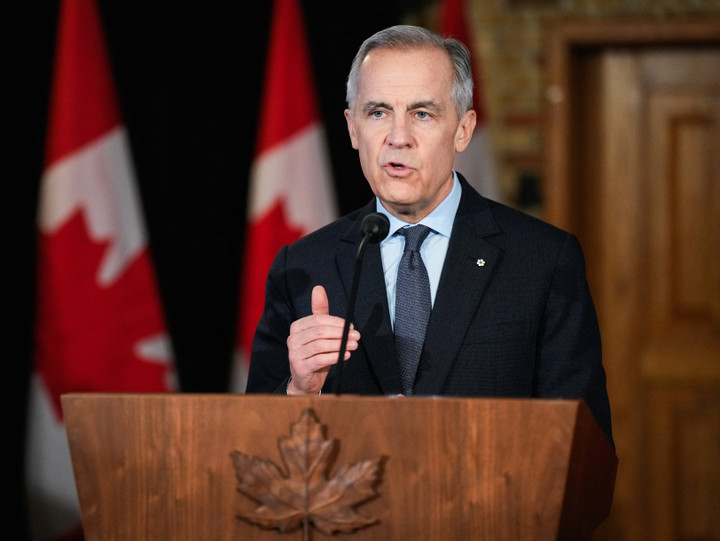
Analysts suggest that Carney’s decisive intervention has significantly accelerated a much larger structural shift that was already quietly underway behind closed doors. The strategic alignment between European capitals and Ottawa is intensifying rapidly, while long-term confidence in America’s leadership inside the transatlantic alliance continues to erode.
The sudden recalibration spans across critical sectors, including continental defense manufacturing, Arctic security operations, energy cooperation, and critical mineral supply chains. Ottawa is increasingly positioned as a pivotal global player mediating between Washington and Brussels, rather than serving merely as a compliant junior partner to its southern neighbor.
Behind closed doors, American defense officials are reportedly expressing deep concern that the balance of power inside NATO is being rewritten in real time. The administration’s aggressive approach may have inadvertently pushed Canada and Europe into a new strategic axis that operates entirely beyond traditional American diplomatic control.
The internal drama at the recent NATO summit highlighted the growing frustration among European allies with Washington’s unpredictable, transactional approach to mutual security guarantees. When American diplomats attempted to exclude Canadian representatives from a key defense planning committee, European representatives unexpectedly pushed back with unified diplomatic resistance.
Carney’s strategic call to Brussels reportedly bypassed traditional diplomatic channels, appealing directly to European leaders who feel similarly alienated by recent American economic policies. He successfully argued that Canada’s vast natural resources and strategic Arctic positioning are indispensable to Europe’s long-term autonomy from aggressive global competitors.
European officials, particularly in Paris and Berlin, responded enthusiastically to the prospect of a more independent, resource-rich partner across the Atlantic. For a continent currently wrestling with energy insecurity and supply chain vulnerabilities, Canada represents a stable, democratic alternative capable of securing vital industrial supply networks.
The resulting diplomatic maneuver effectively neutralized the American attempt at isolation, presenting a unified Canadian-European front during the final plenary sessions. This unprecedented level of coordination left American negotiators visibly surprised and struggling to regain control over the summit’s final policy declarations and communiqués.
The economic implications of this new geopolitical axis are already beginning to manifest across the global defense procurement sector. European defense consortiums are reportedly exploring massive, joint manufacturing ventures with Canadian firms, specifically focusing on advanced naval architecture and next-generation Arctic surveillance technologies.
This collaborative push directly threatens American defense contractors, who have historically enjoyed a virtual monopoly over Canadian military modernization contracts. By diversifying its strategic partnerships, Ottawa is effectively reducing its structural dependence on American technology while boosting its own domestic industrial defense capabilities.
Furthermore, the scramble for critical minerals has added a layer of economic urgency to the burgeoning Canadian-European alliance. Canada possesses some of the world’s largest unexploited reserves of lithium, cobalt, and nickel, which are absolutely essential for Europe’s ambitious green transition and high-tech manufacturing sectors.
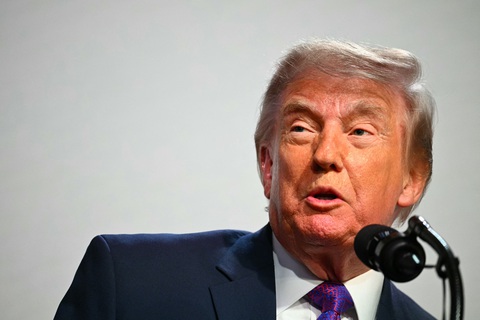
Previously, Washington assumed it would maintain primary access to these northern resources through existing continental trade agreements and security frameworks. However, the recent diplomatic friction has prompted Ottawa to actively prioritize European investment bids, creating a direct supply corridor that circumvents American market control entirely.
Arctic security has emerged as another critical arena where the American-Canadian rift is actively reshaping international defense calculations. As climate change opens new shipping lanes in the far north, Canada’s sovereignty over the Northwest Passage has become a subject of intense global strategic competition.
While Washington has historically challenged Ottawa’s legal claims to the passage, European capitals are now signaling a willingness to recognize Canadian jurisdiction. In exchange, European maritime fleets expect to receive preferential transit rights and enhanced security cooperation from the Canadian Coast Guard and naval forces.
This burgeoning maritime alignment effectively isolates the United States in the Arctic council, forcing Washington to reconsider its aggressive posture toward its northern neighbor. The strategic reality is that America cannot effectively secure its northern flank without the active, enthusiastic cooperation of the Canadian military infrastructure.
Diplomatic observers note that Mark Carney’s unique background in international finance and global governance makes him a uniquely formidable architect for this new alignment. Having served as the governor of both the Bank of Canada and the Bank of England, Carney commands immense respect across European financial capitals.
His ability to seamlessly translate security concerns into tangible economic and financial partnerships has given the Canadian-European axis a pragmatic foundation that traditional diplomacy often lacks. His actions have positioned him as a key figure capable of navigating the complex realities of a post-American West.
In Washington, the political fallout from the botched NATO maneuver has triggered a fierce internal debate among foreign policy elites. Critics of the administration argue that alienation of America’s closest historic ally represents a catastrophic strategic error that weakens the nation’s global position.
Congressional committees are quietly demanding briefings on the status of transatlantic relations, expressing concern that American unilateralism is producing diminished returns. The spectacle of Canada successfully rallying European support against American policy has shattered the illusion of unquestioned Washington hegemony within the Western alliance.
Meanwhile, the Canadian public has rallied behind the government’s firm stance, viewing the American diplomatic slights as an affront to national sovereignty. The political consensus in Ottawa has shifted decisively toward diversification, with all major parties supporting deeper strategic and economic integration with the European Union.
This domestic solidarity allows Canadian diplomats to negotiate from a position of strength, confident that their retaliatory policies enjoy broad public backing. The traditional political fear of angering the United States has been replaced by a widespread desire to assert Canada’s independent global identity.
In Brussels, the alliance with Canada is viewed as a vital component of Europe’s broader quest for strategic autonomy. European leaders increasingly realize that they can no longer rely blindly on the American security umbrella, given the volatile shifts in Washington’s domestic political landscape.
By forging tighter bonds with Canada, Europe secures a reliable democratic ally that possesses the raw materials and geopolitical weight necessary to balance competing global empires. The partnership transforms both actors from dependent subordinates into self-reliant managers of a new, multipolar Western security framework.

As the dust settles from the recent NATO summit, the long-term structural changes to the alliance are becoming permanent. Joint Canadian-European military exercises are already being planned for the upcoming year, signaling a clear departure from traditional, American-led command structures in the North Atlantic.
The corporate sector is also adjusting rapidly to the new geopolitical reality, with European capital flowing into Canadian infrastructure projects at unprecedented rates. Major infrastructure funds are targeting Canadian ports, rail networks, and energy terminals designed to facilitate direct trade between the two continents.
This financial integration makes the political axis highly resilient to future American pressure, as deep economic ties entrench the alliance beyond mere diplomatic rhetoric. The new transatlantic corridor is rapidly becoming a permanent fixture of the global economy, altering trade flows for decades to come.
The ultimate irony of the administration’s aggressive strategy is that it achieved the exact opposite of its intended goal. Rather than forcing Canada into submission, the attempt at diplomatic isolation has liberated Ottawa, allowing it to claim its rightful place as a vital global power broker.
The Western alliance is not dissolving, but it is certainly being profoundly reconfigured under the pressure of shifting global realities. The single phone call that shook Europe’s power balance may well be remembered as the moment the American century officially gave way to a more complex, multipolar world.






