For years, Wall Street benefited from a powerful engine few people truly paid attention to: millions of Chinese investors pouring money into U.S. markets through offshore brokerage platforms.
Now, that engine is being quietly dismantled.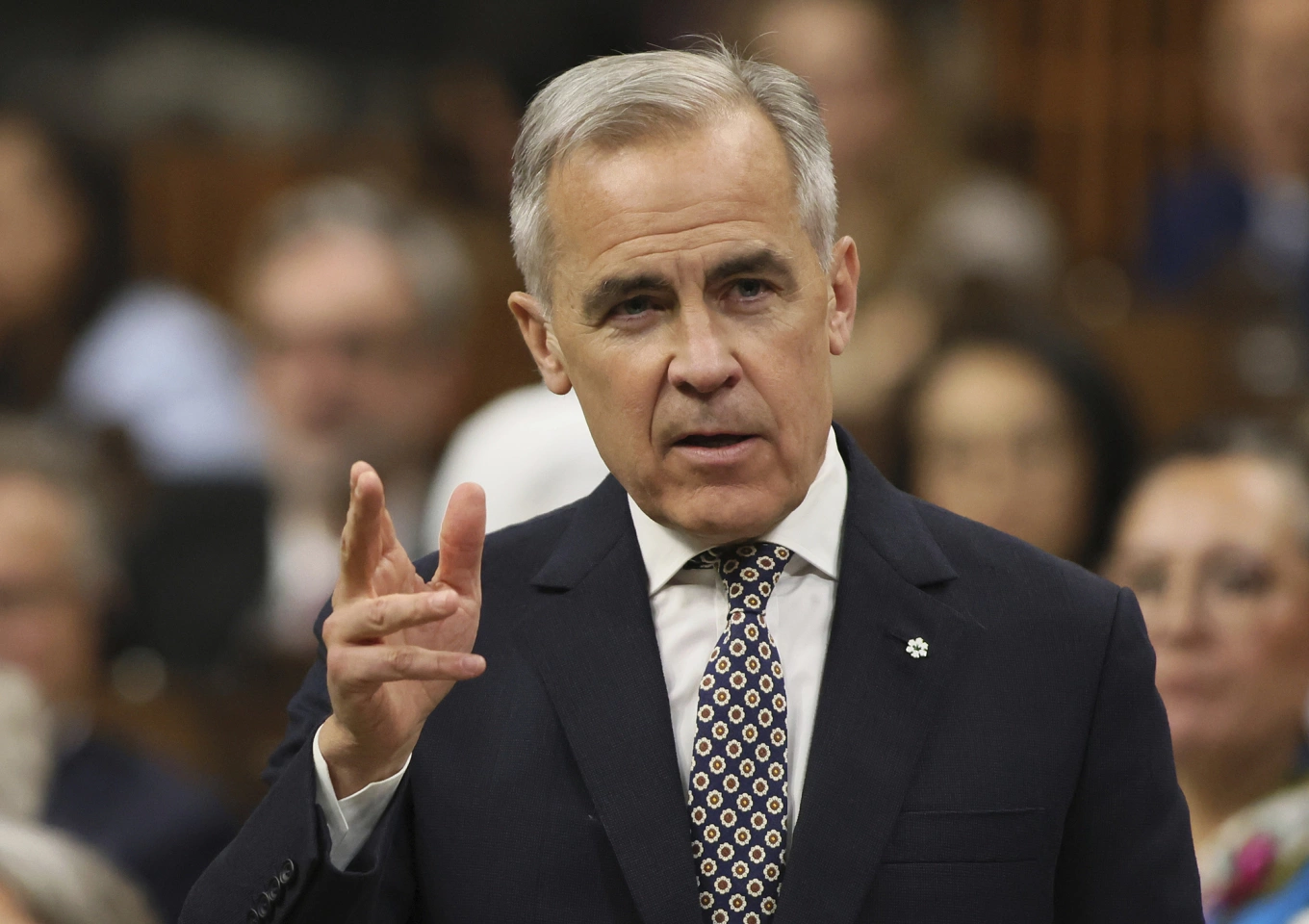
And according to many analysts watching the global financial system, the consequences may reach far beyond China.
In a move that shocked international investors, China’s Securities Regulatory Commission — alongside seven additional government agencies — ordered major brokerage firms including Futu Holdings and Tiger Brokers to halt mainland Chinese operations tied to overseas stock trading.
At first glance, the announcement sounded technical. Regulatory. Administrative.
But behind the bureaucratic language was a message impossible to ignore:
China wants Chinese capital back home.
The new rules effectively shut the door on mainland investors seeking easy access to U.S. equities through these platforms. No new overseas accounts. No new capital inflows. No fresh deposits into foreign stock trading channels.
Existing investors are still allowed to sell.
But buying?
That era appears to be ending.
Financial commentators quickly noticed something unusual about the timing.
Because almost simultaneously, Canada signed a major currency cooperation agreement with China under the leadership of Prime Minister Mark Carney — a deal allowing expanded direct yuan–Canadian dollar transactions without routing through the U.S. dollar.
To some observers, these developments looked unrelated.
To others, they looked like pieces of the same global transformation.
One system slowly closing.
Another quietly being built.
For decades, the U.S. dollar has dominated global trade, investment, and international finance. Countries bought oil in dollars. Corporations borrowed in dollars. Investors relied on dollar-based markets for growth and security.
But in recent years, cracks have begun to emerge.
Sanctions. Trade wars. geopolitical fragmentation. Rising debt. Political instability. Expanding competition between economic blocs.
Many governments are no longer asking whether diversification is necessary.
They are asking how quickly it can happen.
China’s latest financial restrictions appear to fit directly into that strategy.
Rather than allowing enormous amounts of household wealth to flow into American technology companies and U.S. financial assets, Beijing now seems focused on redirecting investment inward — toward domestic innovation, Chinese capital markets, and long-term national financial control.
And the scale is staggering.
Platforms like Futu and Tiger Brokers reportedly connected millions of mainland investors to foreign markets. Combined, they represented enormous streams of outbound capital that Beijing increasingly viewed as strategically undesirable.
This was not a dramatic “ban” announced with patriotic slogans or televised speeches.
That is precisely what made it powerful.
No public confrontation.
No direct attack on the United States.
Just a slow redirection of money.
And in global finance, capital movement often matters more than political rhetoric.
At the same time, Canada’s growing financial cooperation with China has raised eyebrows across both Washington and international banking circles.
Mark Carney — long viewed as one of the world’s most influential central banking figures — has consistently advocated for a more diversified and resilient global economic framework.
Critics accuse him of helping weaken U.S.-centered financial dominance.
Supporters argue he is simply preparing Canada for a multipolar world that is already emerging.
The yuan–Canadian dollar arrangement may sound technical to ordinary citizens, but economists understand its broader significance immediately.
Every direct bilateral currency agreement reduces reliance on the U.S. dollar as the middle layer of international transactions.
One agreement alone changes little.
But many agreements together?
That changes everything.
China has spent years building alternative financial infrastructure: cross-border payment systems, digital currency development, energy trade agreements settled outside the dollar, and partnerships with countries seeking greater monetary independence.
Now, some experts believe the latest investor restrictions are another piece of that long-term strategy.
Keep Chinese capital inside China.
Expand yuan-based trade abroad.
Reduce vulnerability to external financial pressure.
Strengthen regional financial alliances.
And slowly decrease dependence on U.S. markets.
None of this happens overnight.
But global financial systems rarely collapse suddenly.
They evolve gradually — until one day the world realizes the balance has already shifted.
That possibility is what has some Western analysts deeply concerned.
Because while political headlines remain focused on elections, culture wars, and daily controversies, major structural financial realignments may already be underway beneath the surface.
And unlike military confrontations, these changes often happen quietly.
No explosions.
No televised speeches.
Just policy adjustments, banking agreements, capital controls, and shifting investment flows.
The average citizen may barely notice them at first.
But eventually, everyone feels the effects.
Currency influence affects inflation.
Trade settlement systems affect supply chains.
Capital flows affect housing markets, pensions, investment returns, and government borrowing costs.
In other words, these decisions made behind closed financial doors can ultimately reshape everyday life.
Some economists warn that China’s restrictions could hurt investor confidence and limit international financial openness.
Others argue Beijing no longer sees unrestricted globalization as beneficial in an era of growing geopolitical competition.
Instead, China appears increasingly focused on economic sovereignty and strategic insulation.
Canada’s position in all of this remains especially fascinating.
For decades, Canada operated comfortably within the broader American financial orbit.
But Mark Carney’s approach suggests Ottawa may be trying to position itself differently: maintaining Western alliances while also integrating into emerging alternative financial networks.
That balancing act carries both opportunity and risk.
If successful, Canada could benefit from expanded trade flexibility and deeper access to Asian markets.
If tensions between China and the United States escalate further, however, Canada may face increasing pressure from both sides.
Still, Carney’s supporters argue that the future global economy will not be dominated by a single power alone.
Instead, they envision a fragmented but interconnected system where nations diversify partnerships rather than relying exclusively on Washington.
And in that world, early positioning matters enormously.
Meanwhile, inside financial institutions across New York, London, Hong Kong, Singapore, and Toronto, executives are paying extremely close attention to what China is doing.
Because even though the headlines may appear technical, the underlying message is enormous:
The world’s second-largest economy is actively redesigning how capital moves.
And once financial systems begin shifting direction, reversing them becomes extraordinarily difficult.
The most striking part of this entire story may be how little public attention it has received.
No dramatic summit.
No emergency press conference.
No viral geopolitical showdown.
Just regulatory notices, banking agreements, and silent market adjustments.
But history shows that some of the biggest global transformations begin exactly this way — quietly, incrementally, and almost invisibly at first.
Until suddenly, they are impossible to ignore.
Whether this strategy ultimately succeeds remains uncertain.
The U.S. dollar still dominates global finance. Wall Street remains enormously powerful. American markets continue attracting international investment on a massive scale.
But the direction of movement matters.
And right now, many believe the direction is changing.
Not through war.
Not through speeches.
Through money itself.
And when capital begins moving differently, the world often changes with it.






