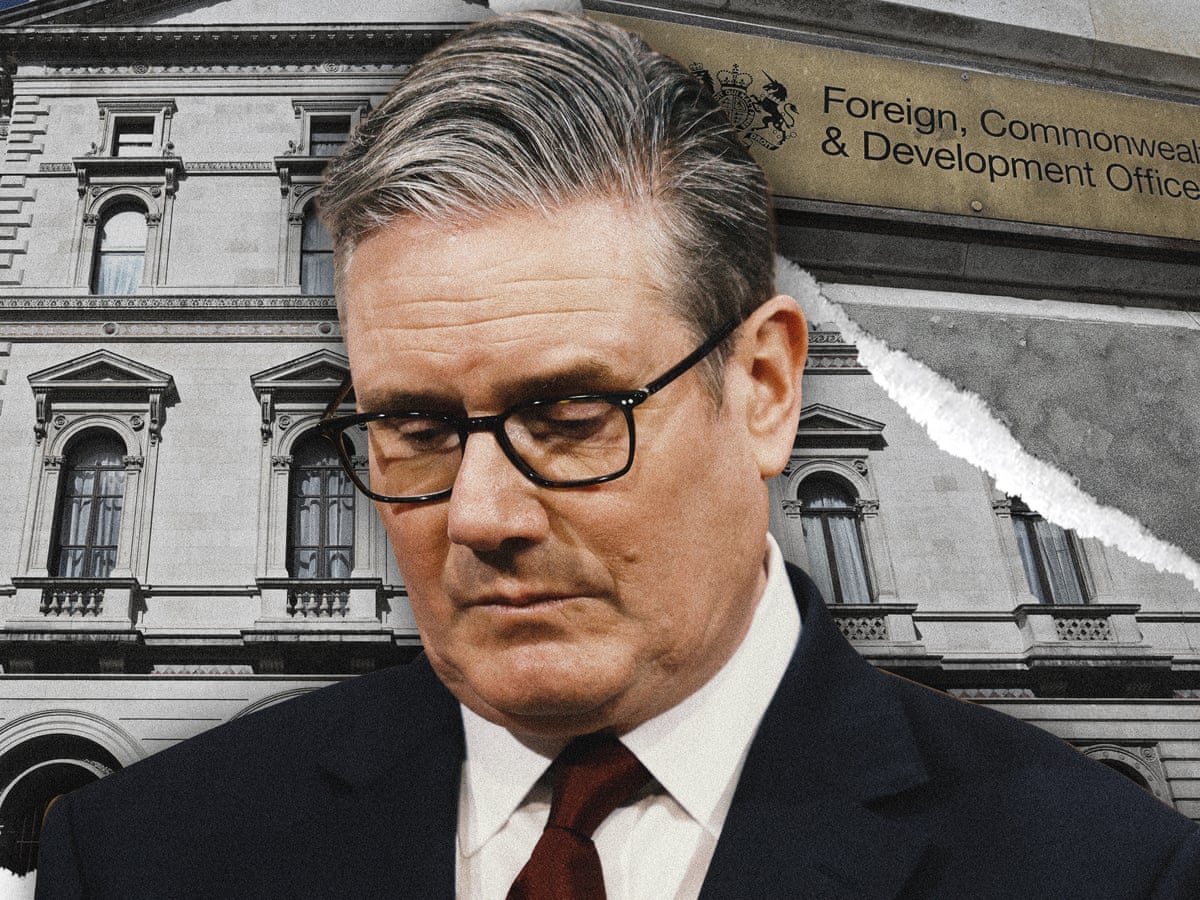
Political pressure is mounting on UK Prime Minister Keir Starmer as opposition parties begin to rally support for a potential vote of no confidence in the House of Commons. Downing Street is now facing a serious crisis stemming from the scandal involving former official Peter Mandelson and what critics describe as inconsistent explanations from the head of government.

Formation of an Opposition Alliance
Recent developments indicate that the Liberal Democrats have formally declared their willingness to cooperate with the Conservative Party to initiate proceedings to remove the Prime Minister. This move follows reports that Conservative leader Kemi Badenoch is considering submitting a motion of no confidence.
In addition, Nigel Farage of Reform UK and representatives from the Green Party have publicly called for Starmer’s resignation. Notably, discontent is not limited to opposition parties—frustration is also growing within the ruling Labour Party itself, with several MPs reportedly expressing deep dissatisfaction over the Prime Minister’s handling of the crisis.
Allegations of Misconduct and “Scapegoating”
In an interview, Liberal Democrat leader Ed Davey delivered sharp criticism of Starmer, accusing him of breaching key principles of governance. Under the Ministerial Code, Starmer should have promptly reported the issue to Parliament once he became aware of it.
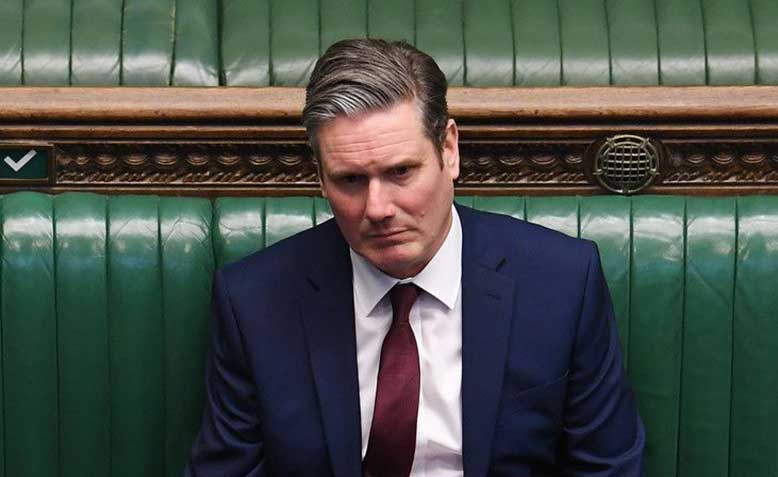
Davey dismissed Downing Street’s defense as “implausible,” arguing that it is hard to believe a senior official could have acted entirely independently on a matter of national security. He also criticized the Prime Minister for failing to review the situation for months after Mandelson stepped down.
Furthermore, Davey condemned the government for allegedly using senior civil servant Ollie Robbins as a “fall guy,” drawing comparisons to the earlier case involving Morgan McSweeney. He insisted that responsibility should lie with the Prime Minister, not his staff.
The Parliamentary Numbers Game
If a no-confidence motion is formally tabled, it would represent the most significant constitutional test of Starmer’s leadership. Under UK law, a Prime Minister can only govern with the support of a majority in the House of Commons. Failure in such a vote would force Starmer to resign or call an early general election.
However, the opposition faces a major hurdle: parliamentary arithmetic. The Labour Party currently holds a commanding majority, meaning that opposition parties alone do not have enough votes to remove the Prime Minister.
Ultimately, the outcome depends on Labour MPs themselves. Any successful challenge would require a large-scale internal rebellion within Starmer’s own party. With tensions rising and divisions deepening, the UK political landscape is likely to face further turbulence in the coming weeks.