In the high-stakes theater of modern geopolitics, some boundaries are understood to be absolute. Diplomatic protocol dictates that ambassadors serve as bridges between nations, carefully maintaining the delicate balance of mutual respect and national sovereignty. Yet, a political firestorm has erupted that shatters these long-standing norms, leaving citizens on both sides of the border wondering just how far an ally can push before the relationship completely fractures.
The controversy ignited when U.S. Ambassador Pete Hoekstra took to social media to amplify a highly provocative statement originally posted by President Donald Trump. The post boldly suggested that Canada should abandon its independent status and become the 51st state of the United States. For a nation fiercely proud of its distinct identity and autonomy, the endorsement of such a statement by Washington’s top diplomat in Ottawa was seen as nothing short of a direct affront to Canadian sovereignty.
Public reaction across Canada was swift, visceral, and unprecedented in its scale. Within a matter of days, an online petition demanding the immediate expulsion of Ambassador Hoekstra garnered more than 14,000 signatures from outraged citizens. Activists, commentators, and politicians from various factions united in their condemnation, arguing that allowing a foreign representative to openly musing about the annexation of their country was a dangerous capitulation that degraded the nation’s dignity on the world stage.
As the political pressure reached a boiling point, all eyes turned to Prime Minister Mark Carney. The public and the press expected a fierce rhetorical defense of the nation, or perhaps a formal diplomatic reprimand. Instead, when directly asked by reporters whether the government would take the historic step of removing the ambassador and declaring him persona non grata, Carney offered a stark, one-word response that stunned onlookers: “No.”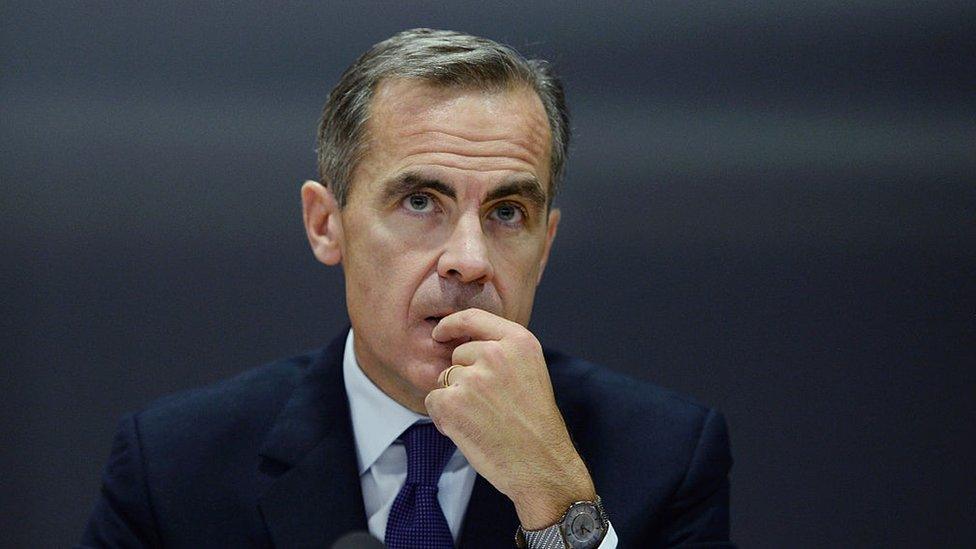
This blunt refusal to retaliate sent shockwaves through the political landscape, instantly shifting the debate from Hoekstra’s initial insult to Carney’s calculated restraint. To many ordinary citizens, the Prime Minister’s refusal to act felt like an unacceptable display of weakness—a submissive stance that rewarded disrespectful conduct without consequence. However, beneath the surface of this simple “No” lies a complex web of economic survival and strategic maneuvering that defines modern Canadian statecraft.
The true driver behind Carney’s cautious approach is an looming economic reality that dwarfs any social media controversy. Canada, the United States, and Mexico are currently preparing for a crucial, comprehensive review of the Canada-United States-Mexico Agreement (CUSMA). This massive trade pact governs billions of dollars in cross-border commerce daily, serving as the literal lifeblood of the Canadian economy and dictating the survival of key domestic industries.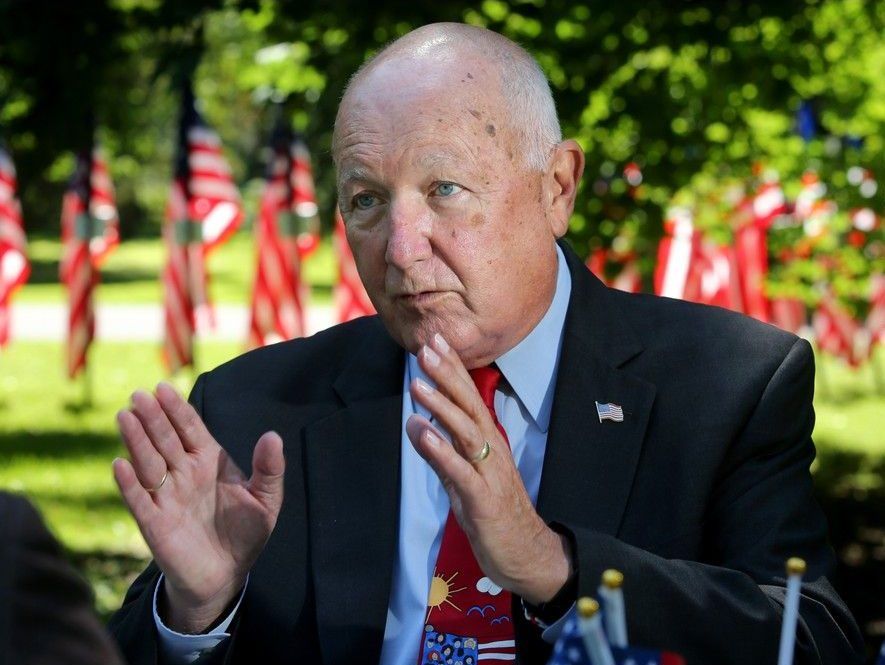
For Canada, the stakes of the upcoming CUSMA negotiations could not be higher. The country’s economic model relies heavily on seamless access to the massive American market, with integrated supply chains moving everything from automobiles to agricultural goods across the border. Any significant disruption to this relationship, such as the sudden imposition of sweeping tariffs or retaliatory border restrictions, could instantly trigger widespread job losses and economic stagnation.
In this volatile context, the decision to expel a sitting U.S. ambassador would be equivalent to dropping a diplomatic nuclear bomb right before entering the negotiation room. Diplomats and trade experts note that President Trump’s administration is highly sensitive to perceived snubs and swift to retaliate. Evicting Hoekstra would almost certainly guarantee a hostile American approach during the trade review, potentially jeopardizing Canada’s economic interests for years to come.
Therefore, Carney’s refusal to expel the ambassador is viewed by supporters of his administration as a masterclass in pragmatic, cold-eyed realism. From this perspective, the Prime Minister is deliberately choosing to swallow a bitter pill of public disrespect in order to protect the tangible financial well-being of millions of Canadians. In the realm of strategic diplomacy, maintaining a functional relationship with a volatile, vastly more powerful neighbor takes absolute priority over emotional retaliation.
Conversely, fierce critics of the administration argue that this approach sets a highly dangerous precedent for the future of Canadian foreign policy. They contend that by failing to draw a hard line against an explicit joke about annexation, the Canadian government is essentially signaling that its sovereignty is negotiable if the price is right. Opponents warn that showing fear of economic retaliation will only embolden Washington to push even harder during the actual trade talks.
Furthermore, political analysts suggest that Carney’s restraint carries immense domestic political risk. The image of a Canadian Prime Minister appearing to tolerate a direct insult from an American administration plays poorly with an electorate that values national independence. If the public perceives the government as overly timid, it could severely damage the ruling party’s standing and fuel nationalistic sentiments among voters who demand a leader willing to stand up to foreign pressure.
This tense standoff highlights the classic, eternal dilemma faced by middle-tier powers living next door to global superpowers. History has repeatedly shown that when a smaller nation is economically dependent on a giant neighbor, its leaders are frequently forced to choose between defending national pride and securing economic stability. Carney has made his choice clear, betting the house that economic preservation is the truest form of national defense.
As the countdown to the CUSMA review begins, the true value of Carney’s quiet restraint remains to be seen. The ultimate success or failure of this strategy will not be judged by the fiery debates currently dominating talk radio or internet petitions. Instead, it will be measured by the final text of the renegotiated trade agreement and whether Canadian businesses retain their vital, tariff-free access to the American market.
If the Carney administration manages to emerge from the upcoming negotiations with a highly favorable trade deal that safeguards the economy, his current restraint will likely be remembered as a brilliant, stoic piece of statecraft. Historians would view it as the moment a pragmatic leader successfully prioritized long-term national substance over short-term political theater, effectively outmaneuvering a chaotic diplomatic trap.
However, if the United States still imposes harsh terms, steep tariffs, or unfavorable concessions on Canada despite Ottawa’s polite restraint, the political fallout will be devastating. In that bleak scenario, Carney’s refusal to expel Hoekstra will be remembered as a massive missed opportunity to defend the nation’s honor—a moment where Canada displayed submissiveness and received absolutely nothing in return.
For now, the border remains quiet, but the underlying tension is palpable as both nations quietly prepare for the high-stakes talks ahead. Whether Canada’s calculated silence will ultimately secure a prosperous future or simply invite further disrespect is a burning question that only the fast-approaching trade negotiations will answer.